
Hoi Linh Pagoda (Hoi Linh Co Tu) is located on Cach Mang Thang 8 street (Binh Thuy ward, Can Tho city) facing the Hau River. This ancient pagoda has an area of 6,500 m2.
According to historical records, Hoi Linh Pagoda was founded in 1907. Initially, the pagoda was built simply with tree pillars, walls and a leaf roof. Gradually, through many renovations and restorations, it has a solid appearance.
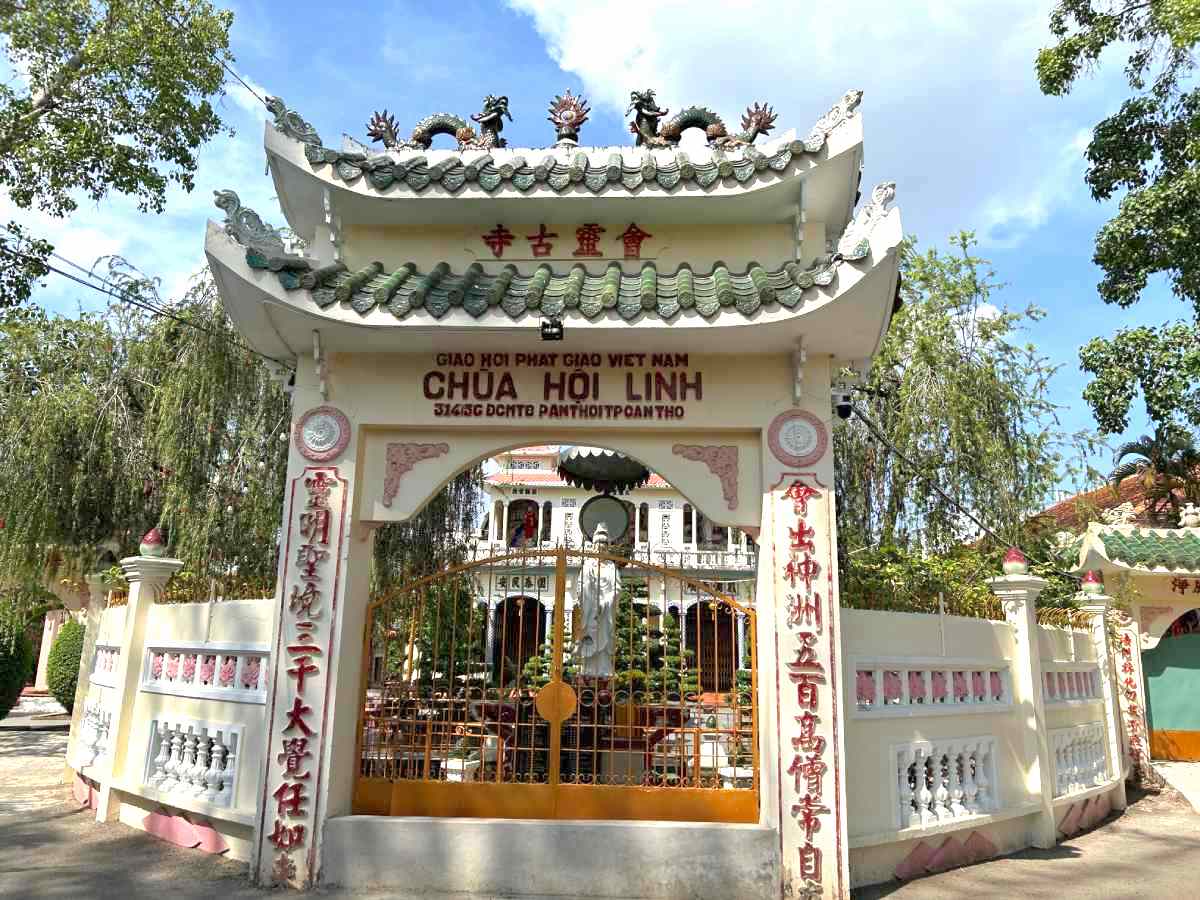
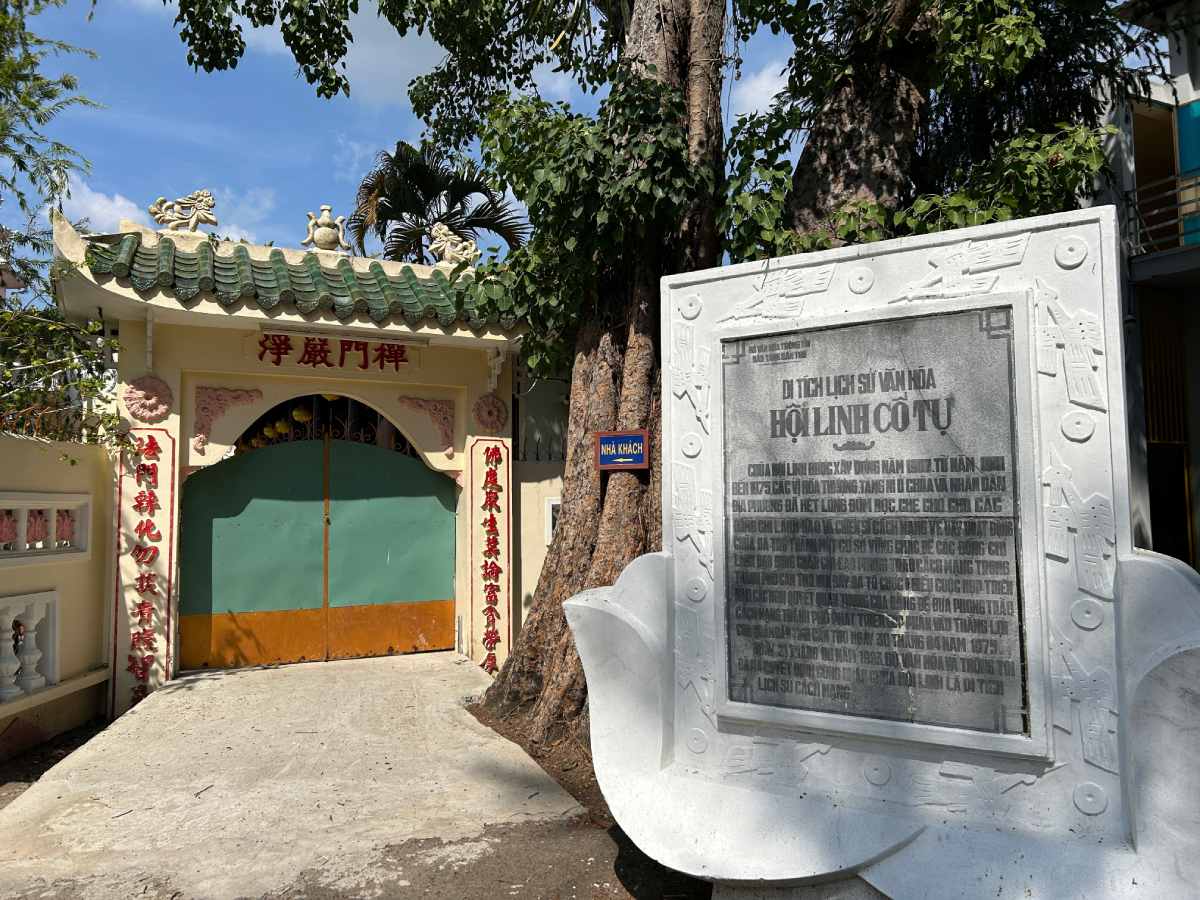
During the resistance wars, the pagoda was the venue for many meetings to implement important resolutions to promote the revolutionary movement, contributing to the victory of the army and people of Can Tho in liberating the South and unifying the country.
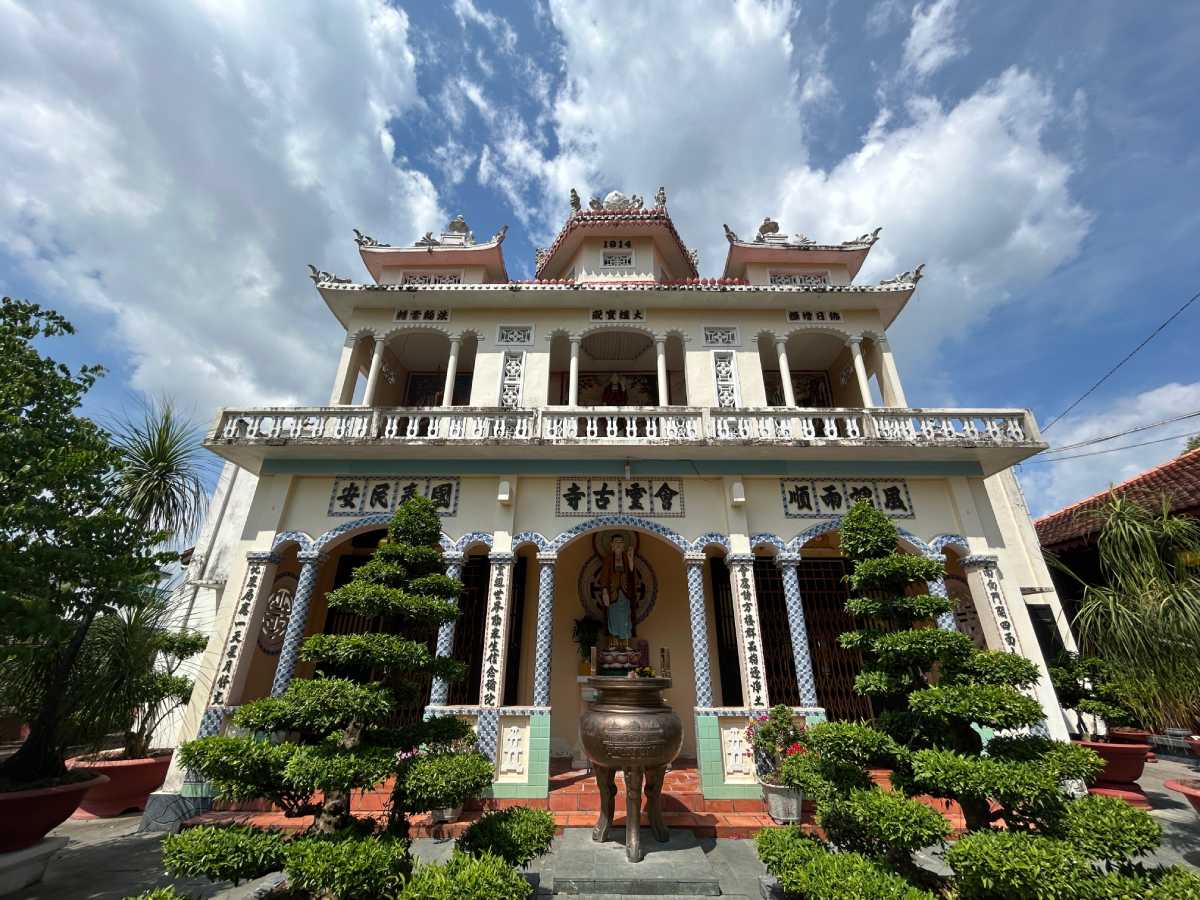
According to Mr. Bui Huu Thuan ( Dharma name Phuoc Trung) - a disciple of late Venerable Thich Chan Duc (one of the abbots of the pagoda), during the resistance war, the pagoda was once a place to shelter and hide revolutionary cadres.
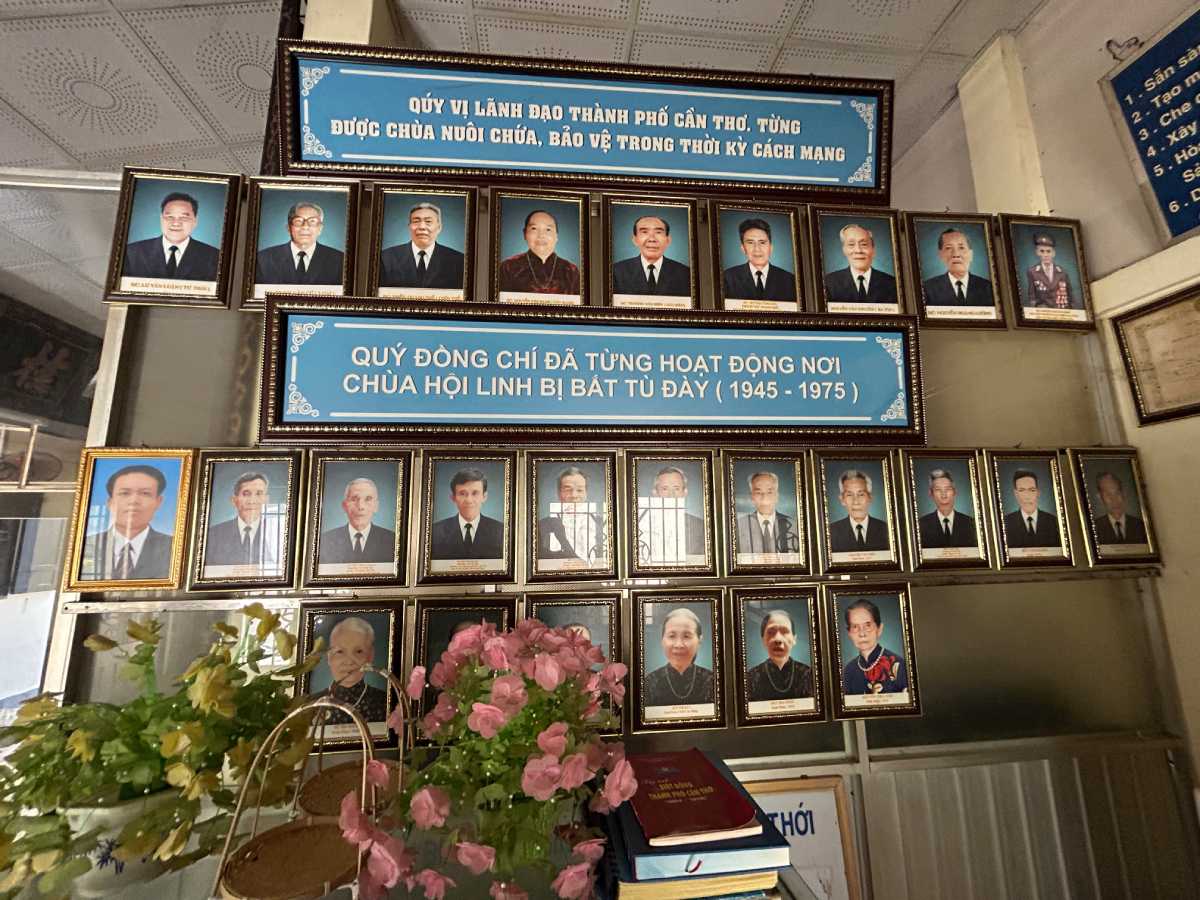
He said that the pagoda was once besieged by a platoon of soldiers but could not find any exhibits or revolutionary evidence.
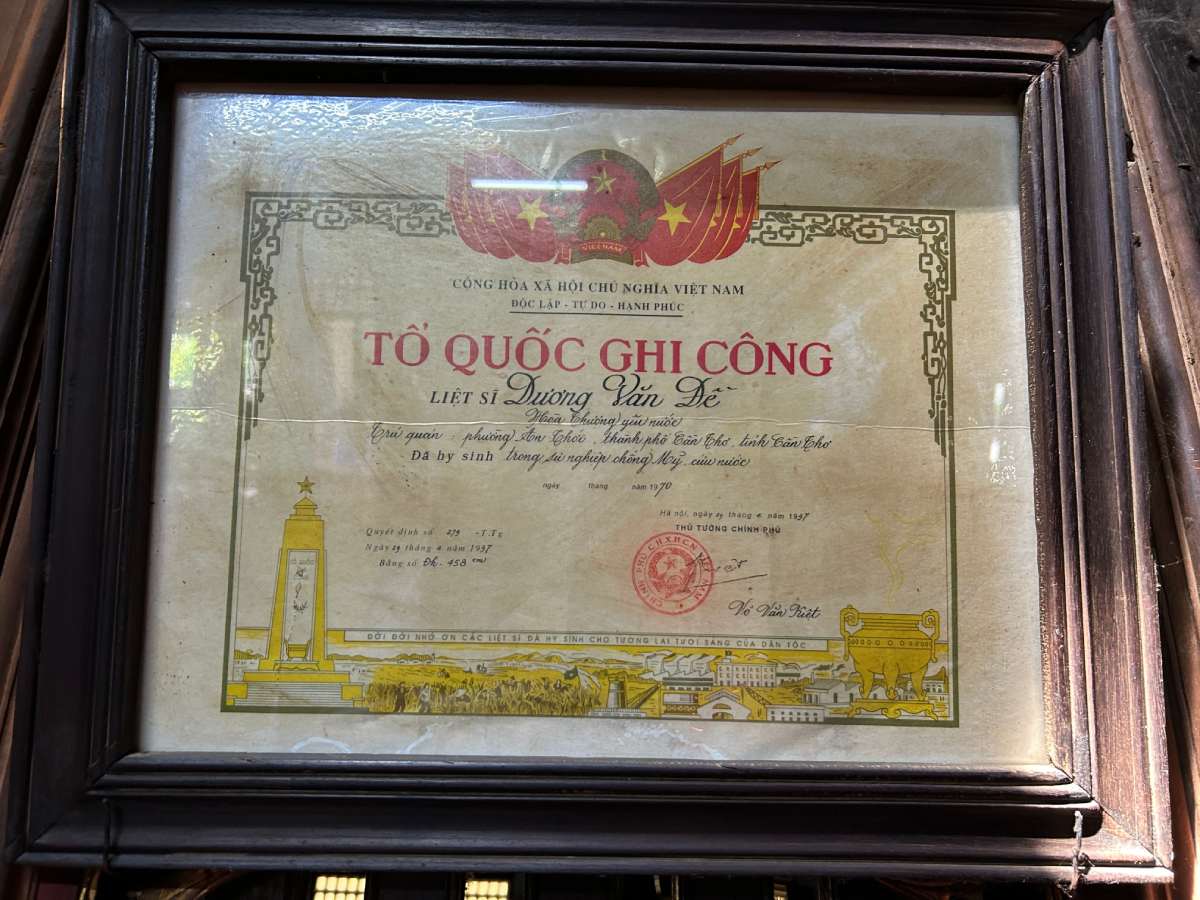
Martyr Duong Van De (aka Venerable Thich Phap Than) - abbot of Hoi Linh Pagoda from 1944 to 1970 decided to burn part of the main hall of the pagoda to protect cadres and protect revolutionary bases operating during the anti-American resistance war.
After that, Venerable Thich Phap Than and 6 monks and 6 Buddhists were arrested and detained for investigation at Phu Loi prison for 3 years. But despite the enemy using all tricks to lure, bribe, and even brutally torture them, Venerable Thich Phap Than and the monks and Buddhists all maintained their integrity and loyalty to the revolution.
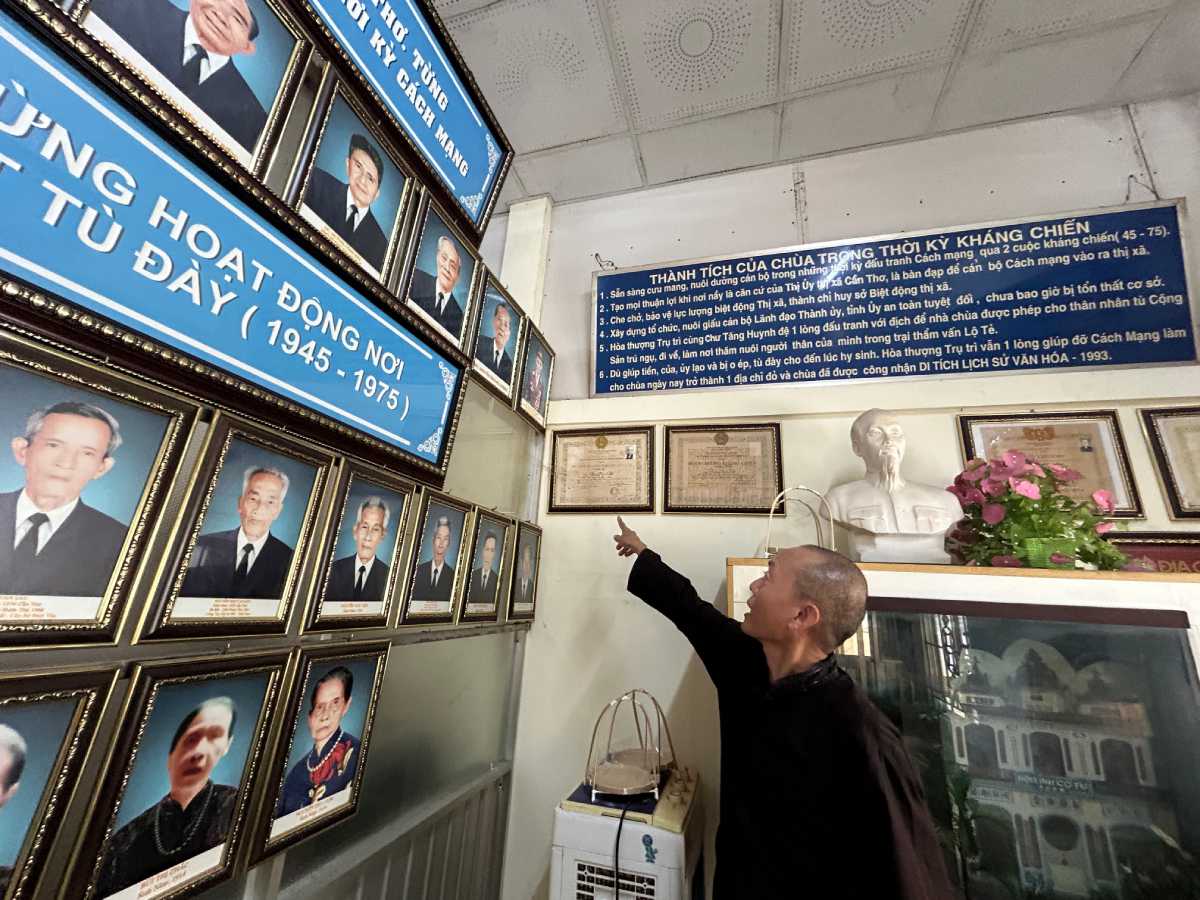
The enemy at that time suspected that revolutionary cadres were hiding in the pagoda. They came to arrest all those present in the pagoda to interrogate them. But no one confessed in the pagoda, so they detained them for a while and then released them" - Mr. Thuan recounted.
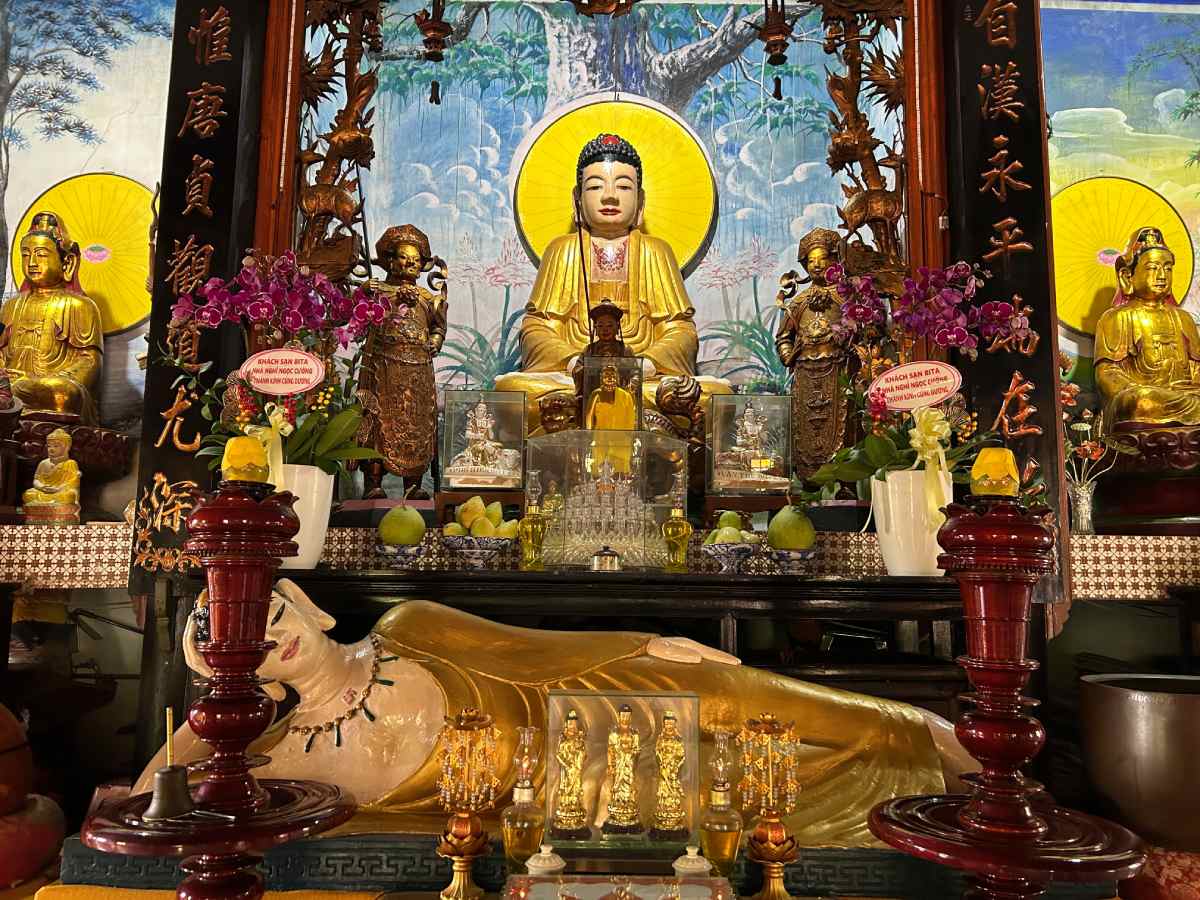
In 1993, Hoi Linh Pagoda was recognized by the Ministry of Culture and Information (now the Ministry of Culture, Sports and Tourism) as a National historical and cultural relic.
In recent years, especially during every holiday and Tet, many people and Buddhists come to Hoi Linh Pagoda to study and worship; including many Party members and veteran revolutionaries.


