
National spirit in young people
3 young people including Vu Trung Kien (33 years old), Dinh Van Binh (26 years old, from Quang Ninh) and Dang Van Cuong (26 years old, from Bac Ninh) started the trip on April 27. Without elaborate plans, without preparing many items, they only brought clothes, a national flag and two motorbikes for transportation.
Starting from Bac Ninh, the first stop is Cuc Phuong National Park. Here, they spend time exploring the primary forest ecosystem, admiring hundred-year-old ancient trees, prehistoric caves and the characteristic butterfly season here.
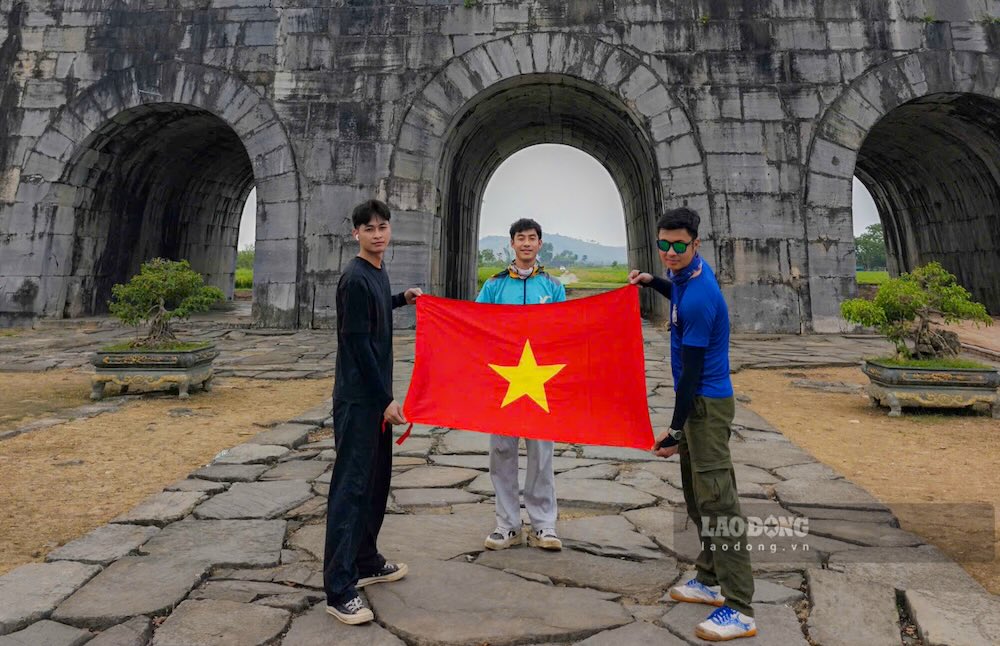
Leaving Ninh Binh, the journey continued to Thanh Hoa with the destination being Ho Citadel - World Cultural Heritage. The whole group visited the stone citadel gates, Nam Giao altar, moat and artifact display area, thereby learning more about a special period in Vietnamese feudal history.
On the same day, they visited the Lam Kinh Relic Site, a place associated with Le Loi's Lam Son uprising. The journey in the day closed with historical stories "touched" on the spot, instead of just reading through books.
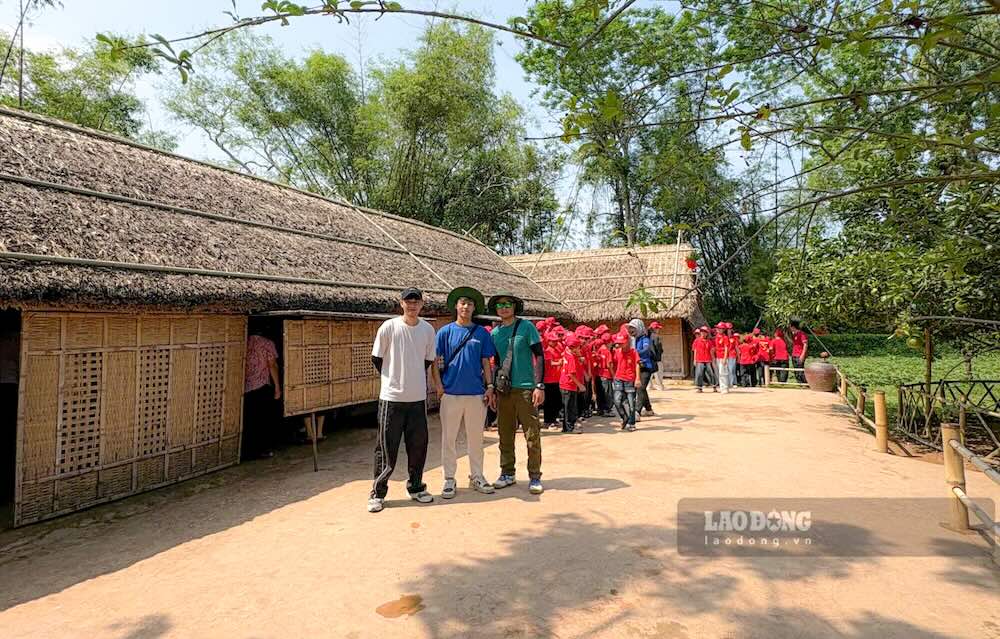
On April 28, the group continued to move to Nghe An, stopping at Kim Lien Relic Site, the hometown of President Ho Chi Minh. Here, they visited the Lang Sen relic complex (Uncle Ho's paternal homeland), the Hoang Tru relic complex (Uncle Ho's maternal homeland), quietly standing in front of the simple thatched roof house, the place that preserves Uncle Ho's childhood memories.
During the holiday, there are many people, but when entering the relic site, the atmosphere is very special. We feel touched when we see Uncle Ho's birthplace with our own eyes" - friend Dang Van Cuong shared.
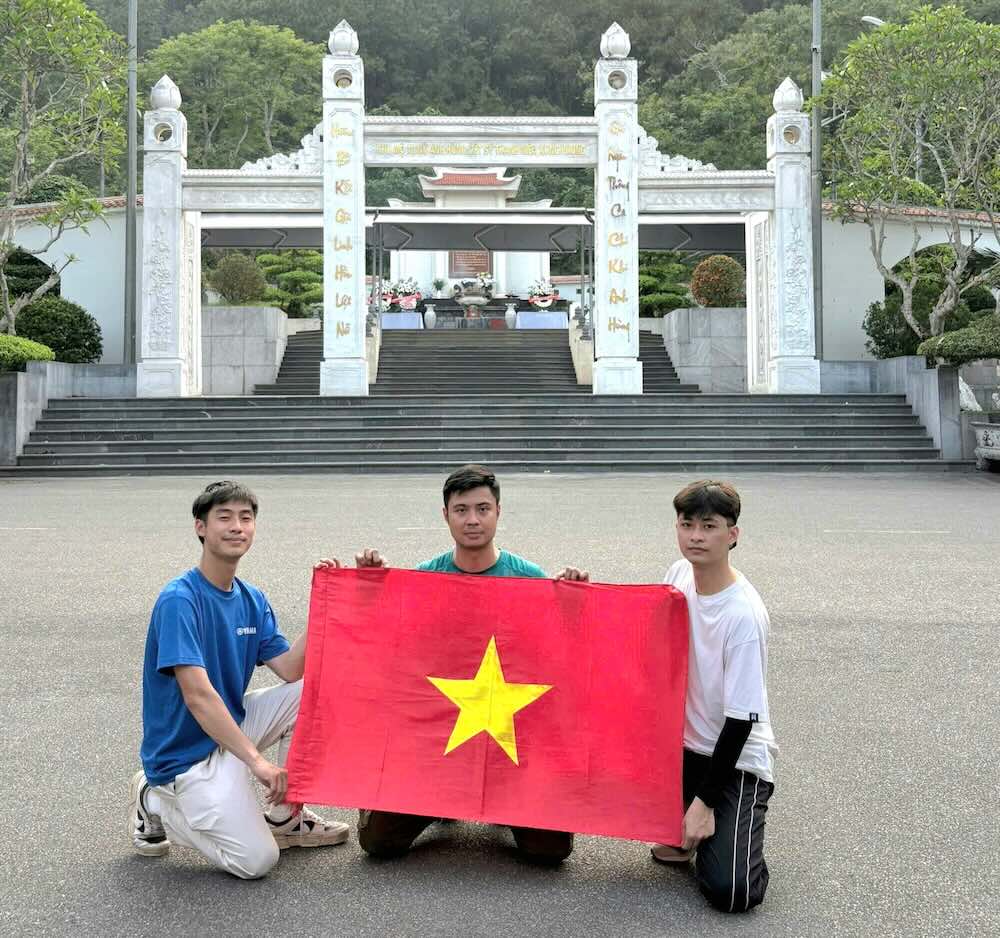
Leaving Nghe An, the group continued to Nga ba Dong Loc to offer incense and commemorate 10 female youth volunteers who sacrificed in the resistance war. The second day of the journey ended in a quiet atmosphere when it was already dark.
Touching the memory of war
On April 29, the group moved to the north of Quang Tri, to the tomb of General Vo Nguyen Giap to offer incense and commemorate. After that, they continued their journey to the south of Quang Tri, a land considered the "fire coordinate" during the war.
At Vinh Moc Tunnels Historical Site, 3 young people for the first time directly stepped into the ground, where people used to live and fight in bombs and bullets. The cramped, dark and deep space made them feel more clearly about the harshness of war.
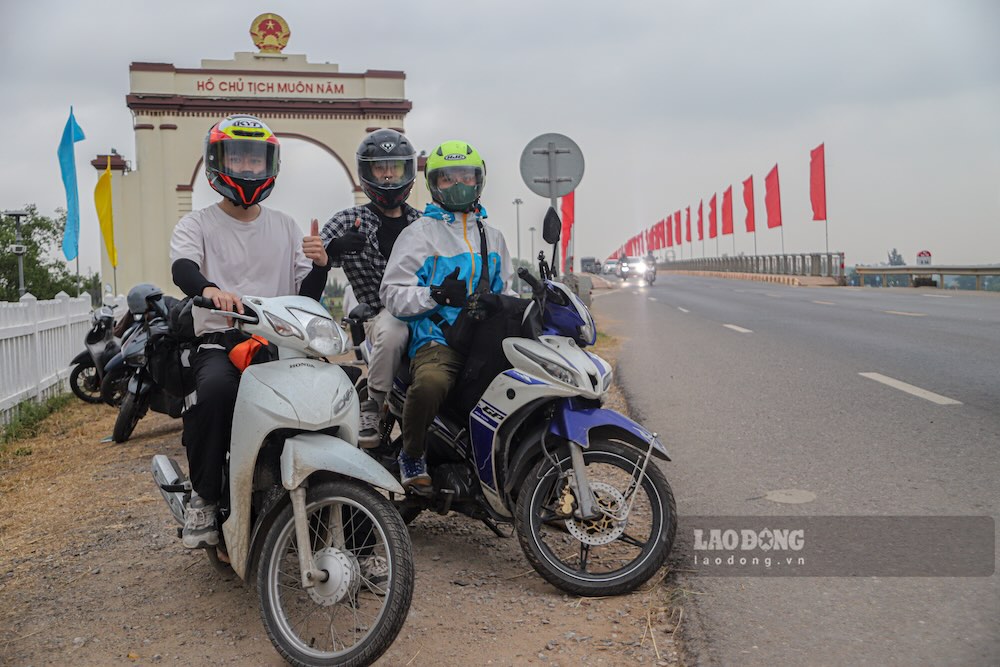
In the afternoon of the same day, they were present at the Hien Luong - Ben Hai Historical Relic, which used to be the dividing line between the South and the North for more than 20 years. "Only standing here can you feel the sacrifice and the joy of the reunion day. What is learned in books becomes very real" - said Dinh Van Binh.
On the evening of April 29, they moved to Quang Tri Ancient Citadel. On the morning of April 30, on the anniversary of the reunification day, the group spent time visiting the relic site, where the 81-day and night fierce battle took place.
For Binh, this trip also has profound personal meaning. Binh's grandfather used to fight here. "Coming to the place where he used to fight, I see more clearly the loss and sacrifice. I feel very proud" - Binh shared.
After Quang Tri, the journey continued to Hue with the destination being Hue Citadel and Truong Tien Bridge. After visiting Hue for a while, the group returned to Quang Tri on May 1st to continue the journey.
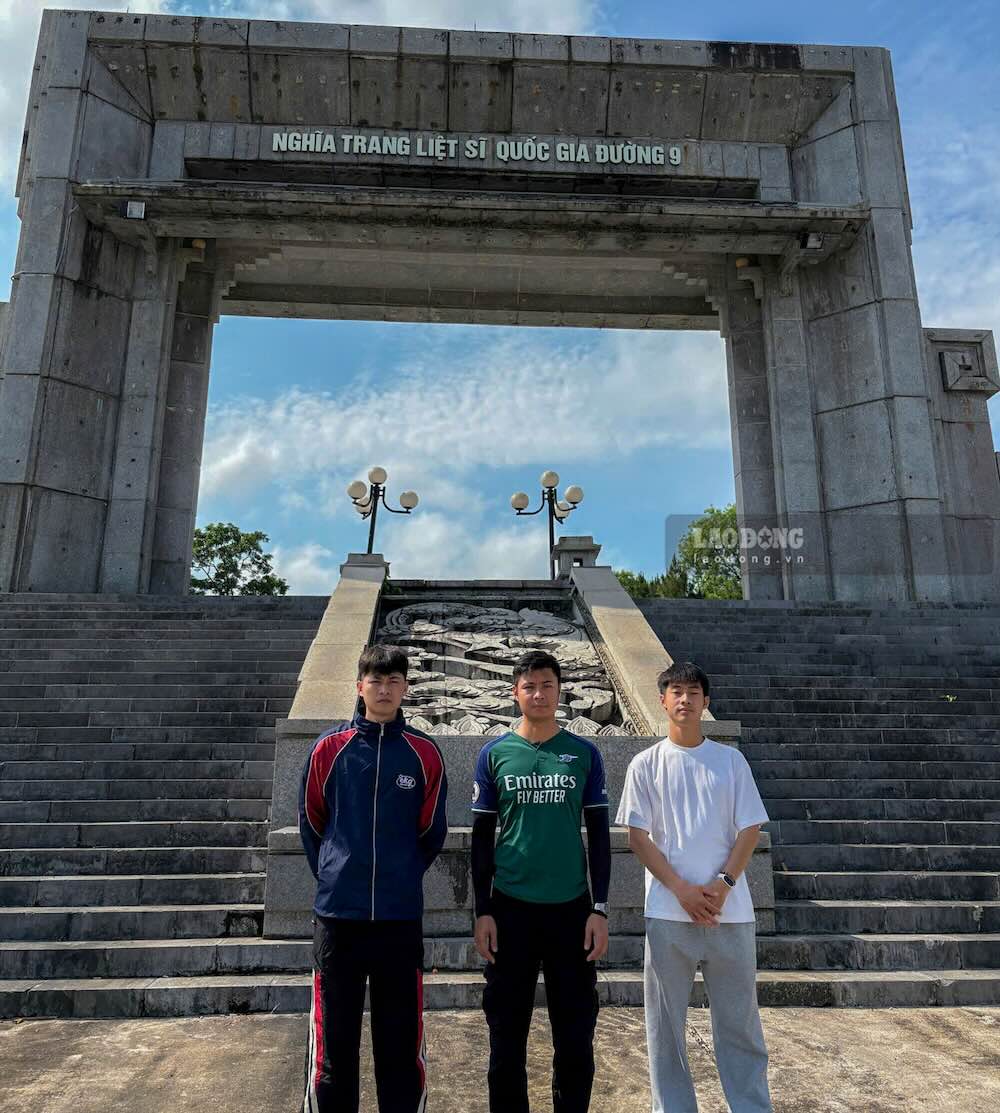
They successively went to the National Martyrs' Cemetery of Road 9 and Ta Con Airport, a military base that used to play a strategic role in the war. On May 2nd, the journey closed at Truong Son National Martyrs' Cemetery, the resting place of tens of thousands of martyrs.
With a total distance of about 1,500km, the trip of the three young people is not a normal journey. The noteworthy point lies in the way they choose destinations, most of which are historical sites, places associated with important periods of the country.
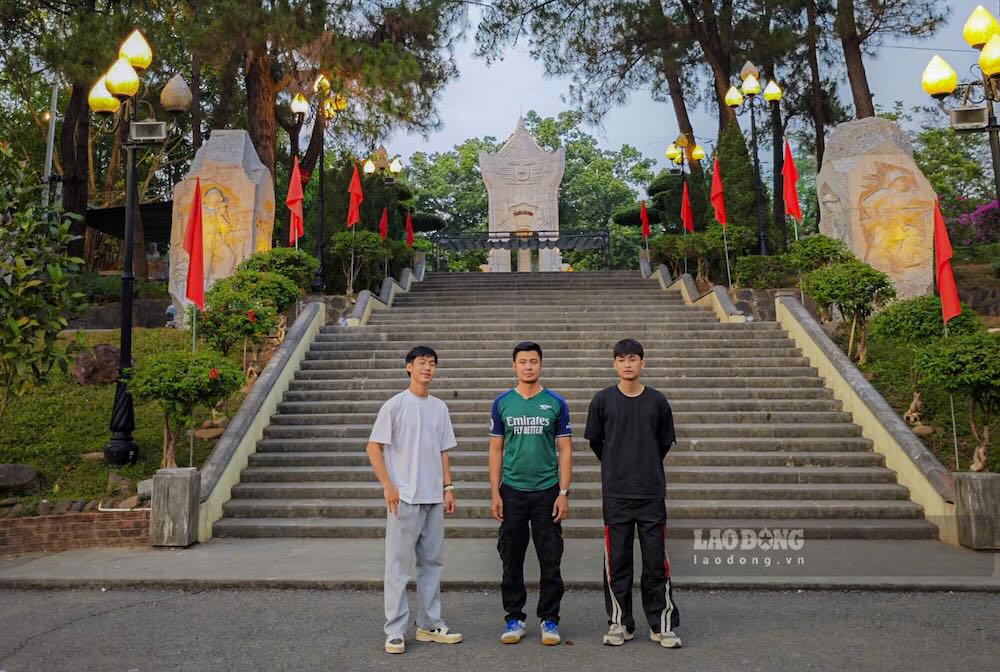
Without big slogans, without grand ostentation, they approach history through direct experience, going, looking, listening and feeling. This creates a different perspective on how young people can understand and connect with the past.
Every place we go through has its own story. When we go there ourselves, everything becomes clearer and more emotional than just reading or watching online. And this trip, we bring with us love for the country, national pride. We want to spread this work to many young people" - Vu Trung Kien shared.


