
At a recent discussion session in the National Assembly hall, delegate Le Hoang Anh (Gia Lai) proposed to collect progressive fees for the second house that is not used or rented out to prevent real estate speculation.
According to Mr. Hoang Anh, the second or more houses and land that are not put into use or leased should be subject to appropriate progressive fees. Land at projects that are delayed in implementation for more than 24 months must also be subject to gradually increasing fees over time. After that, the collected money can be put into the social housing fund, rebuilding old apartment buildings and essential urban infrastructure.
In fact, in the past, the taxation of real estate according to ownership time or for second houses and above has been proposed by experts and National Assembly deputies to cool down the market and limit speculation.
Commenting on this issue, Mr. Tran Xuan Luong - PhD in Real Estate - National Economics University said that he agrees with the policy of researching and taxing real estate that National Assembly deputies have mentioned in the past.
According to him, in many countries, taxation is an important tool to manage and regulate the real estate market. However, in Vietnam, this is only in the initial stages due to the lack of a complete and synchronous data system.
He believes that it is necessary to clarify the concept, avoiding the simple understanding of "taxing the second home". In fact, many countries apply tax methods based on the total value of assets or asset norms, instead of just calculating the number of houses. In some cases, a person only owns one real estate but the value is very large, far exceeding many other assets, then it is still necessary to consider taxing appropriately.
Besides, if mechanically applying tax on the second house, it will easily cause inadequacies. According to Mr. Luong, Vietnamese culture often has houses in the city and a house in the countryside for worship. If taxing these cases will be unreasonable. Similarly, real estate for the purpose of renting, creating jobs and paying taxes fully should be encouraged instead of restricted.
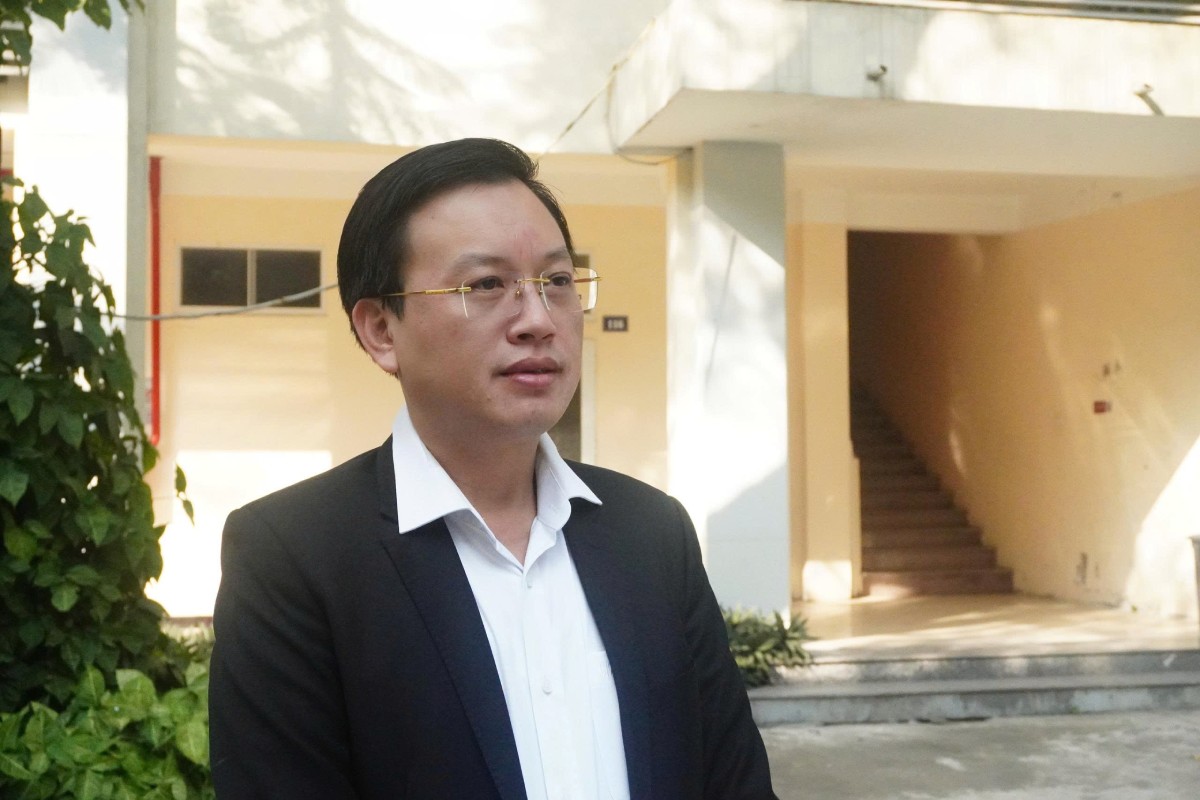
Dr. Tran Xuan Luong believes that tax should be focused on real estate with values exceeding norms or assets that are not put into use, do not create economic value, and do not contribute to society. This is a group that causes waste of resources and needs to be regulated by tax policies, with tax rates that may gradually increase over time of abandonment.
However, for effective implementation, according to Mr. Luong, it is necessary to clearly define the criteria for what is abandoned, unused real estate, ensuring transparency and feasibility. This requires a complete and synchronous data system. Currently, real estate data is still lacking and unconsistent between management levels, while people also have difficulty accessing information, even with real estate identification codes that have been implemented.
He emphasized that a synchronous investment process in technology infrastructure, data collection and digitization, as well as guiding people to look up information is needed. When there are standard data, the determination of subjects, areas, usage status and application of new tax policies is ensured to be accurate, avoiding targeting the wrong subjects that need to be encouraged, and not missing the subjects that need to be regulated.
Regarding the impact, Mr. Luong said that tax policies will directly affect the real estate market, similar to the interest rate factor. If implemented on a full database, taxation will reduce speculation demand, adjust cash flow and contribute to reallocating investment resources to other sectors, instead of focusing too much on real estate.


