
Taking the image of rice grains as a symbol, the program "Returning Day 2026 - Seeding Season" tells stories about Vietnamese people who go far but do not leave their roots - people who are silently sowing life, sowing knowledge, sowing technology and sowing Vietnamese identity on many continents.
The "seedling season" does not begin with a forest. It begins with a cry. In the operating room at a hospital in Cuanza Sul province, Angola, electricity may be flickering. Equipment may be missing. But time does not wait. Doctor Cao Van Vinh stands in front of a umbilical cord prolapse – just a few minutes of delay and life will slip out of his hands.
He has been here for more than 10 years, familiar with the journeys patients have to travel on 3-wheeled vehicles, familiar with cases of eclampsia, uterine rupture - rare things in his hometown but becoming permanent here. Some nights, he hears baby cries echoing from the intensive care room and becomes silent.
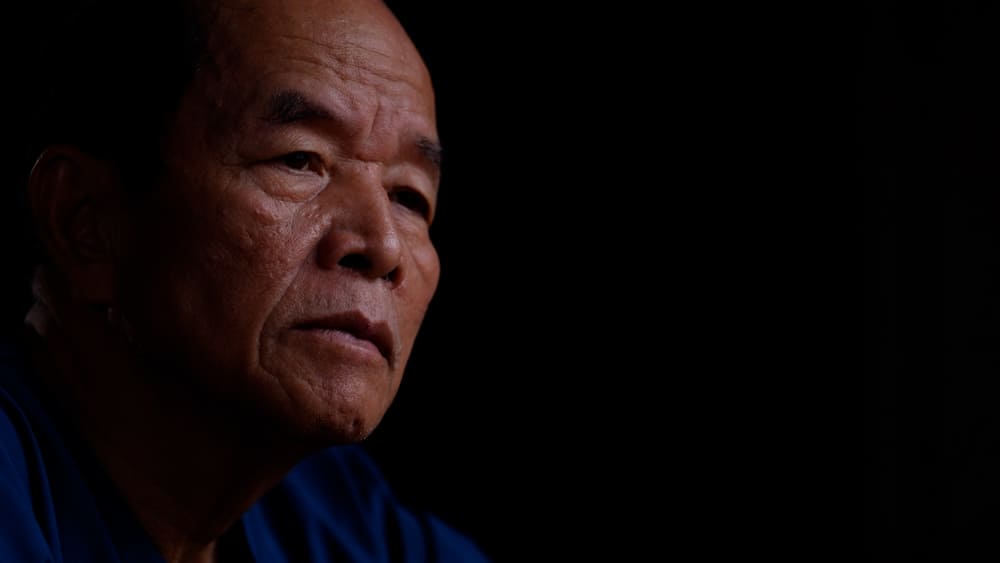
That cry, in the dry and windy land of Africa, was like a seed just sprouting from the barren soil. He once wanted to go home. Missing home. Missing his daughter. But then a patient looked at him and said: "Help me... I thought I would die". The doctor did not turn his back on a plea for help. And so he stayed.
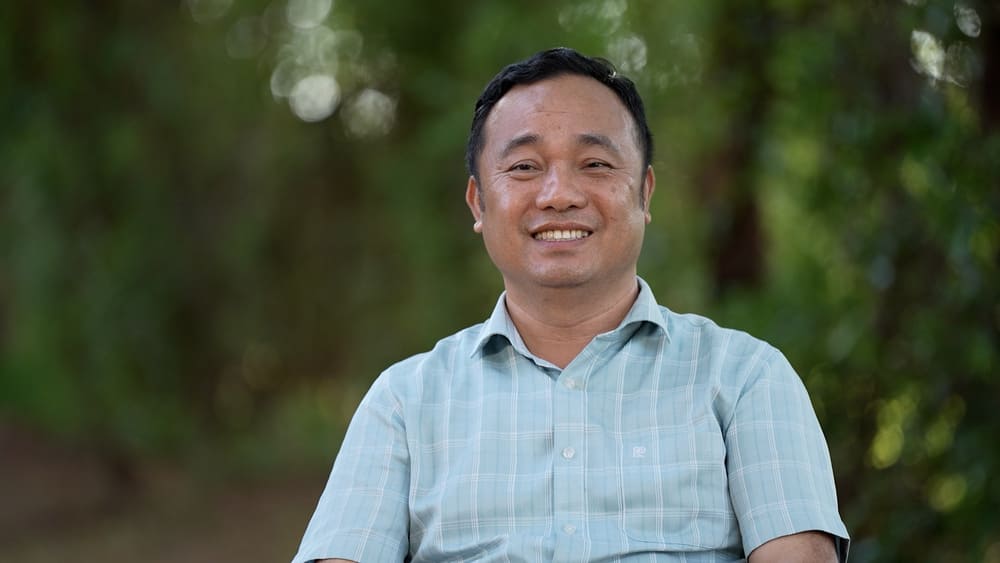
In another land of Africa, there is no cry of birth, but the silence of dry, cracked soil. Dr. Vu Van Thoai came to Kenya in the dry season. He saw children scooping shallow puddles of water from the riverbed. The land of Kibwazi was full of bushes and hot winds. He thought he would return empty-handed. Two seedlings failed. The soil did not retain moisture. Rare rain. But he did not give up. He led water from the distant river to the reservoir, covered the seeds with coconut fiber to retain moisture, and found the strongest sandalwood seeds.
Many years later, birds began to return. People had jobs. The land kept water. From a small sandalwood seed, a forest gradually formed. If in Angola it was keeping life in a fragile moment, then in Kenya it was sowing life for decades to come.
At Burgess Hill, 10-year-old Diana Ngoc Anh practices each Vietnamese accent, once plays Vi Giam. At school, she speaks English. At home, her parents teach her to remember that she is Vietnamese. One day, she stood in front of the class, wearing ao dai, explaining about lotus flowers... Folk songs of Nghe region - once resounded on the banks of Lam Giang - now resonate in the English schoolyard. That seed was sown from a family meal.
There are people who left Vietnam when they were too young – like Christina Bui, like Mark Hung, like journalist William Lee Adams. They once doubted their identity. Once asked themselves: "Do I have the right to call myself Vietnamese?". But then they realized: No one has the right to grant or deprive identity. Christina returned with technology conferences and business networks. Mark returned with photography and investment capital. William returned with films recounting Vietnamese stories to international audiences. They not only rediscovered their roots. They continued to sow.
If we put all those stories side by side, we will see one thing: A doctor who keeps crying in Angola. A forest scientist in Kenya. A cardiologist who sows seeds of knowledge in the US. A director who lights up the screen in London. A chef who brings sour soup to the Scottish castle. A little girl carrying a weaving bag to the world. Small seeds. Different lands. But the same root.
Seed Season" is not just a Tet television program. It is a message that wherever they are, Vietnamese people are still quietly sowing seeds of responsibility, knowledge and love for their homeland – so that one day, those seeds will grow into forests.
The program "Return Day 2026 - Seeding Season" will be broadcast on channels of Vietnam Television, from the 1st to the 6th day of Tet.


