
Not fully understanding music rights
When reporters asked questions such as: Has the shop ever paid copyright fees when using music? Do you know which unit you have to pay copyright fees to? What types of rights are related to a song played in the shop? Many people admit that they have never carefully studied the regulations on copyright and related rights when using music in business.
In addition, many facility owners expressed their desire for management agencies and copyright collection units to have clearer and more transparent instructions to avoid misunderstandings or risks arising.
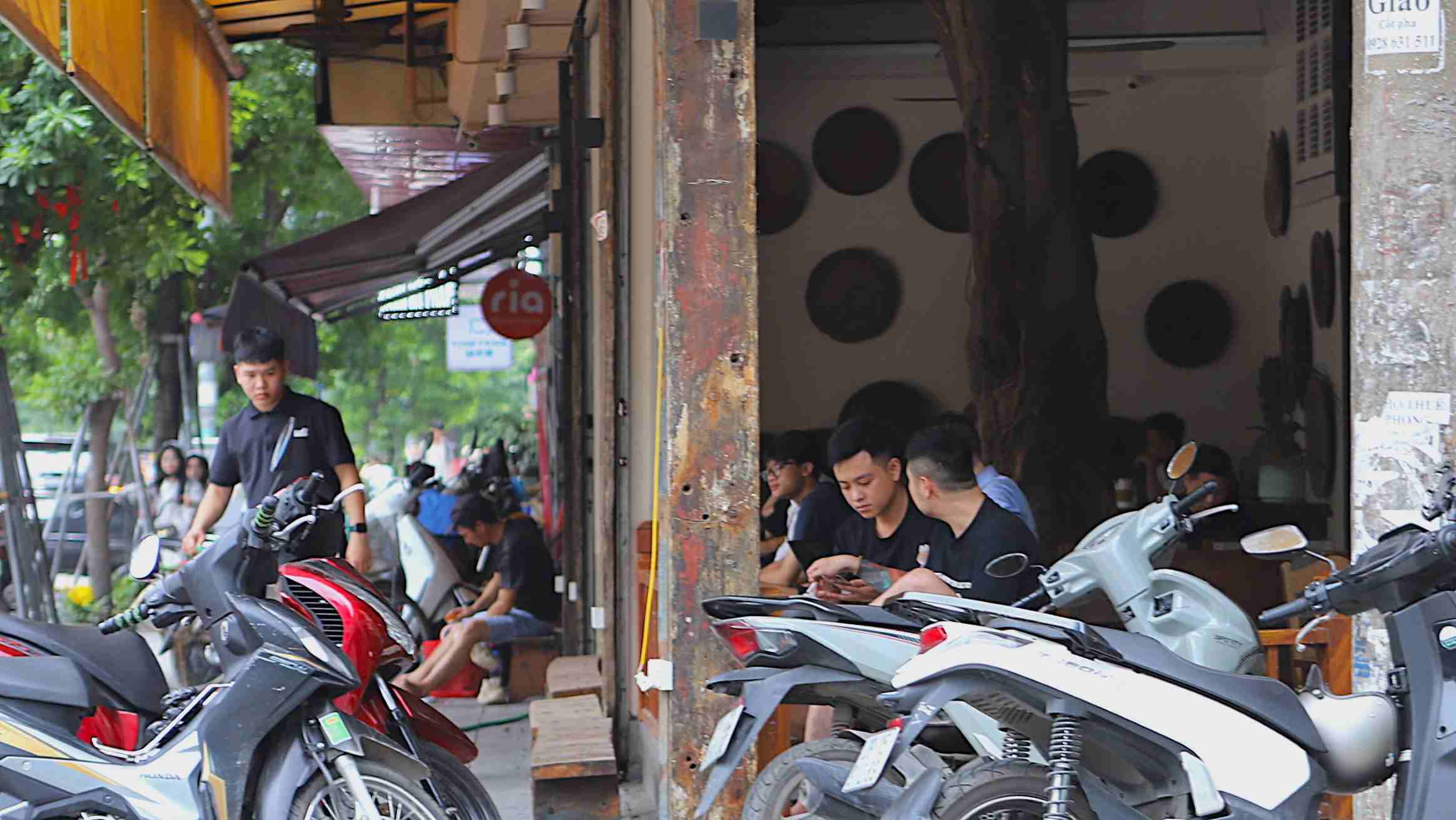
Music has long become an indispensable part of many cafes, restaurants or milk tea shops, contributing to creating a relaxing space and enhancing customer experience.
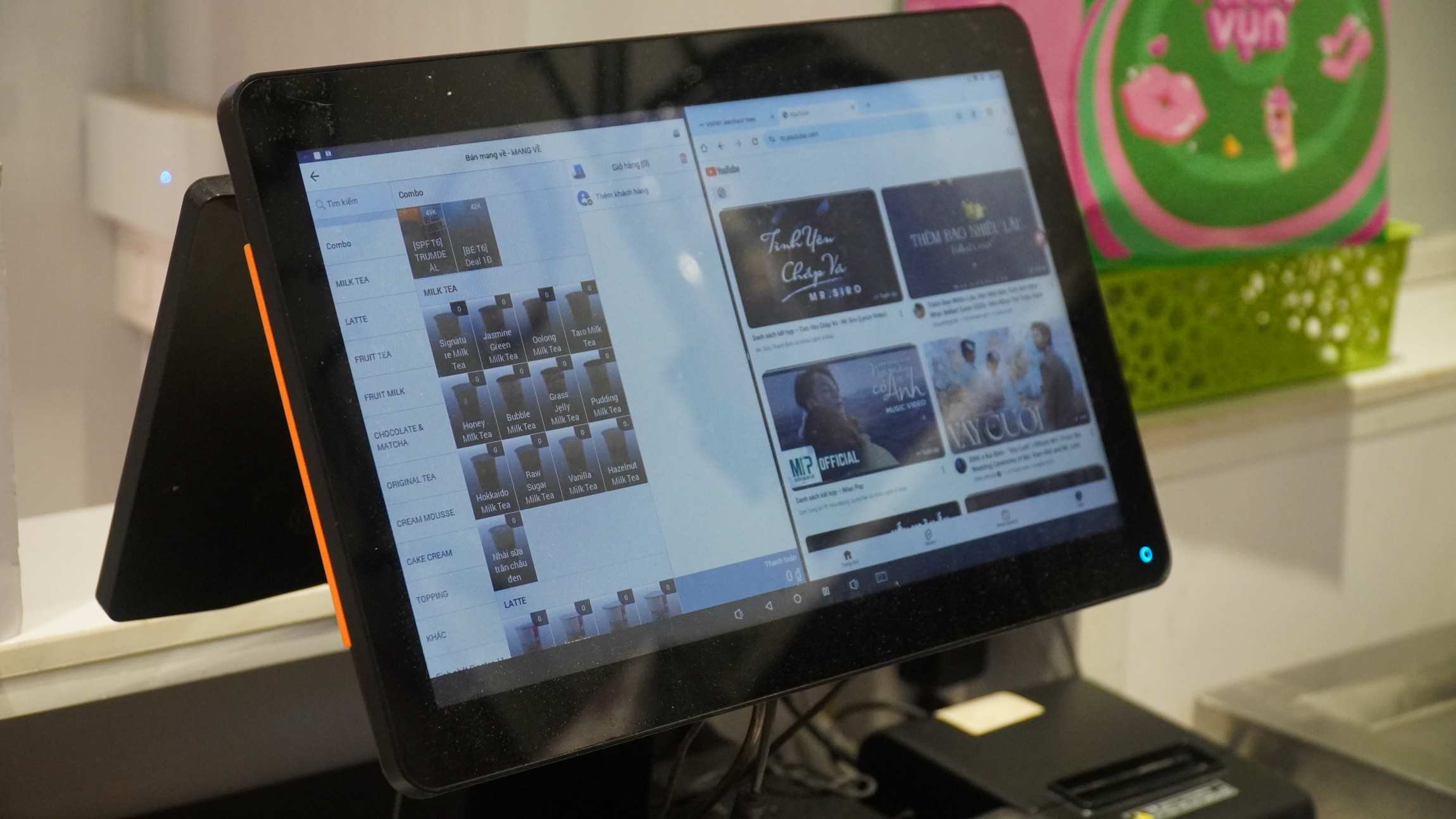
However, in reality, many facilities still play music from YouTube, Spotify or online platforms with personal accounts without knowing that these service packages do not mean the right to use music for business purposes.
According to Mr. Hoang Minh Hiep, manager of a coffee shop in Tay Ho ward, Hanoi, the store has only known about changes related to music copyright regulations in recent days.
Previously, the cafe mainly played music from online platforms. Because we had not carefully studied the regulations, we were not really interested in copyright issues in business operations. Up to now, no unit has directly come to the cafe to guide or disseminate information about this issue," Mr. Hiep shared.
He added that the store once bought a copyrighted music service package to serve business operations. However, after the service package expired, the store returned to using regular music listening applications.
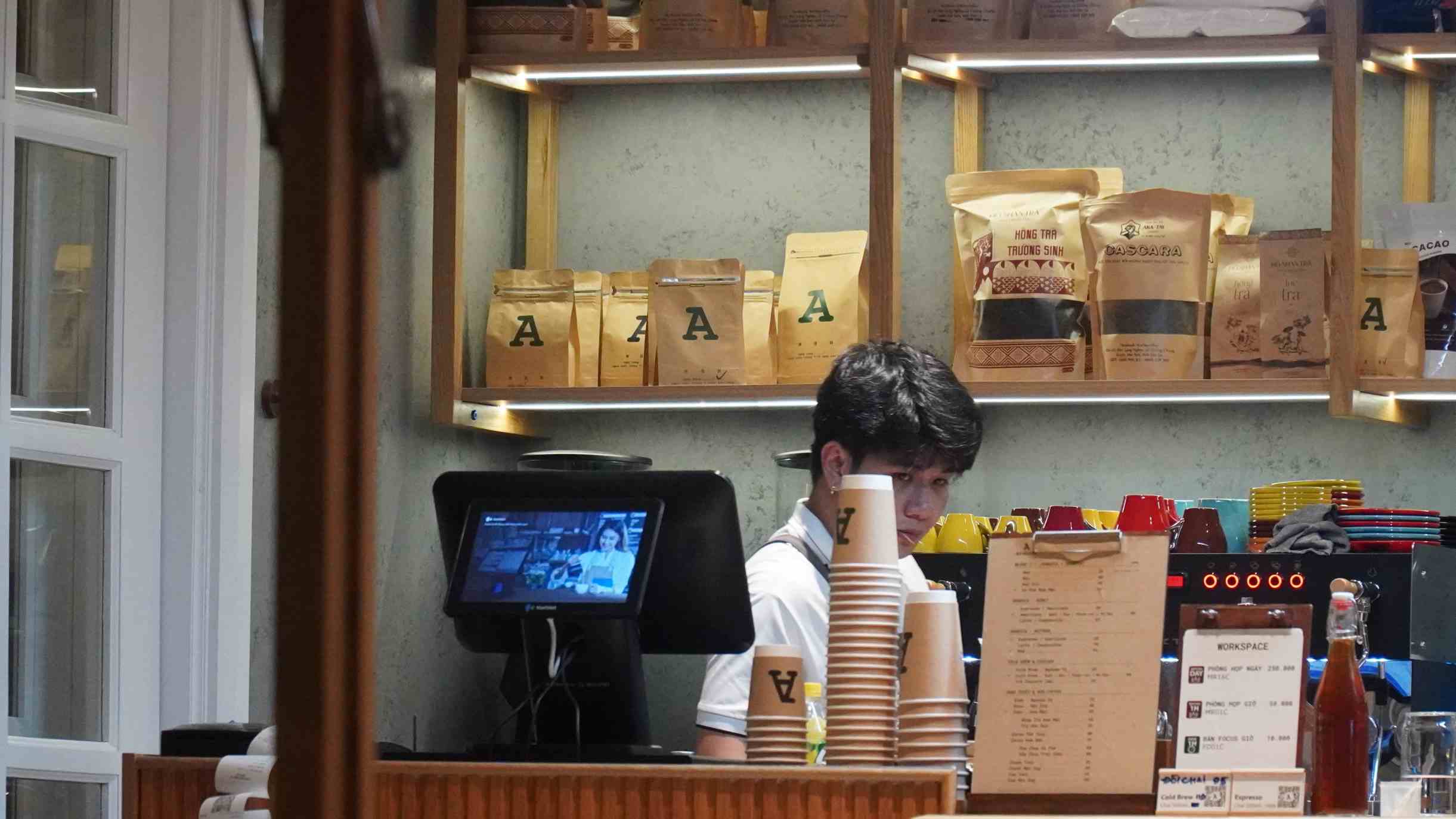
Before the regulation on the collection level is applied from July 1, 2026, he said he is proactively learning more carefully about the regulations, and at the same time considering appropriate options to both comply with the law and limit additional costs.
Meanwhile, Nguyen Yen Linh, an employee at a milk tea shop in Thanh Xuan ward (Hanoi), said that the shop only plays music at crowded times.
My shop does not play music regularly, mainly when there are many customers, so it has not been disseminated or reminded about copyright regulations," Linh said.
Fear of being impersonated and scammed when collecting royalties
Not investigating", "Have not grasped information" or "My restaurant has never heard of this regulation" are the answers that reporters recorded at many business establishments.
Not only concerned about costs, many shop owners are also worried that the lack of specific guidance information may create conditions for subjects to impersonate copyright collection units.
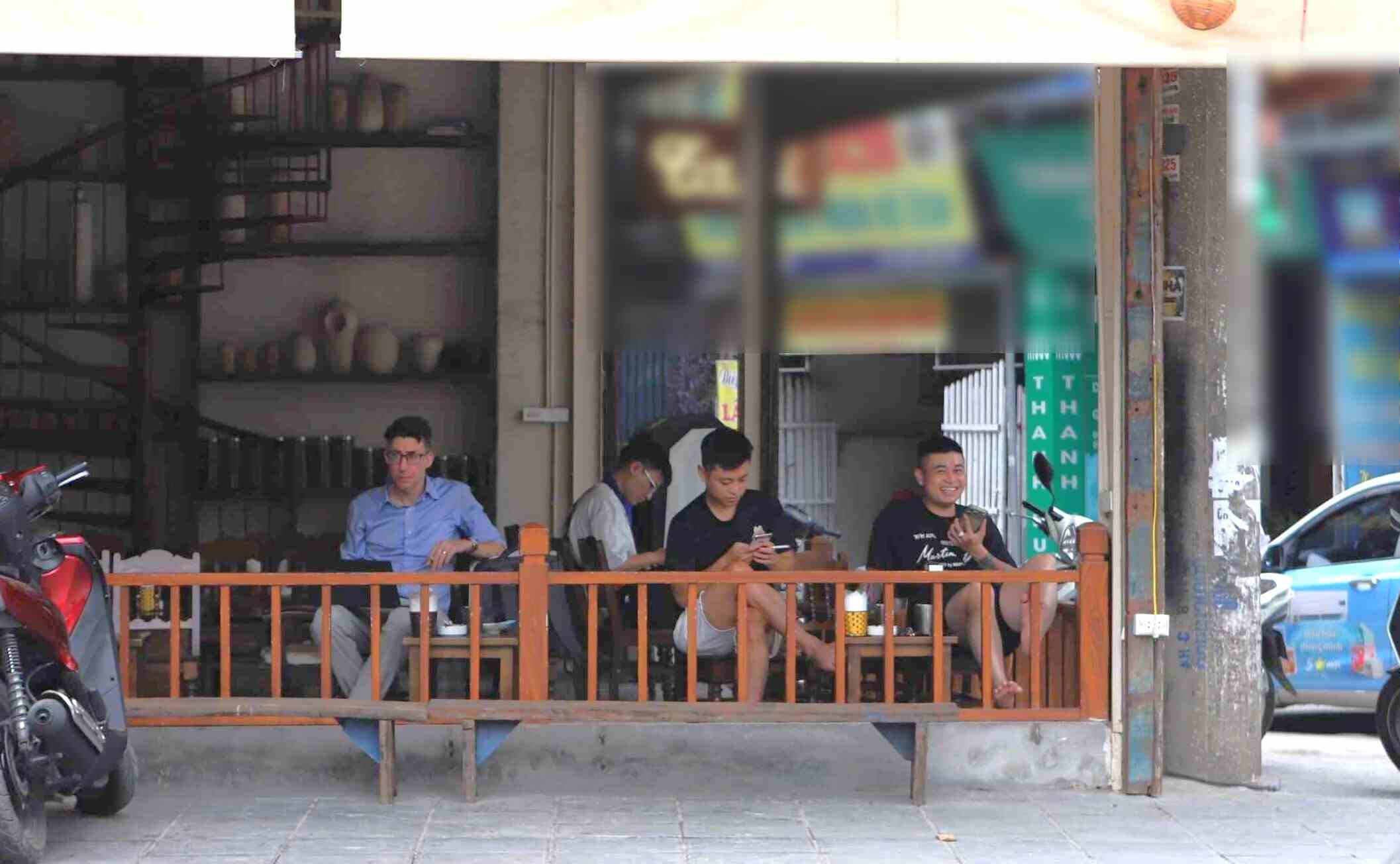
According to Ms. Nguyen Thi Hoa, owner of a milk tea shop on Nguyen Chi Thanh street (Hanoi), the thing that worries her the most is not the amount of money to be paid, but the fact that she does not know clearly which unit has the authority to collect, what the collection process is, and how to verify that the person who came to work is the right representative.
Previously, I had received some calls requesting to pay fees, but when I requested to provide papers or verified information, they could not prove it. Since then, I have been very vigilant with almost all calls related to collecting money. For safety, my shop chose the option of not playing music to avoid unnecessary troubles," Ms. Hoa shared.
That is also the concern of Mr. Hai Dang, owner of a coffee shop in Cau Giay (Hanoi).
He said he has been doing business for a while but has not learned about music copyright fees.
I have not carefully researched this regulation. Occasionally, people call to talk about toll collection, but I do not respond because I am afraid of fraud. The restaurant also rarely plays music, so I am not clear. If I really have to pay, I have not seen any unit come to directly guide or work with the restaurant," Mr. Dang said.
As the person directly operating a milk tea shop in Cau Giay (Hanoi), Mr. Duong Manh Quyet also said that he has only preliminarily learned about the regulations and there are still many unclear things.
I do not understand the specific types of rights as well as the method of collecting money. If someone comes to collect later, what is the basis to determine that my shop is using music that is subject to fee? I think there needs to be clearer guidance. If it seems too complicated, I may consider the option of not using music at the shop," Mr. Quyet expressed.
According to many business owners, standardizing the copyright fee collection mechanism is necessary to protect the legitimate rights and interests of musicians, authors and owners of recordings.
However, to put the regulations into practice, they want more specific guidance on collection units, payment procedures, licensing forms as well as how to legally use music in business.
According to Decree 134/2026/ND-CP dated April 6, 2026, amending Decree 17/2023/ND-CP on copyright and related rights, Article 33 of this decree stipulates the formula for calculating annual copyright fees for business establishments using music: Copyright fee/year = Base salary level x Adjustment coefficient.
From July 1, 2026, the base salary according to Decree 161/2026/ND-CP is 2,530,000 VND/month.
The adjustment coefficient is calculated based on the total area used in the year of coffee shops and restaurants.
Accordingly, the adjustment coefficient has 3 basic levels:
*Area 15m2: coefficient 0.35/15m2/year.
*Area from 15m2 to 50m2: each m2 increased is calculated with a coefficient of 0.04/m2/year.
* Area over 50m2: each m2 increased is calculated with a coefficient of 0.02/m2/year.
Maximum level: 8 times the base salary/year.
According to Article 33 of Decree 134/2026/ND-CP, the copyright amount calculated by area must also be adjusted according to the urban classification where the restaurant is headquartered.
*Hanoi City and Ho Chi Minh City: Applied according to the price frame.
*Class I urban area: Applying 80% of the price frame;
*Typ II urban area: Apply 50% price frame;
*Class III urban areas: Apply 20% of the price frame. In case of remote, isolated, and particularly difficult areas, apply 10% of the price frame.
Meaning, a coffee shop with the same area of 40m2 will pay different copyright fees if its headquarters are located in different provinces and cities.


