
The Can Gio - Vung Tau sea-crossing road project is one of the key projects that will be started on the morning of July 1, along with many large projects of Ho Chi Minh City on the occasion of the 50th anniversary of Saigon - Gia Dinh city officially honored to be named after President Ho Chi Minh (July 2, 1976 - July 2, 2026).
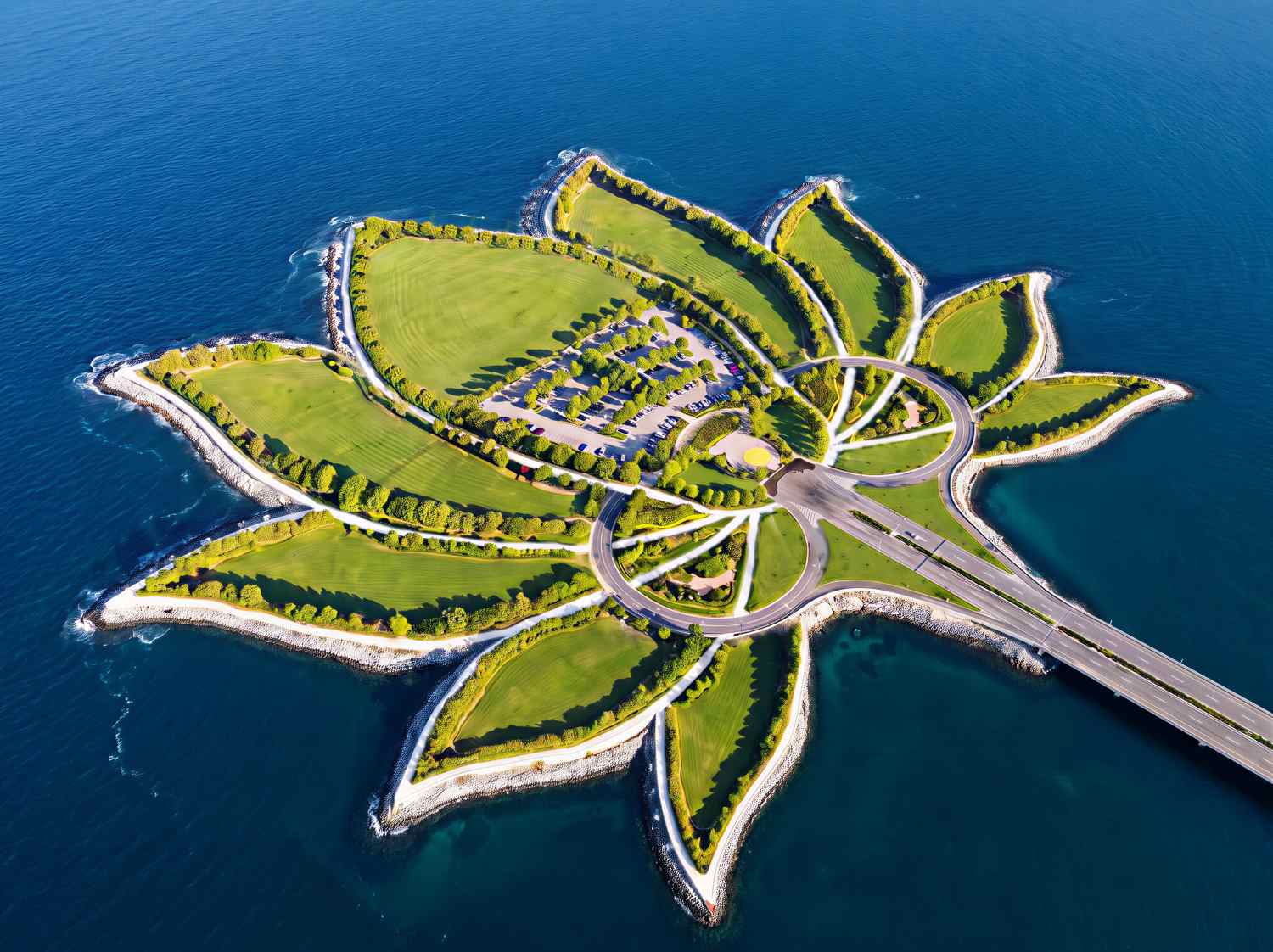
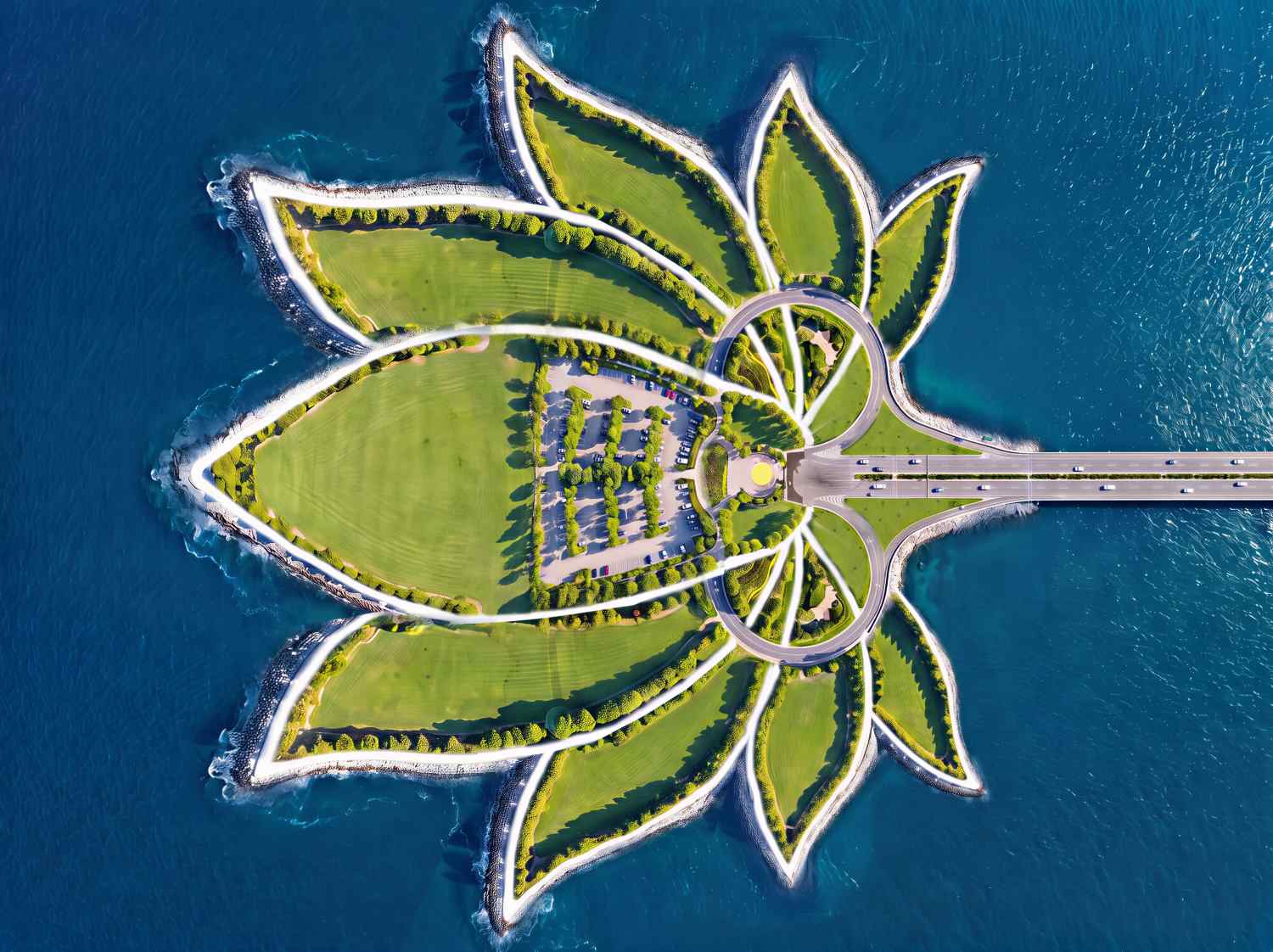
According to the design plan, the highlight of the route is the two tunnel entrances built with lotus shapes. Surrounding each tunnel entrance is a wave shield system to reduce the impact of storms and nautical conditions.
On each tunnel entrance area, the main road leading to the submerged tunnel, internal traffic routes and technical infrastructure systems such as electricity, water supply and drainage, lighting, green trees, landscape and operating houses will be arranged to serve the management, exploitation, and operation of the project.
The construction of two tunnel entrances not only helps shorten the length of the bridge or submerged tunnel but also creates space to arrange technical items such as ventilation systems, rescue, maintenance and operation. The project also contributes to reducing the impact of waves, currents and mud and sand, thereby improving safety and extending the lifespan of the sea crossing route.
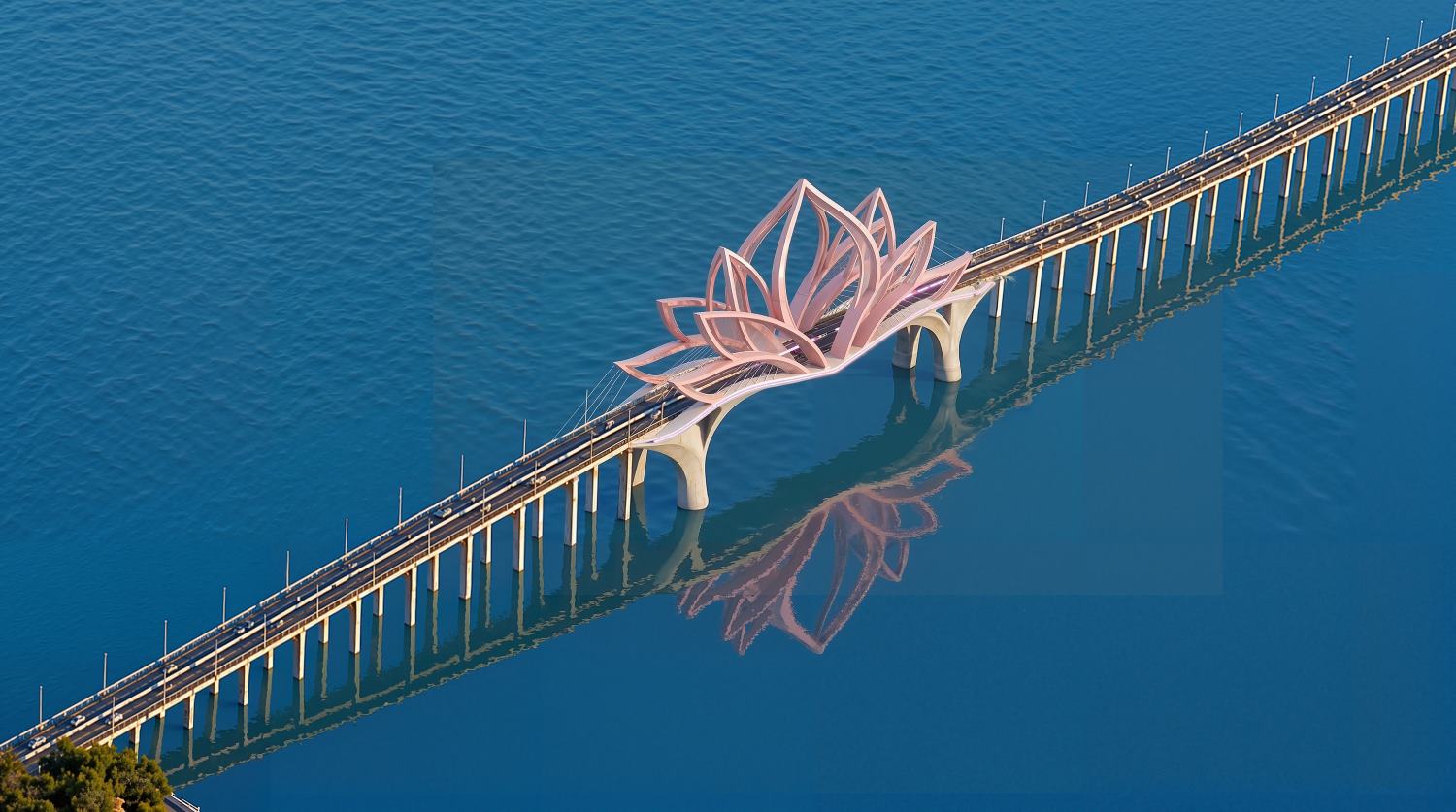
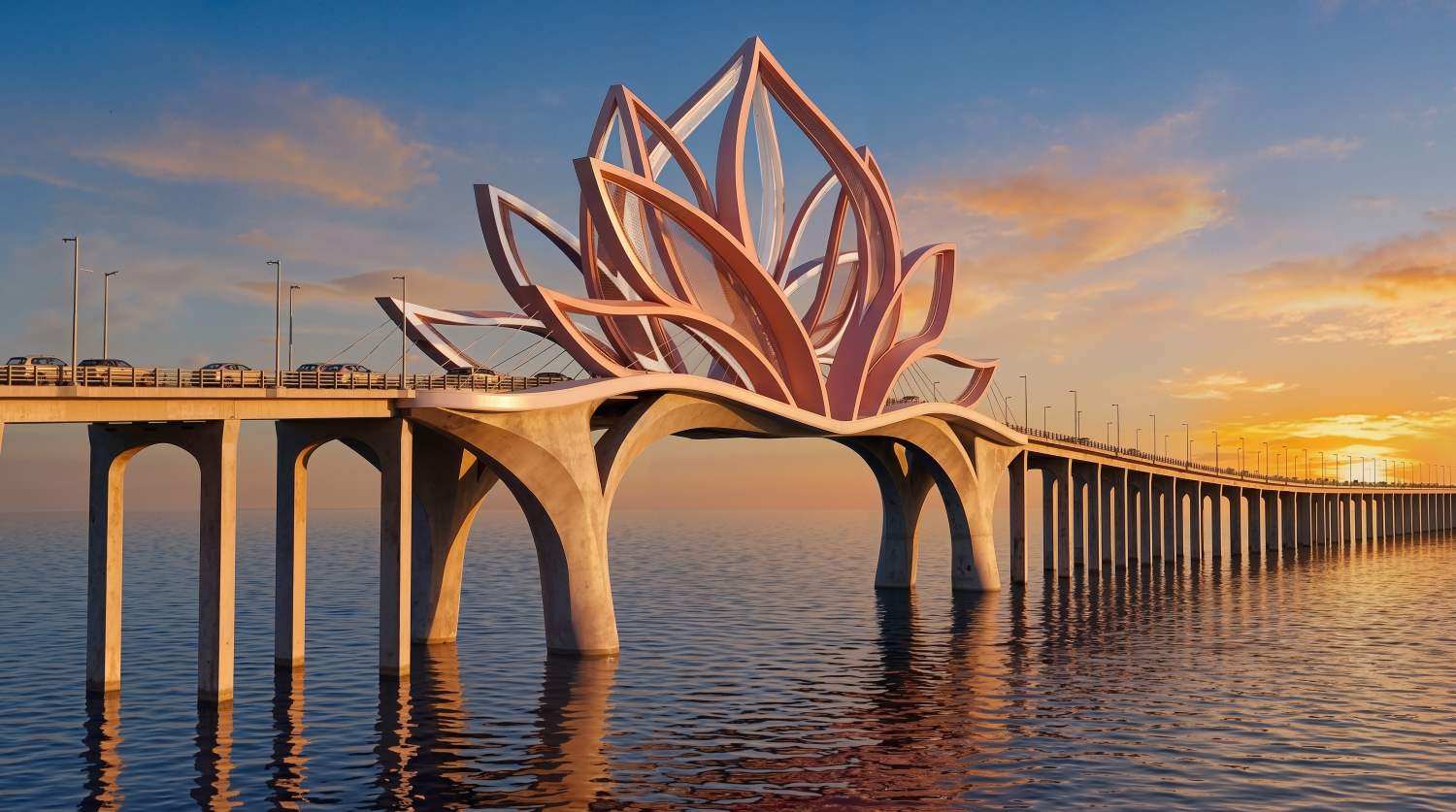
In addition, on the route there is also a bridge span designed with the image of a lotus flower, creating architectural and landscape highlights for the project.

The Can Gio - Vung Tau sea-crossing route has a total length of about 14 km, including access roads, sea-crossing bridges and sea tunnels.
In which, the approach road section is nearly 1.9 km long, including 739 m on the Can Gio side and nearly 1.2 km on the Vung Tau side. The sea bridge is more than 8 km long, of which the Can Gio side is more than 5 km long and the Vung Tau side is nearly 3 km long.
The connection section from the bridge to the tunnel is about 295 m long, including 163 m on the Can Gio side and 132 m on the Vung Tau side. The sea tunnel item is more than 3.8 km long, including a submerged tunnel about 3 km long, a closed tunnel 430 m and an open tunnel 420 m.
The entire route is designed with a scale of 6 motorized lanes. In which, the sea tunnel is about 34.6 m wide, the sea bridge is 26.25 m wide, and the access road sections are about 34.5 m wide.
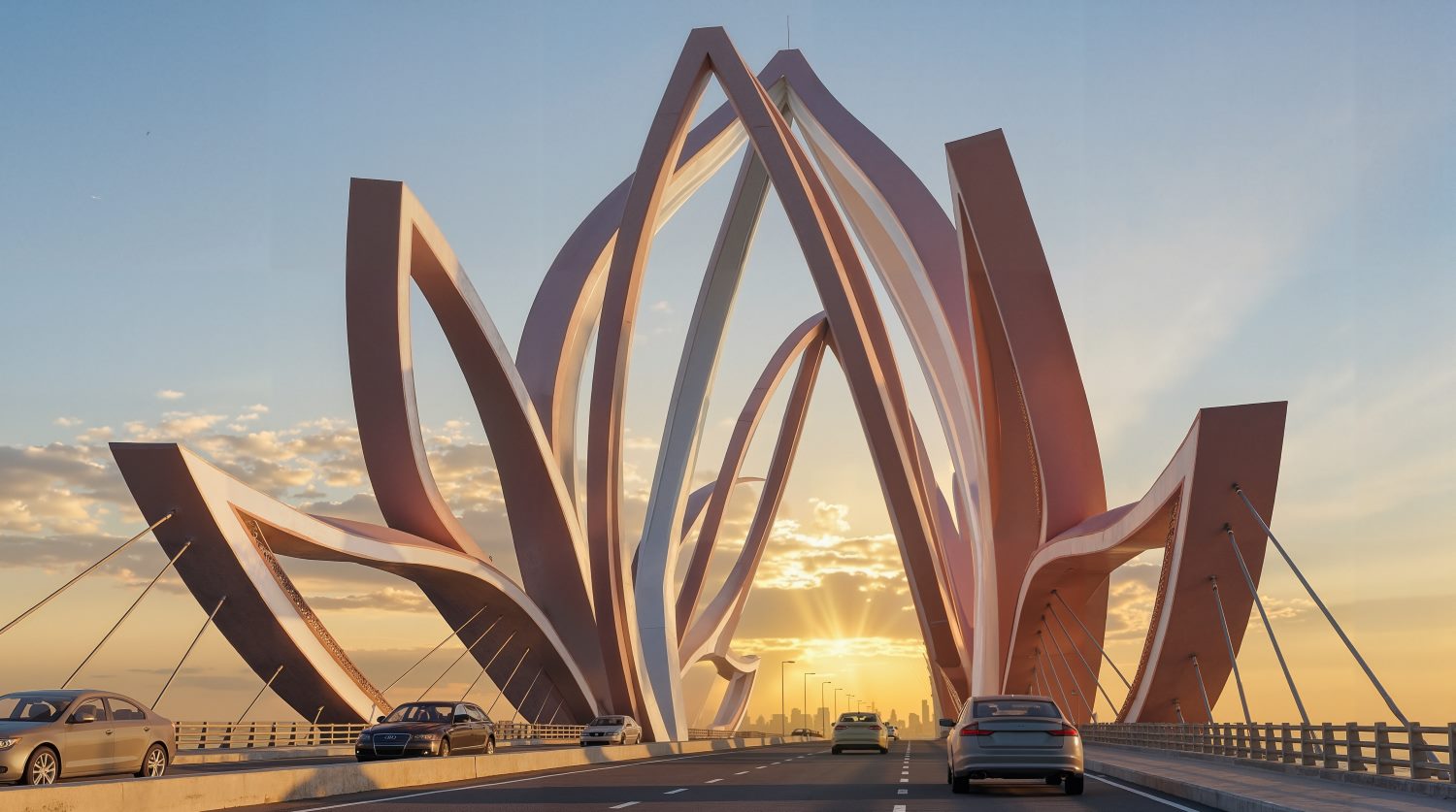
The project has a preliminary total investment of more than 93,000 billion VND, including loan interest and investor profit. According to the plan, the project will be completed in 2029.
When put into operation, the route will shorten the travel time between Can Gio and Vung Tau to about 15 - 20 minutes, instead of 90 - 120 minutes as at present.
This is expected to become a "strategic connection" in the southern coastal transport network, forming a continuous connecting axis between the core urban area of Ho Chi Minh City and the southeast coastal area, expanding the city's development space.
The project is also expected to create momentum for the development of Can Gio sea tourism area, Long Son industrial park, improve the exploitation capacity of Cai Mep - Thi Vai port cluster, and at the same time promote the development of marine economy, logistics and ecotourism, in line with the orientation of developing the sea city space of Ho Chi Minh City in the long term.


