Relic exploitation still faces many difficulties
According to the Department of Culture, Sports and Tourism of Ca Mau province, some relics and heritages of great value still preserve artifacts, but have not been properly promoted, and have not become tourism resources.
The main reason is that most of the revolutionary historical relics are located far from the center, with unfavorable transport infrastructure and a lack of additional services. Facilities such as parking lots and public toilets have not been invested in synchronously, making it difficult to organize large-scale tours and tourist routes.
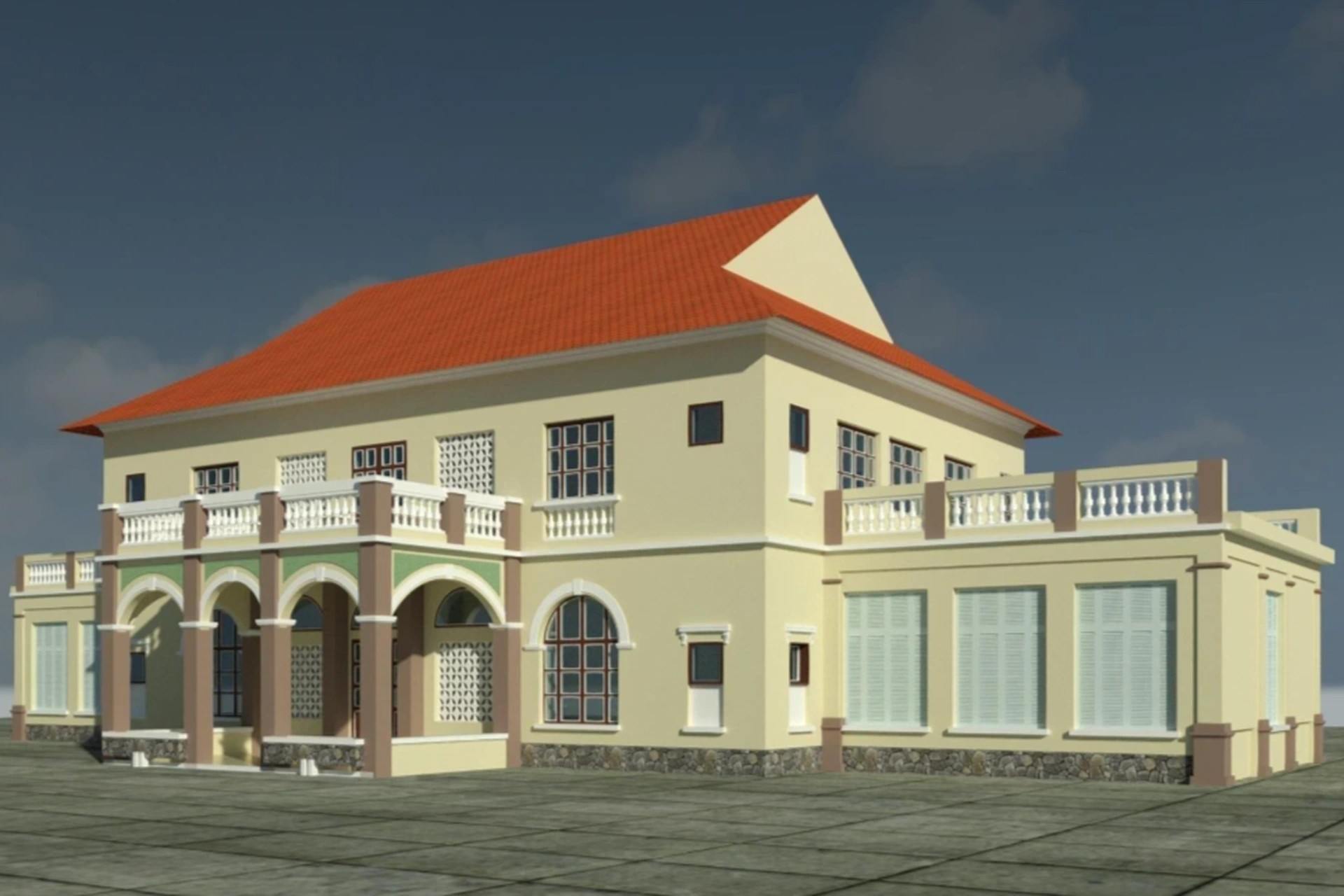
In addition, many relics are degraded, and the restoration, embellishment, and restoration work is still slow, causing the relics to not be eligible for exploitation for tourism.
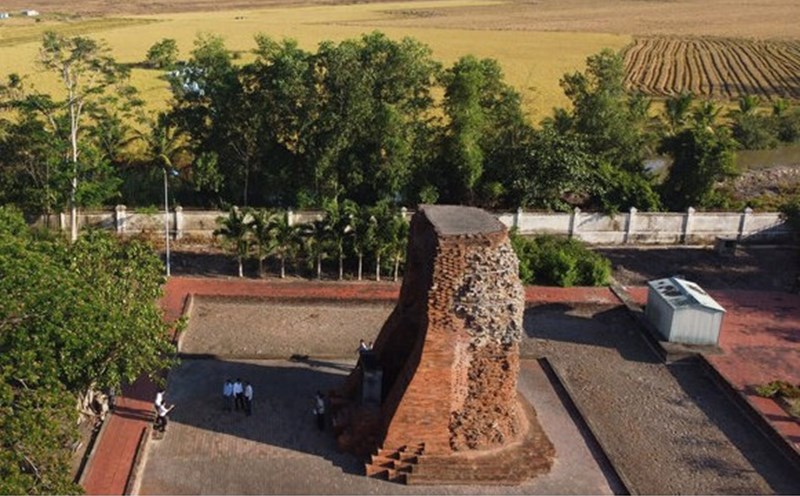
Even the three special national relics of the province have not been fully effective. Vinh Hung archaeological site is often flooded during the rainy season, sometimes the water reaches the foot of the tower. Despite its great archaeological value, this relic is rarely promoted, so not many people know it. Cai Chanh National Monument (Ninh Thanh Loi Commune) is also facing difficulties due to inconvenient transportation and limited visitors.
Bright spots from relic tourism
In the general picture, there are still effective models of exploiting relics. A typical example is the Cong Tu Cluster of Bac Lieu - a familiar destination for domestic and foreign tourists.
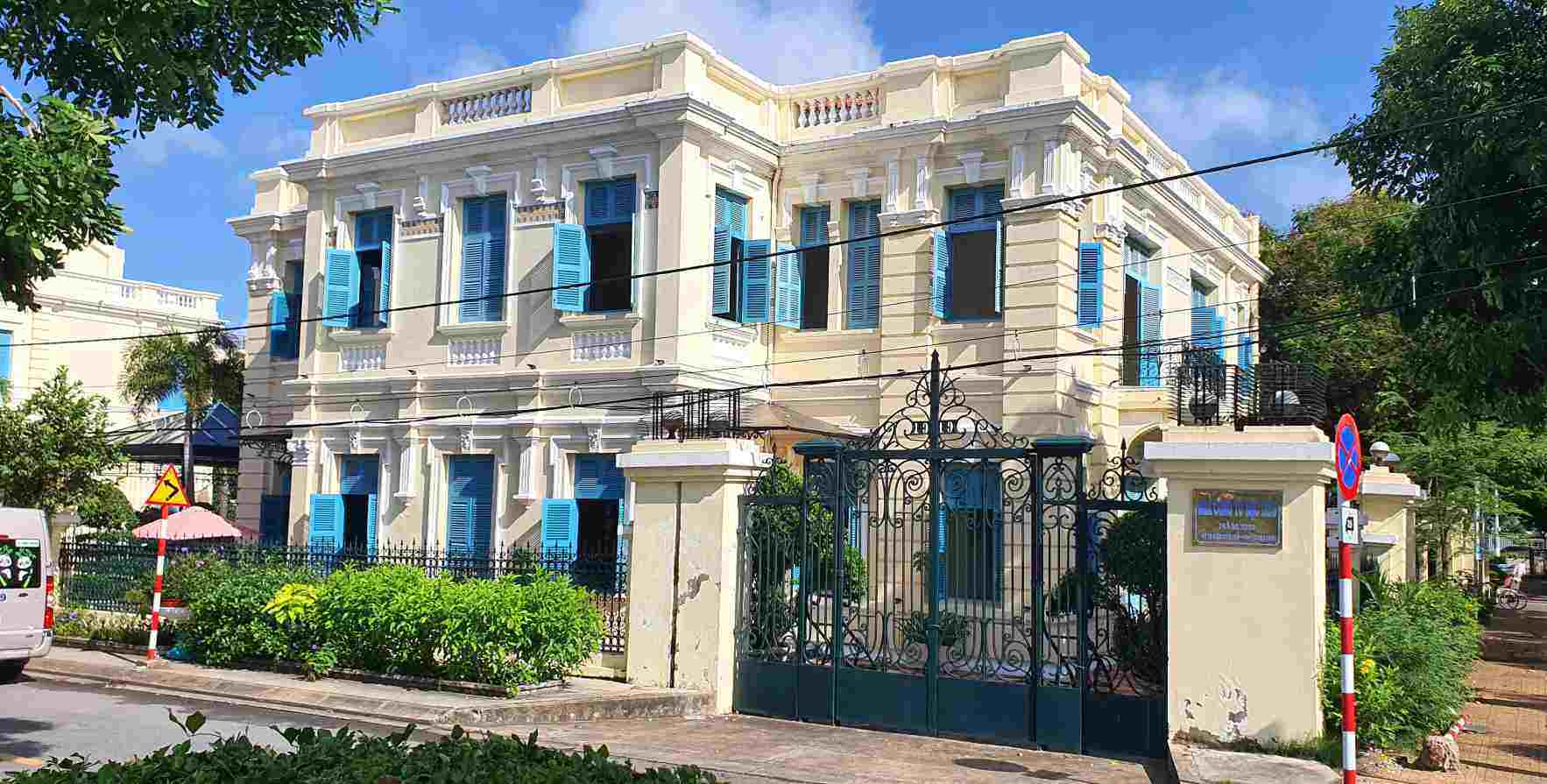
After being socialized and invested, this relic cluster has formed all the items such as hotels, exhibition halls, campuses, parking lots, beverage services... creating great attraction for tourists. The Bac Lieu Cong Tu brand has helped businesses exploit tourism well, said Mr. Hoang Quoc Viet - Director of Bac Lieu Cong Tu One Member Co., Ltd.
In Bac Lieu City (old), locations such as Cao Van Lau Musician Memorial Site, Quan Am Phat Dai, Xiem Can Pagoda, Cao Van Lau Theater... are also being effectively exploited, contributing to the formation of a series of typical cultural destinations.
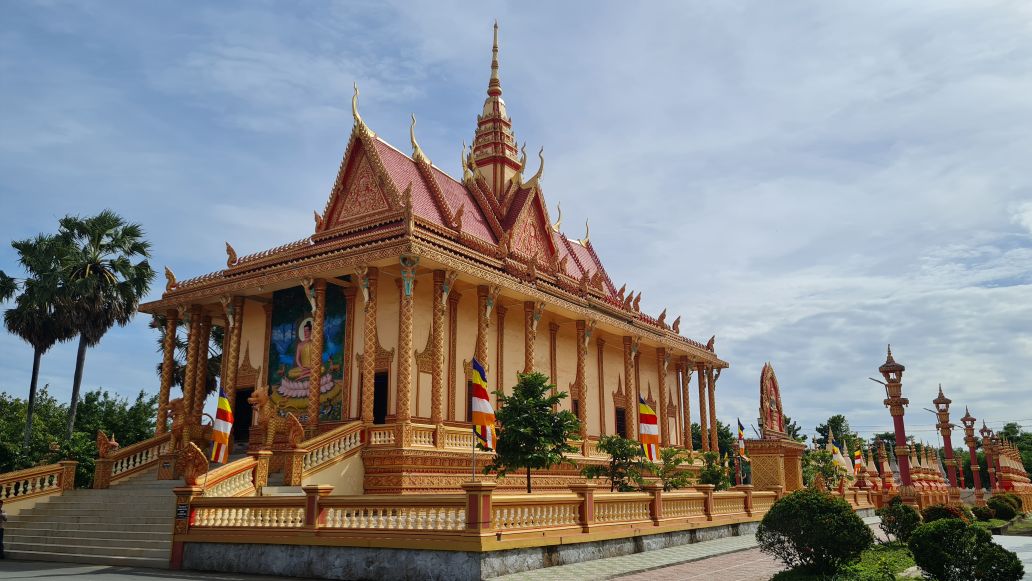
According to Mr. Tran Van Thao - Director of Vietravel Tourism Joint Stock Company, Ca Mau branch, Chairman of the Ca Mau Tourism Association, after the merger of Bac Lieu and Ca Mau, the tourism development space has been expanded. Historical sites become important destinations in the journey of tourists.
Aiming to "tak up relics to care for relics"
On December 17, the People's Committee of Ca Mau province approved the Plan for preservation, restoration and rehabilitation of Hai Yen - Binh Hung Border Guard Station after a long period of abandonment. The planning aims to preserve the original elements to the maximum, while promoting the value of the relic associated with sustainable tourism development, education and scientific research.

From the bright spots it has had, Ca Mau province is aiming to realize the goal of "taking advantage of relics to nurture relics", combining exploitation of historical and cultural relics such as Ho Chi Minh Memorial Site, Vam Lung Wharf, Cai Chanh base and natural tourist destinations such as Ca Mau Cape, U Minh Ha National Park, Thi Tuong Lagoon to develop sustainable tourism, educate tradition and improve local economy, turn Ca Mau into an attractive cultural and ecological destination, where visitors can experience unique history and nature.
To do this, the province focuses on investing in tourism infrastructure, improving the quality of accommodation and transportation services; training a team of tour guides with a good grasp of history and culture. At the same time, encourage local communities to participate in the preservation and exploitation of relics, linking economic benefits with preserving cultural values, creating unique and sustainable tourism products.