Recently, the demand for importing used technology equipment for production, research and processing has increased significantly. In the context of not having a clear enough classification and control mechanism, management agencies face double pressure: if they are lax, they risk becoming a place to receive outdated, low-quality equipment, causing environmental pressure and hindering domestic technological innovation; if they are absolutely tightened, many legal production and research activities of enterprises will be interrupted.
In reality, many technology enterprises still need to use used equipment and components but are still able to operate well, meeting technical requirements. These devices often serve specific purposes such as system operation, line testing, software processing, data processing or re-entry for repair. A rigid import ban will waste resources and increase costs for businesses.
From that practice, the requirement is to strictly control to prevent "technology waste", while building a flexible, conditional mechanism, allowing the import of used equipment but still valuable for production and research. This is also the context leading to the issuance of Circular No. 26/2025/TT-BKHCN of the Ministry of Science and Technology.
Speaking with Lao Dong, Mr. Nguyen Anh Tuan - Head of Quality Management Department, Department of Information Technology Industry (Ministry of Science and Technology) said that Circular No. 26/2025/TT-BKHCN, effective from October 31, 2025, stipulates that goods on the List of used information technology products are prohibited from being imported, and at the same time allow processing activities for consumption abroad. The Circular does not expand widely but clearly identify cases that are allowed for import for special purposes.
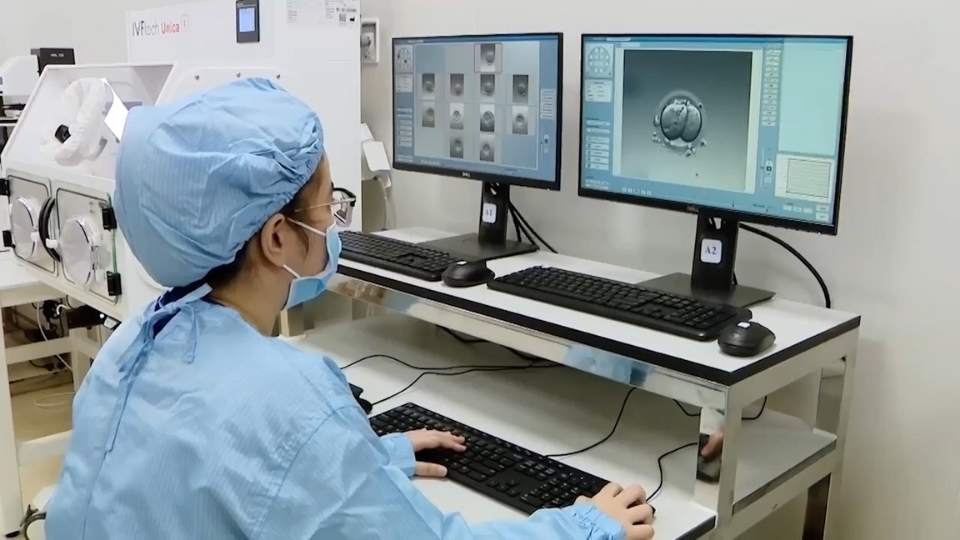
Cases permitted for import include moving production vehicles in the same organization; using them as control, operation, exploitation or inspection equipment for systems and production lines; directly serving software production activities, processing business processes using information technology, data processing for foreign partners.
In addition, the circular allows the import of specialized IT products, re- import of products that have been sent abroad for repair after the warranty period expires, or the import of renovated components to replace products that are no longer produced.
Mr. Nguyen Anh Tuan emphasized that the circular clearly identifies 3 groups of cases that are allowed to be imported: for special purposes, for scientific research and processing for foreign traders for consumption abroad. This determination helps management agencies control the purpose of use, while facilitating businesses with legitimate needs.
Not only regulating the permitted scope, Circular No. 26/2025/TT-BKHCN also clarifies the order and procedures for granting licenses. Import documents must comply with Decree No. 146/2025/ND-CP, accompanied by request documents, documents explaining the use plan, goods management process and handling plan after end of use in Vietnam. For processing activities for foreign traders, enterprises must ensure that goods are only for processing and consumption abroad.
According to Mr. Tuan, the core point of the circular is to both tighten management principles and open control for production and research. The new regulation is expected to prevent the risk of importing outdated and poor quality equipment, while removing bottlenecks for digital technology enterprises that are deeply participating in the global supply chain.