
The lipstick mark shines forever with time
80 years - a long enough time to erase material memories in a rapidly developing land like Cao Lanh, Dong Thap province, but as soon as I set foot here, I fully felt the bustling atmosphere of horse hooves, the cheers of the people at Cao Lanh stadium (SVĐ) at the horse race in 1944. Because that historic sporting event is like a milestone in the hearts of many generations of Cao Lanh people, so just a spark and it immediately bursts out.
“For the people of Cao Lanh, this is not only a sporting event but also a source of pride...” - next to the coffee shop next to the Vinh Bao Musician Memorial House (who is known as the ancestor of Southern amateur music), poet Huu Nhan, former Editor-in-Chief of Dong Thap Literature and Arts Magazine - shared.
From the collected materials combined with the experience of a long-time writer, Mr. Nhan seemed to take me back in time to the old racetrack, sometimes swaying with the hot atmosphere of cheers and cheers...
In 1944, after a period of joining the sports movement like many localities in the region, Cao Lanh created a new impression when organizing the Horse Race. According to researcher Pham Nguyen Y Tuyen (Cao Lanh), Mr. Muoi Chuyen - owner of Ung Ky bus company, "sponsor" for the Étoile de Cao Lanh Football Association (Cao Lanh Star) - was the one who initiated the proposal for the first horse race in Cao Lanh land. Therefore, not only horse owners in Cao Lanh registered, but also the participation of many famous jockeys from other localities. All of this has pushed the atmosphere of dispute to heat up before the competition.
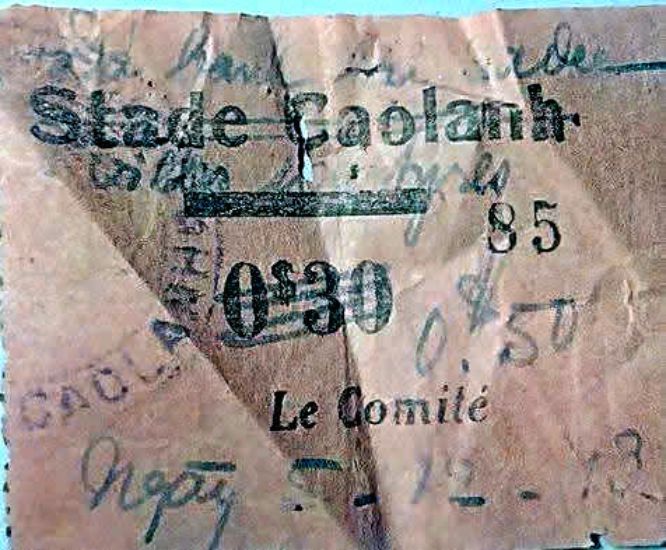
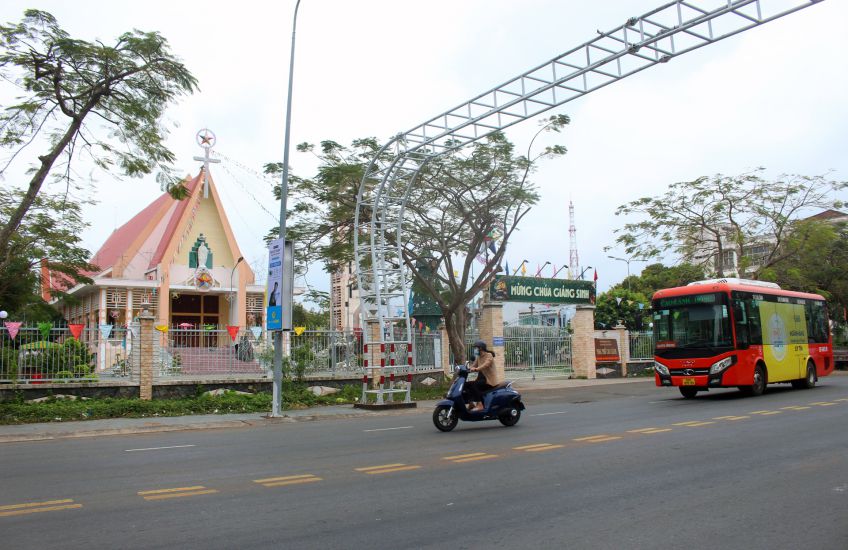
According to poet Huu Nhan, at the time of the race, Cao Lanh Stadium was a very special sports facility. Established by the Tien Phong Youth Force in 1943, then many local philanthropists contributed to investing in raising it to modern standards. The stadium is large in scale (200 x 400m), arranged with many items: football field, basketball, volleyball, running track around the field, weight boxing area, long jump pit, high jump... In addition, there is also an art architecture stand, below which there is a place to change clothes for athletes. The entrance gate is architecturally made of four large round columns, above which is a sign named "Do Cong Tuong Stadium", i.e., Mr. Cau Lanh (? -1820), who made great contributions and his name became Cao Lanh today.
Historic race
Before the enthusiastic spirit of the opposing teams, sports lovers in Cao Lanh also focused their efforts on preparing with the determination to keep the Champion title right in their hometown by hunting for good riders. After being advised by a girl named Mai Thi Tot, the seventh daughter of a family practicing sailing in Thay Kham canal (now Cao Lanh ward) who has a talent for controlling horses and often wins many men in spontaneous competitions, Mrs. Muoi Chuyen personally came to her house to invite. With the support of her fifth brother (later martyr Mai Tan Thanh, 1920-1948), at the age of 19 full of youth, Mrs. Tot accepted.
According to regulations, the riders control the galloping horse 3 times around the stadium with a total length of about 4km, a distance long enough for the riders to perform tactics so that the horses do not drown when reaching the finish line as well as avoid violating regulations when passing through the court curve... With neat bun hair, Mrs. Tot's figure looks petite compared to her muscular male opponents and even smaller in front of the giant space of the stadium. But as soon as Mrs. Tot appeared, the stadium simultaneously raised cheers and exclamations about the unprecedented phenomenon in the history of sports before that.
With focused eyes, she urged her horse to the starting line according to the referee's instructions, her majestic posture like a female general preparing for battle. With her usual skills of caring for and controlling... Ms. Tot calmly urged her horse to accelerate and skillfully pressed herself close to the horse's body every time it passed a curve... to maintain balance. Her rhythmic and flexible coordination between the person and the horse received many rounds of applause from the audience. When entering the final round, she used the rod to urge the horse to accelerate and accelerate... and then rushed to the finish line as early as possible.
According to poet Huu Nhan, this is not only the victory of the "chicken-chicken fighting" battle as the only female rider of the tournament, in a social context where women are assumed to be housewives... but also considered a brave act of breaking and winning the gender stereotype. For Mrs. Tot's family, this victory is a priceless asset.
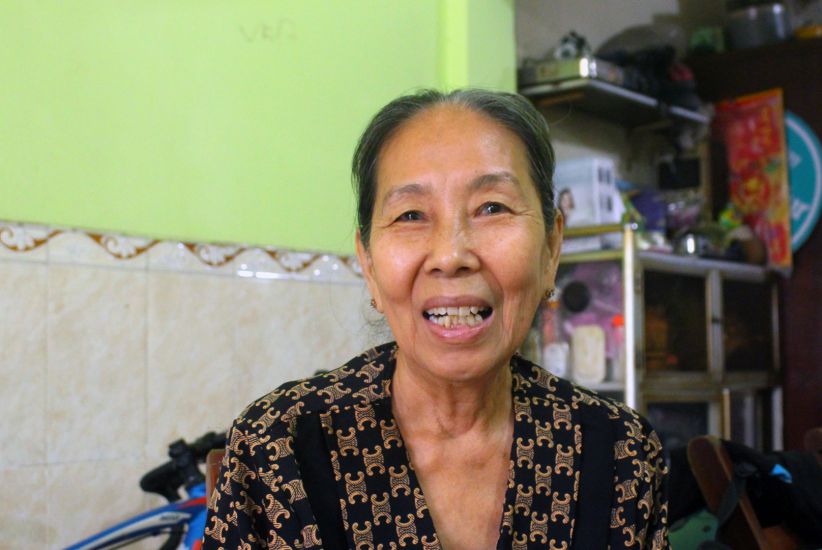
Mrs. Nguyen Thi Sen (born in 1956), Mrs. Tot's youngest daughter, recalled: "Due to many upheavals in life, my mother did not keep any related memorabilia, but during her lifetime, she often talked about this moment as a source of pride." In particular, this strong action also ignited the fire to help Mrs. Tot have enough courage to take care of the lives of her 5 children. "My mother traded in all kinds of jobs to raise her children, but the most famous was sweet soup, to the point that people gave her the nickname: Mrs. Bay Che," Mrs. Sen said.
The sound of horse hooves in 1944 has receded into the past, but in the memory of the people of Cao Lanh, the hooves of Mrs. Mai Thi Tot are still intact, not because of great achievements, but as witnesses of a moment of social progress. The Year of the Horse returns, recalling the horse race of the past is not only simply reminiscing about beautiful memories, but also to recognize the silent flow of social progress to firmly step into the new era of the nation.


