
Started in March 2025, the pedestrian bridge across the Saigon River is located between Ba Son Bridge and the Saigon River tunnel, connecting the center of Ho Chi Minh City and Thu Thiem New Urban Area.
In May 2026, leaders of the Ho Chi Minh City People's Committee, when inspecting the project, requested units to focus manpower and equipment to ensure the completion of the project on National Day September 2nd.
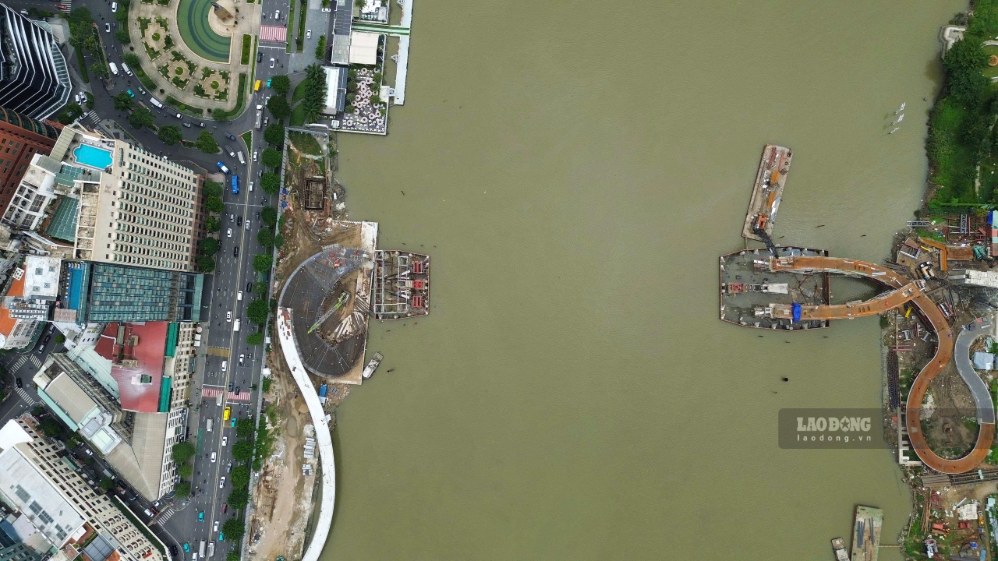
However, on August 25, according to investor Nutifood, the plan to tow the main bridge, mooring and technical clearance by the end of August 2026 must be adjusted because the specialized barge cannot be handed over on schedule.
According to the initial plan, the main span is 187 m long, weighing nearly 1,350 tons, along with a support system of about 1,700 tons, which will be towed from Dong Xuyen Industrial Park, former Ba Ria - Vung Tau area, to two bridge abutments already built in Ho Chi Minh City.
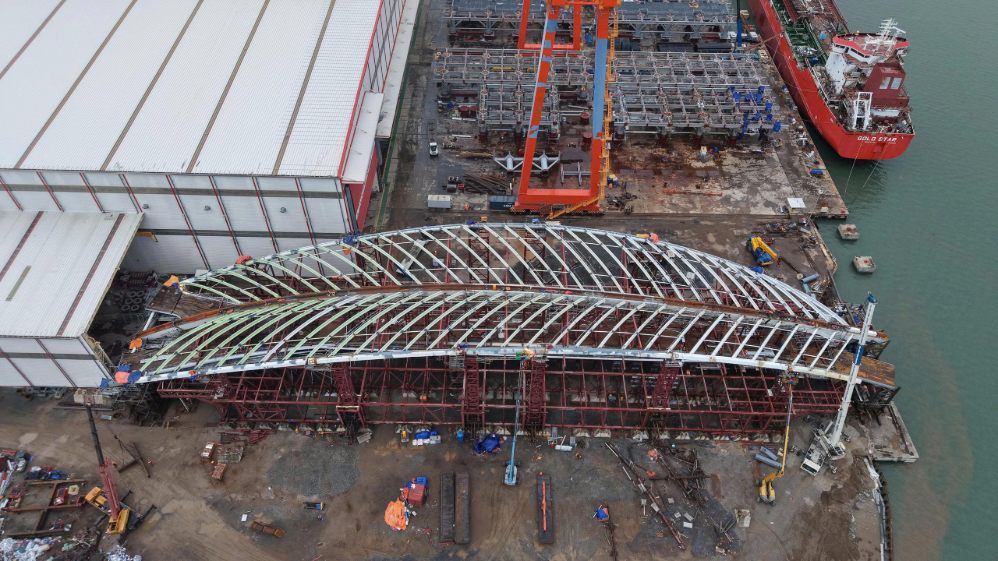
The total volume of the main span complex and support system is about 3,000 tons. The transportation of large structural blocks on maritime routes with high ship density requires coordination, towing and strict safety assurance plans.
In addition to tidal and tidal factors, the transportation plan also depends on the type of barge with specific size and load capacity. The whole country currently only has two vehicles meeting this requirement, including the Trung Nam S05 barge.
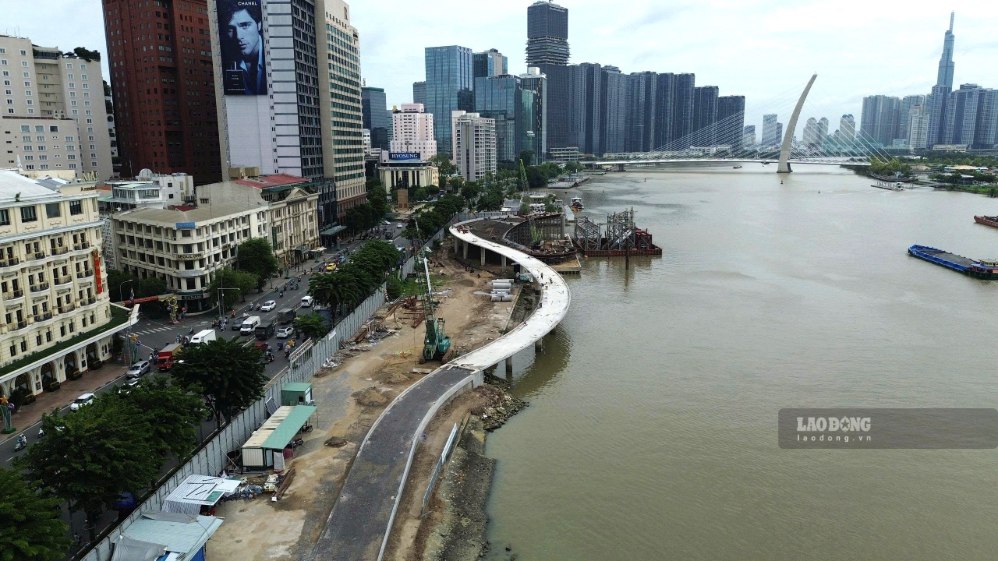
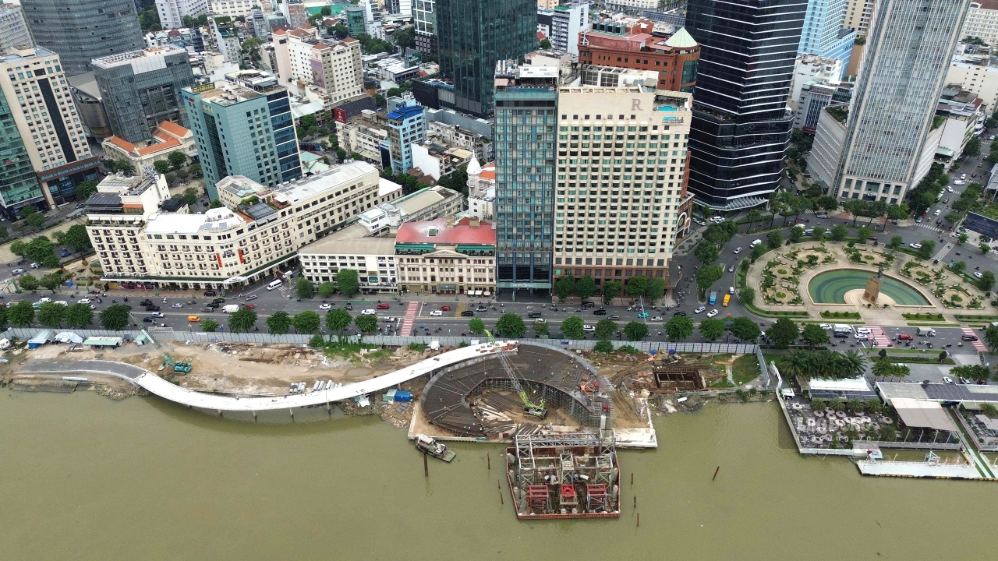
A representative of Vietrantimex - a barge supplier, said that Trung Nam S05 is serving key oil and gas projects. Bad weather at sea slows down the loading process at the mine, causing the time of handover of the barge to the pedestrian bridge project to be postponed.
Therefore, the towing, fusing and technical ventilation of the main span could not be carried out in time for National Day 2. 9.
Nutifood said it is coordinating with construction units to proactively prepare manpower, equipment and technical plans. As soon as the barge is handed over, the towing of the main span will be deployed to shorten delays and limit the impact on the overall progress.
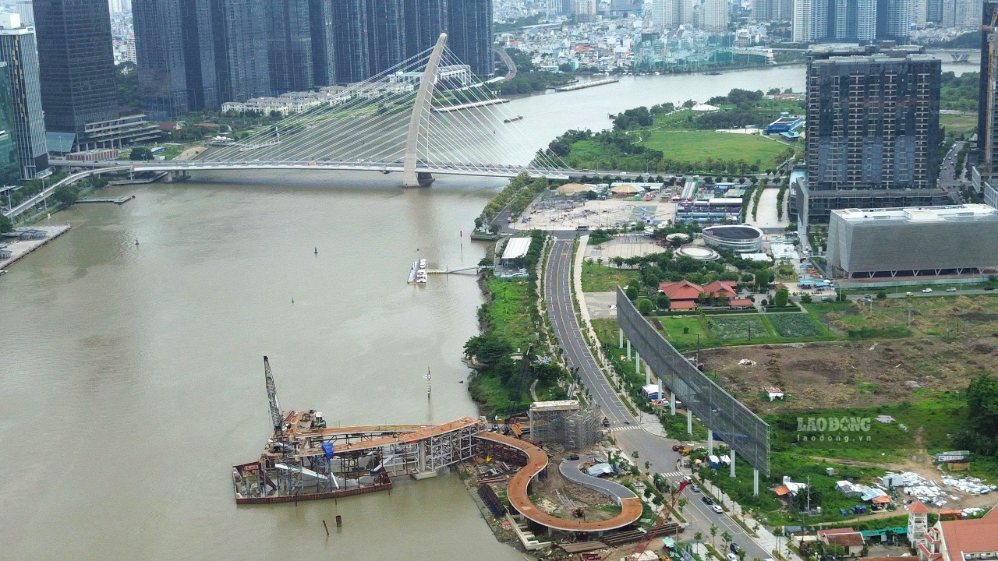
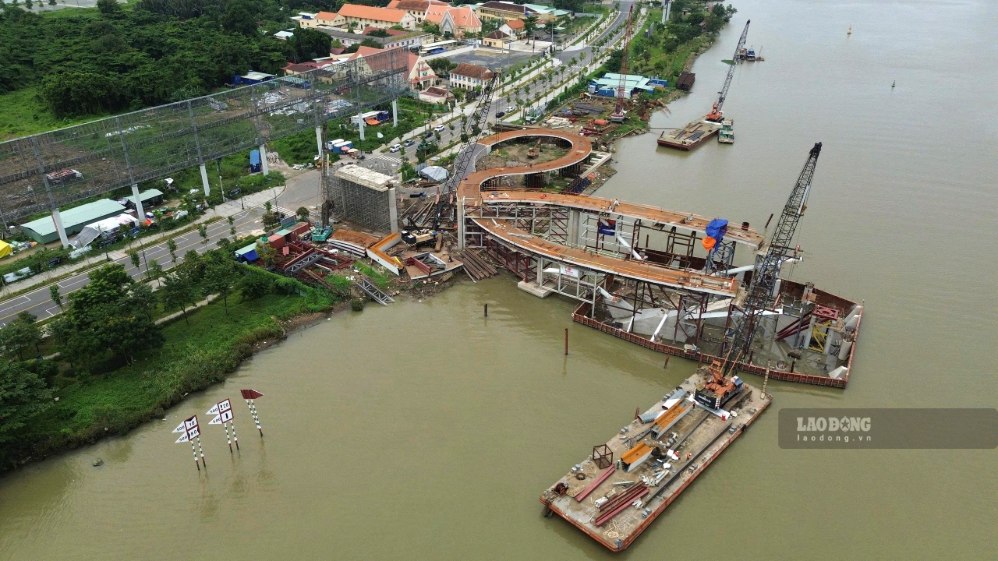
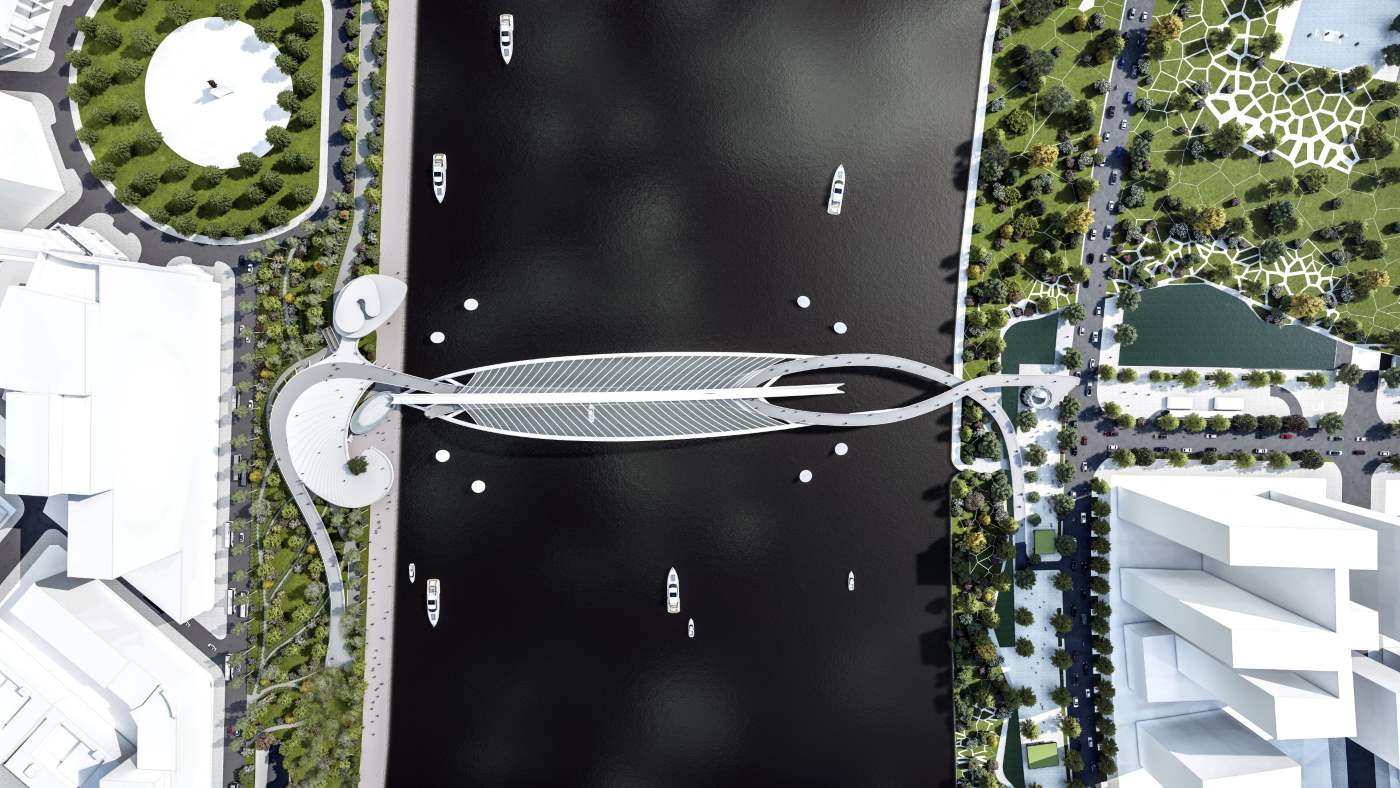
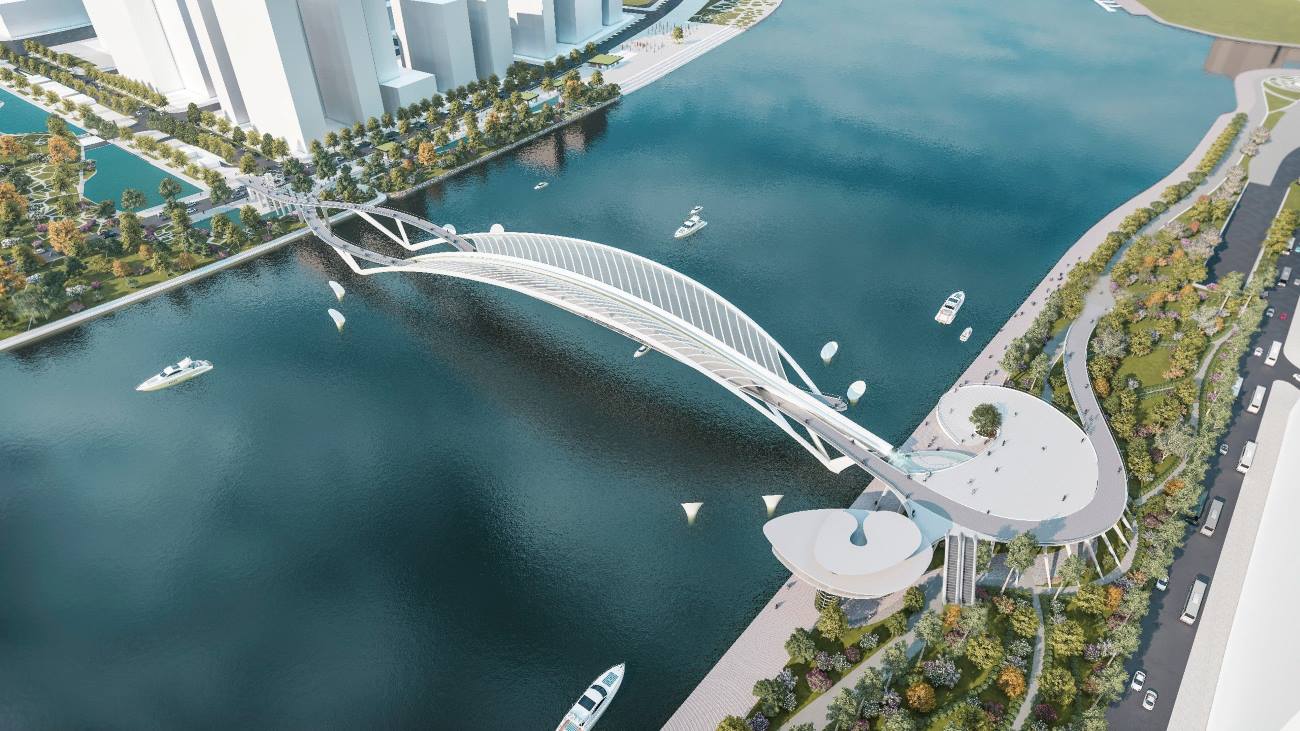
The pedestrian bridge is designed in the shape of water coconut leaves, a typical image of the South, combining traditional features with modern architecture, creating highlights for the central area of Ho Chi Minh City.
The project has open space, increasing visibility and ventilation for pedestrians; and also arranges lanes for bicycles, people with disabilities and can serve ambulances in case of emergency.
With a space steel arch structure, this design is applied for the first time in Vietnam and is expected to create one of the unique pedestrian bridges.
During the design process, the Chodai and Takashi Niwa Architects consortium and Chodai Kisojiban Vietnam calculated factors such as wind, earthquakes, ship collisions... to ensure the safety of the project and meet aesthetic requirements.
When completed, the bridge will not only serve the travel needs between the two banks of the Saigon River but is also expected to become a new public space, increasing access to the riverine landscape and creating more highlights for the central area of Ho Chi Minh City.


