
Vietnam is entering a period of population aging with the fastest rate in the world. While the number of elderly people is increasing rapidly, the birth rate is continuously decreasing deeply in many localities, posing a double challenge to the labor market, healthcare system and social security.
In that context, developing human resources in the geriatrics sector is considered one of the fundamental solutions to ensure the quality of elderly care and reduce pressure on the social security system in the future.
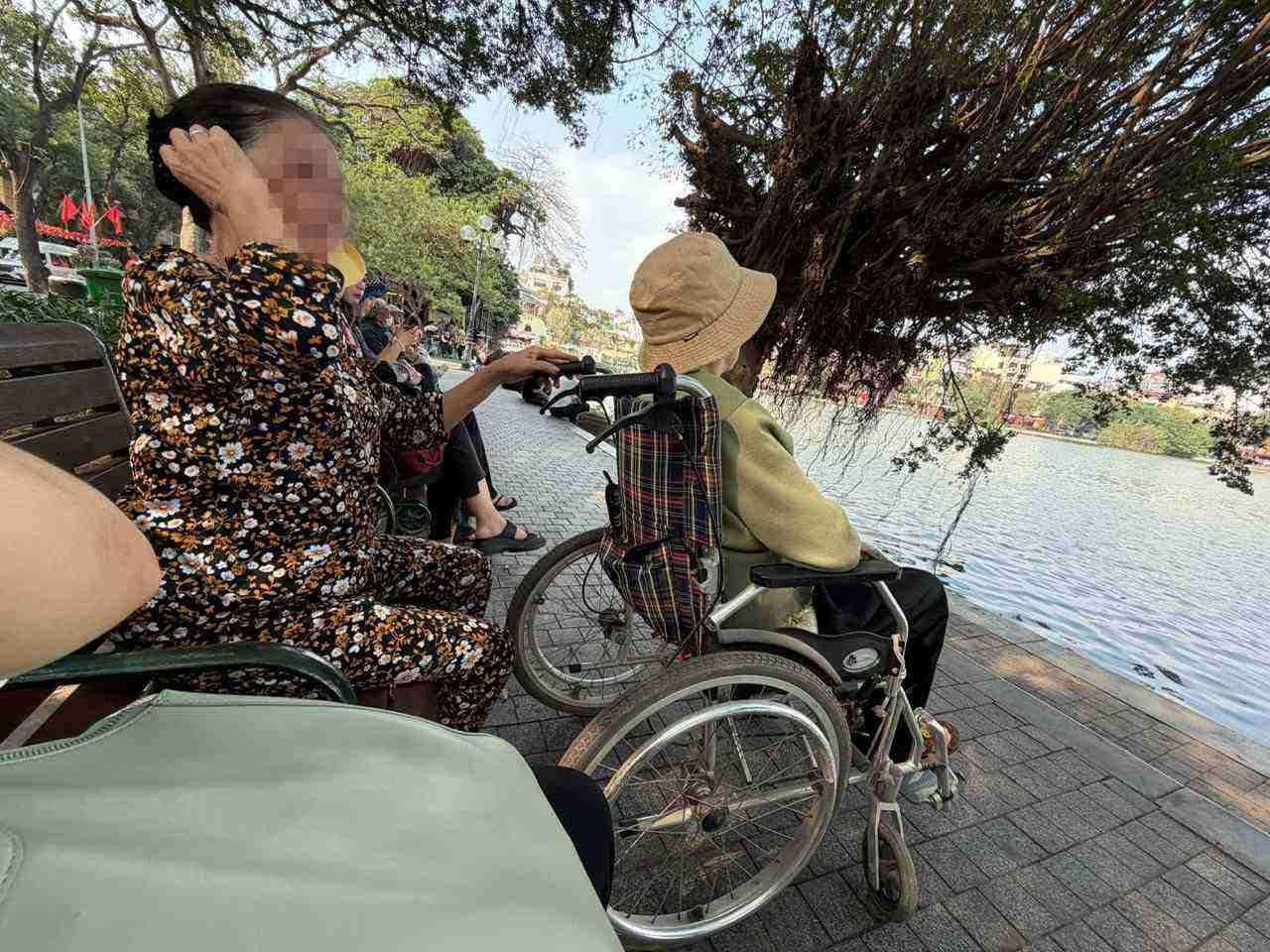
Pressure from population aging, geriatrics human resource shortage at many levels
According to population experts, Vietnam officially entered the population aging phase from 2011. Currently, the number of people aged 60 and over has exceeded 14 million and is forecast to continue to increase rapidly in the coming decades. Meanwhile, the birth rate is trending sharply down in many major provinces and cities.
At many recent specialized conferences, experts all stated that Vietnam is facing the risk of "olding before getting rich", as the rate of aging is faster than the process of accumulating economic resources and completing the social security system.
Population aging not only increases the demand for medical examination and treatment but also entails a very large demand for long-term care, rehabilitation, psychological support and community care for the elderly.
According to Assoc. Prof. Dr. Nguyen Trung Anh - Director of the National Geriatric Hospital, geriatric human resources in Vietnam are currently lacking in both quantity and quality. Many localities do not have enough geriatric specialists, not ensuring the requirements for developing geriatric departments or geriatric beds at provincial-level hospitals. He believes that it is necessary to promote training of doctors, nurses, technicians and social workers specializing in caring for the elderly.
Reality shows that the shortage of nursing personnel is a prominent problem. The need for elderly care is increasing while the young workforce is shrinking due to reduced birth rates. This makes the burden of care still mainly placed on the shoulders of families.
Many years ago, Prof. Dr. Pham Thang - an geriatric expert, warned that the rapid aging rate of the population is leading to a shortage of geriatric doctors, a shortage of geriatric nurses and a shortage of professional caregivers for the elderly. According to him, this is one of the major challenges of the Vietnamese health system.
Not only specialized hospitals, many experts believe that the Vietnamese health system needs to gradually shift from a disease treatment model to a comprehensive health care model for the elderly.
According to Dr. Hoang Tu Anh, Director of the Center for Health and Population Initiatives, the health system is currently only "partially ready" to the pressure of population aging. While the number of elderly people is increasing rapidly, the network of long-term care, preventive care and specialized human resources is still limited.
According to experts, geriatrics human resource training should not be limited to specialist doctors but should be expanded to geriatric nursery, rehabilitation, geriatric psychology, social work and home care. These are areas that will have great demand in the future.
Assoc. Prof. Dr. Tran Dac Phu - former Director of the Department of Preventive Medicine (Ministry of Health), the health system "has begun to be ready" but there is still a large gap compared to actual needs. Although there are policy platforms such as Resolution 72 of the Politburo, the Law on Disease Prevention and the Population Law, "not much has changed because practical requirements are still very large".
One of the prominent challenges is the lack of human resources for elderly care. According to him, this field requires a team that is deeply trained in geriatrics, long-term care and rehabilitation, while the care facility system, especially the model combining nursing and healthcare, is still lacking.
The reality is that we lack both facilities and professional human resources. Elderly care models have not yet developed commensurately" - Assoc. Prof. Phu said.
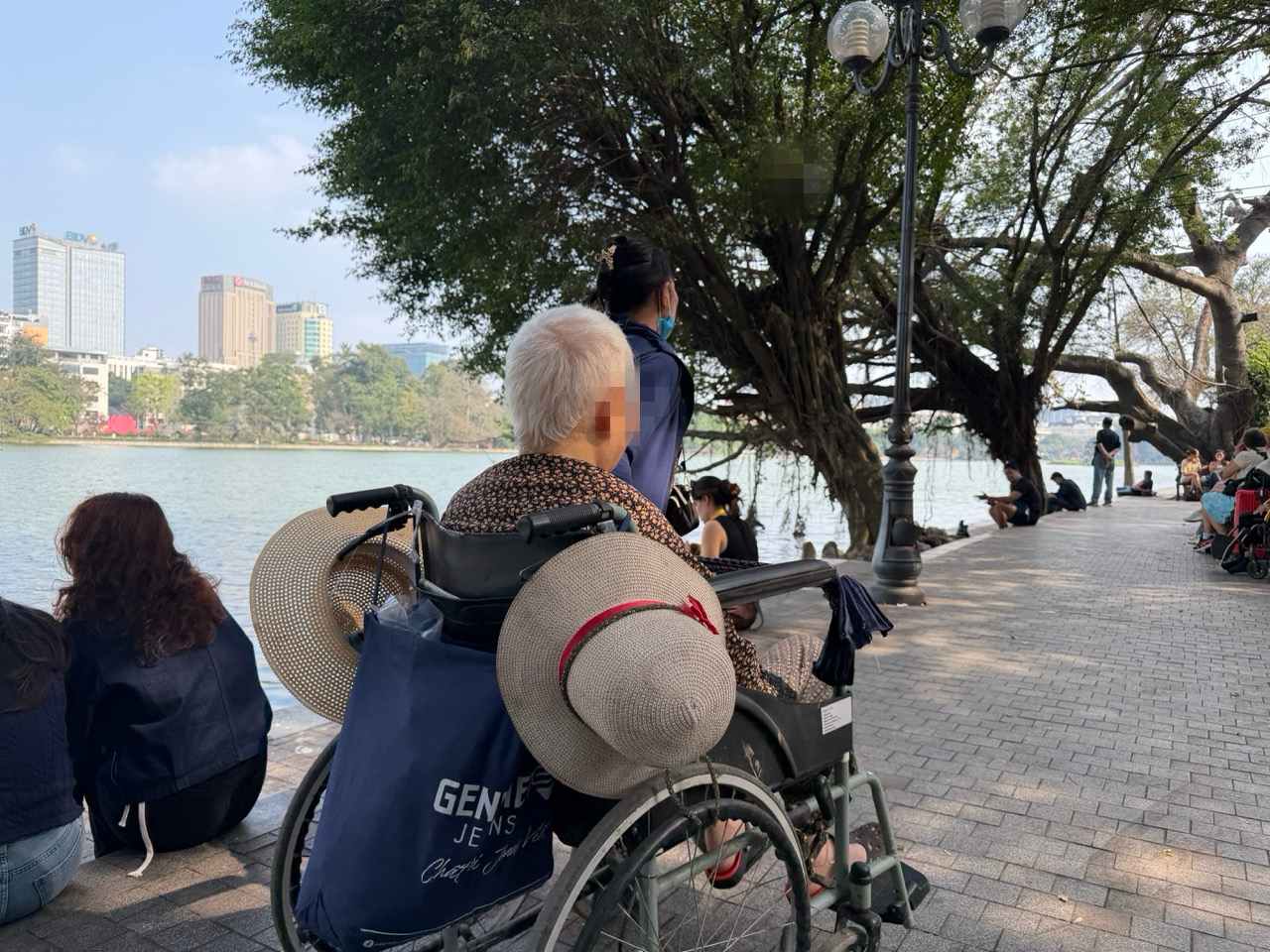
Breakthrough policies are needed to attract human resources
One of the current barriers is that geriatrics is not really attractive to medical students. Meanwhile, the demand for human resources is increasing.
Recently, the Ministry of Health has proposed scholarships and tuition support for geriatrics students to develop human resources for elderly health care. This proposal is included in the draft Population Law as a solution to respond to Vietnam's fastest population aging rate in Asia.
Experts believe that along with training support, it is necessary to build appropriate preferential treatment mechanisms, create clear job opportunities and develop a network of elderly care in the community. Only then can the geriatrics sector attract enough human resources to meet future needs.
Population aging and birth rate reductions not only increase the demand for healthcare but also directly affect labor supply, pension funds and the social insurance system. In the context of the increasing number of elderly people, investing in nursing human resource training is not simply the task of the health sector but also a solution to ensure sustainable social security.
If not prepared early, Vietnam may face a serious shortage of human resources for elderly care in the next one to two decades. Conversely, if there is a systematic training strategy right now, the geriatrics sector will not only contribute to improving the quality of life of the elderly but also create a new job market in the aging economy.


