
Overcoming barriers to old production customs
Ea Trang commune is an area with a large number of ethnic minorities living. The income of the people mainly depends on small-scale agricultural production, while many hamlets are still in particularly difficult circumstances.
In fact, the poverty rate and near-poverty rate in the area are still high, causing no small challenges to improve people's lives.
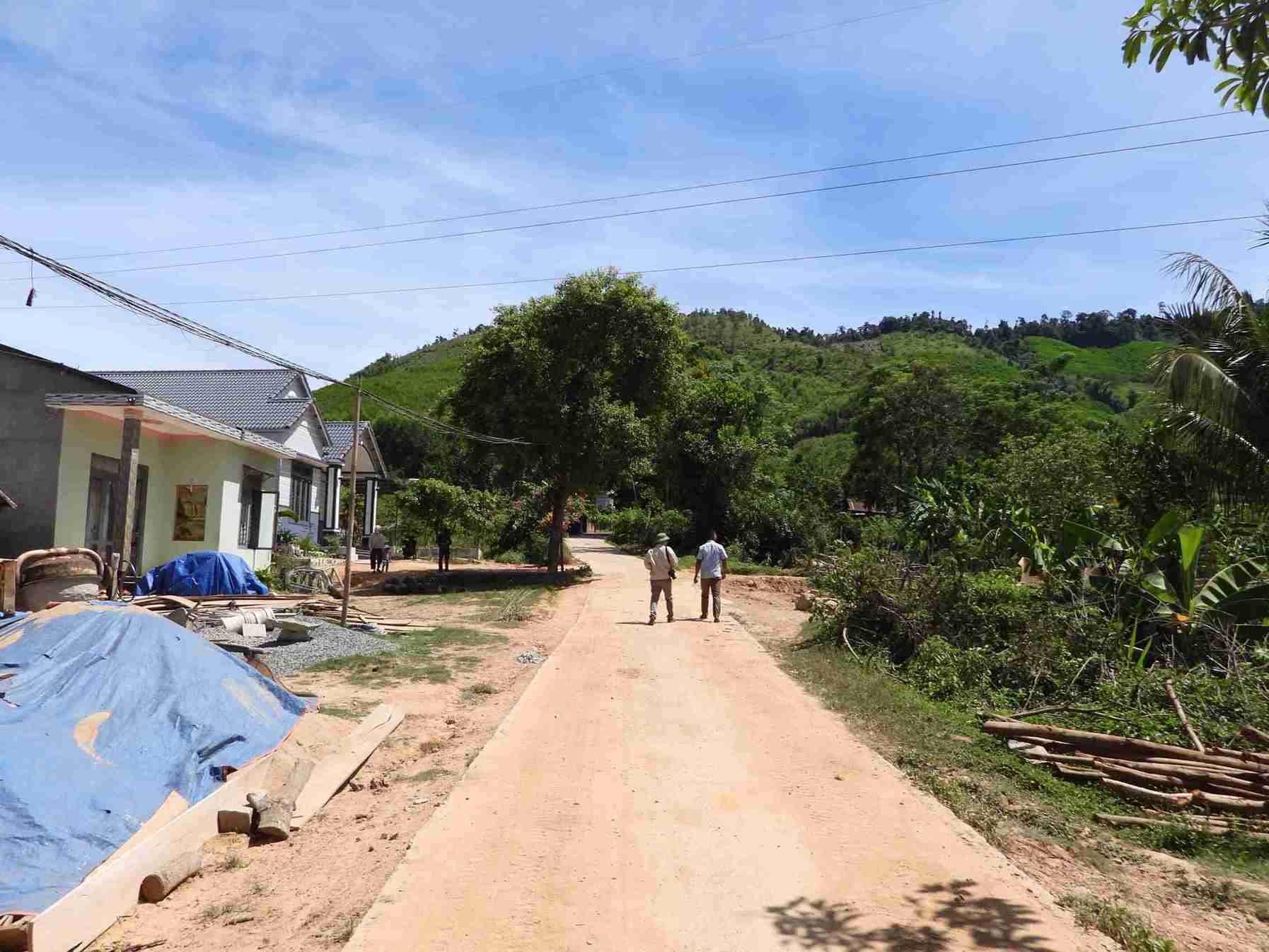
In that context, vocational training is identified by the locality as one of the important solutions to create livelihoods, increase income and promote rural economic development.
However, mobilizing people to participate in vocational training classes is also facing many difficulties.
According to Mr. Y Ket Nie (born 1966, residing in Ea Trang commune), the long-standing production habits of local people are still a significant barrier in the process of accessing new production models.
Many households are still familiar with traditional farming methods, so they are not bold enough to apply scientific and technical advances to production and animal husbandry.
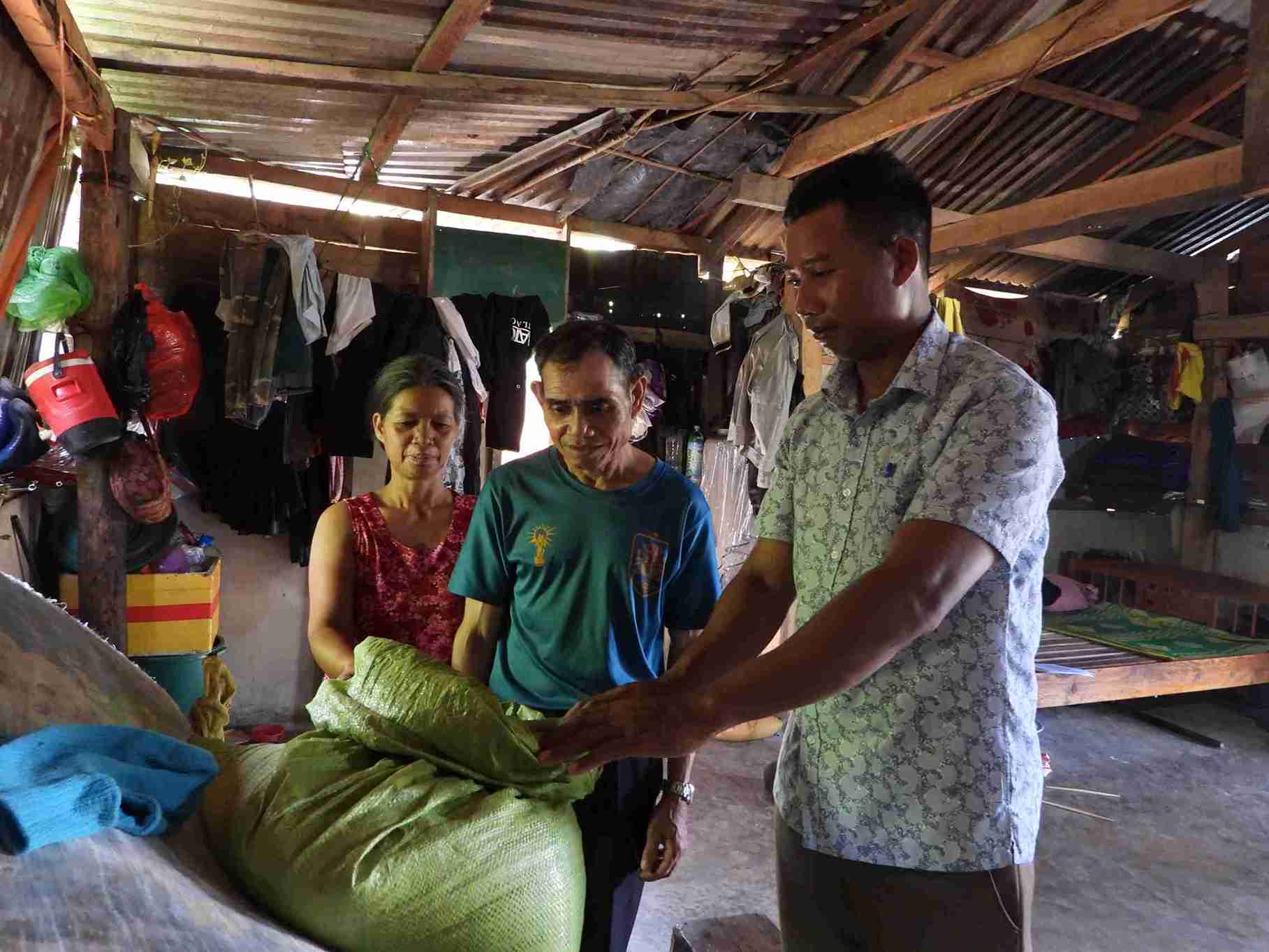
Mr. Y Ket's family used to be a poor household with about 7 sao of cultivated rice fields. Although they always wanted to improve their lives, due to their old age and children living separately, production mainly depended on the weather.
Therefore, crop yield and income are often unstable. From the reality of his family, Mr. Y Ket understands the difficulties that many elderly people are facing in the process of changing production methods.
If you want to escape poverty, you must learn new things. I always encourage my children and grandchildren to actively study, access new knowledge and boldly change their way of doing business to create a better future," Mr. Y Ket shared.
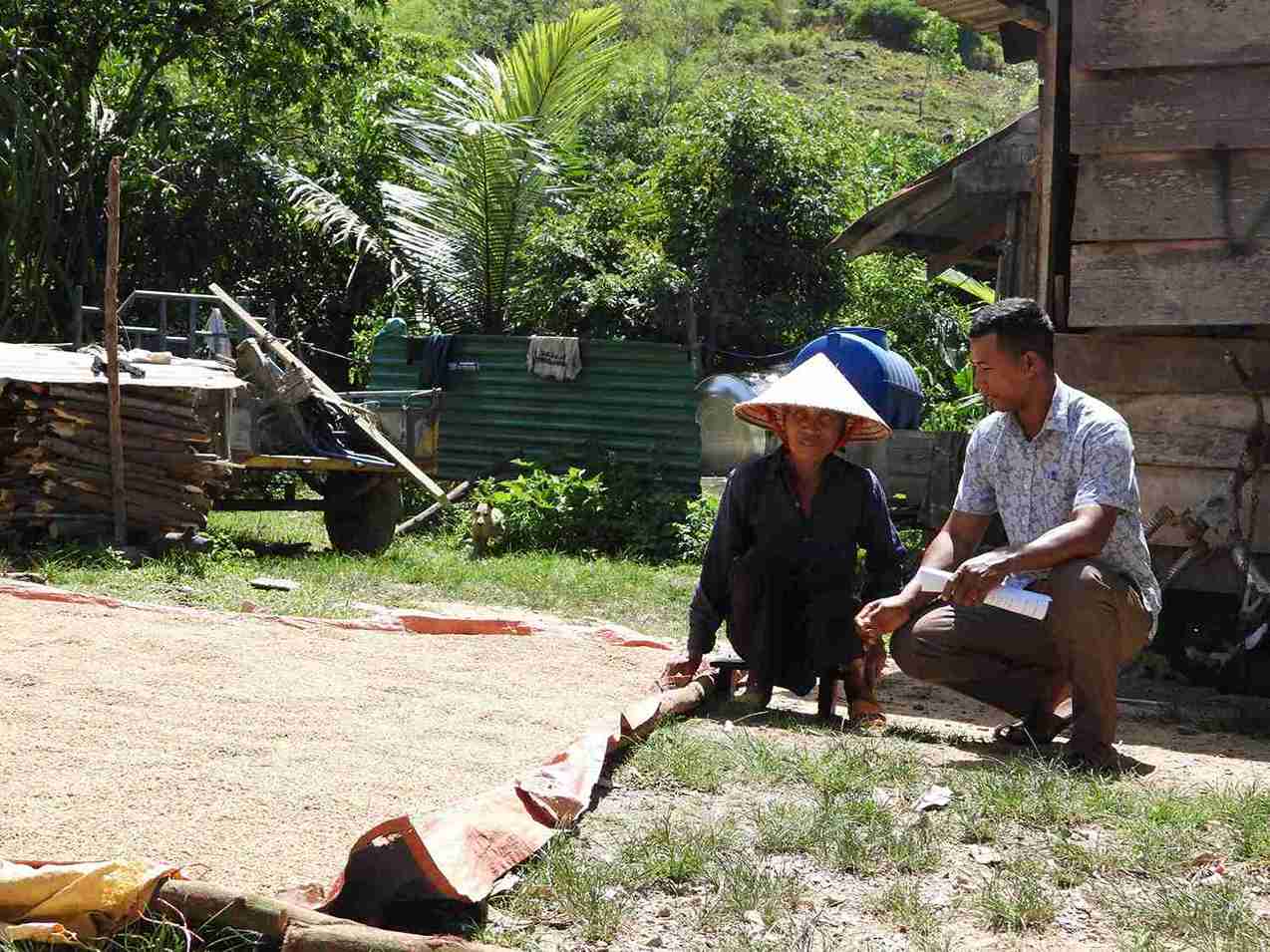
Ms. H Ne Mlo (resident of Ea Trang commune) said that this year she is nearly 60 years old and her familiar job is just farming and weaving baskets. Her family has been a poor household for more than 10 years.
I always encourage my children and grandchildren when they reach adulthood to try to learn a profession to make a living. The whole family cannot live in poverty forever.
Thanks to the local government's propaganda and mobilization to change our mindset and ways of doing things, my husband and I have gradually become more open and approached new production methods. I hope my children will be independent and have stable jobs to build a better life," Ms. H Ne expressed.
Opening up job opportunities, towards sustainable poverty reduction
From the resources of the National Target Program for socio-economic development of ethnic minority and mountainous areas in the period 2021 - 2030, Ea Trang commune is promoting vocational training and job creation for rural workers.
From now until the end of 2026, the locality plans to open one more pig farming class and one civil sewing class in 4 hamlets in the area.
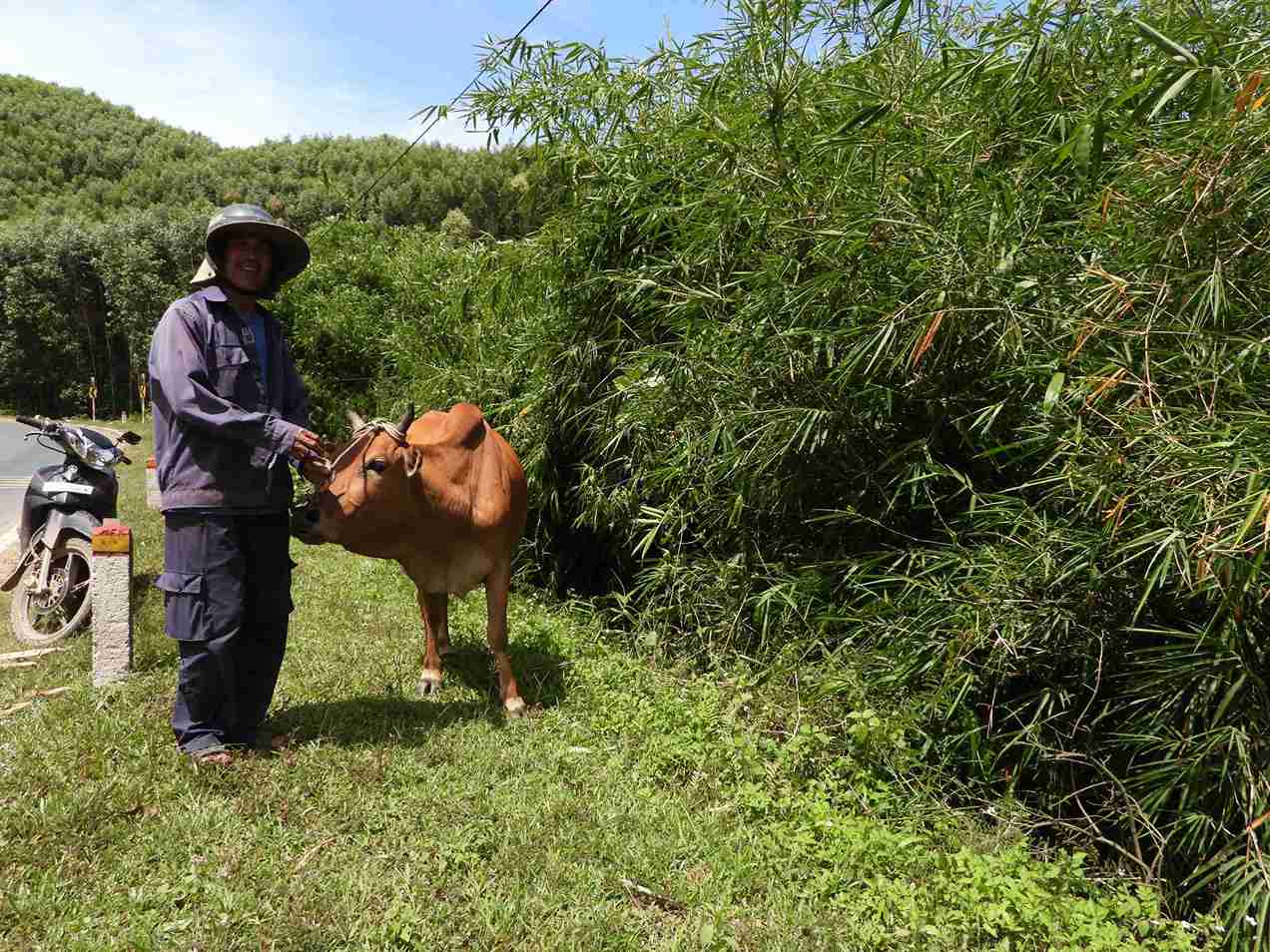
To make vocational training classes effective, before deployment, the Culture and Social Department of Ea Trang commune has assigned officials to coordinate with villages and hamlets to survey the actual needs of people. At the same time, promote mass mobilization and propaganda about the benefits and meaning of vocational training for ethnic minorities.
Through this, vocational training classes are organized closely to actual needs, contributing to improving the effectiveness of project implementation under the National Target Program.
According to Mr. Nguyen Thanh Vinh, Chairman of Ea Trang Commune People's Committee, in addition to vocational training, the locality also supports the connection of labor supply and demand, provides information on the job market and creates conditions for workers to work in industrial parks or participate in programs to send workers to work abroad for a fixed term.
Persistently implementing vocational training for ethnic minorities not only helps people equip themselves with professional knowledge and skills but also opens up many job opportunities at businesses and factories inside and outside the locality.
In the first 5 months of 2026, the Dak Lak Provincial Employment Service Center has coordinated with the People's Committee of Ea Trang commune to organize 6 counseling sessions, conferences and job transaction sessions for nearly 500 people in 10 villages and hamlets, including: Ea Bra, Ea Boa, M'Gom, M'Hap, M'Lia, Thi, M'O, M'Jam and some neighboring areas.

Through these activities, many rural workers, especially ethnic minorities, have accessed recruitment information, career orientation and suitable job opportunities, contributing to creating stable livelihoods and promoting sustainable poverty reduction in the locality.


