
Overcoming difficulties in finding martyrs' identities
For many months, functional units of Gia Lai province have been working hard to implement the "Operation 500 days and nights to promote the search, repatriation and identification of remains of martyrs who are still missing information", with the desire to soon find the names of heroic martyrs who fell for the independence and freedom of the nation.
The tasks of reviewing and standardizing data, collecting samples, digitizing information, and handing over samples of martyrs' remains for DNA testing, along with the search and repatriation of martyrs' remains at home and abroad, were deployed synchronously and closely.
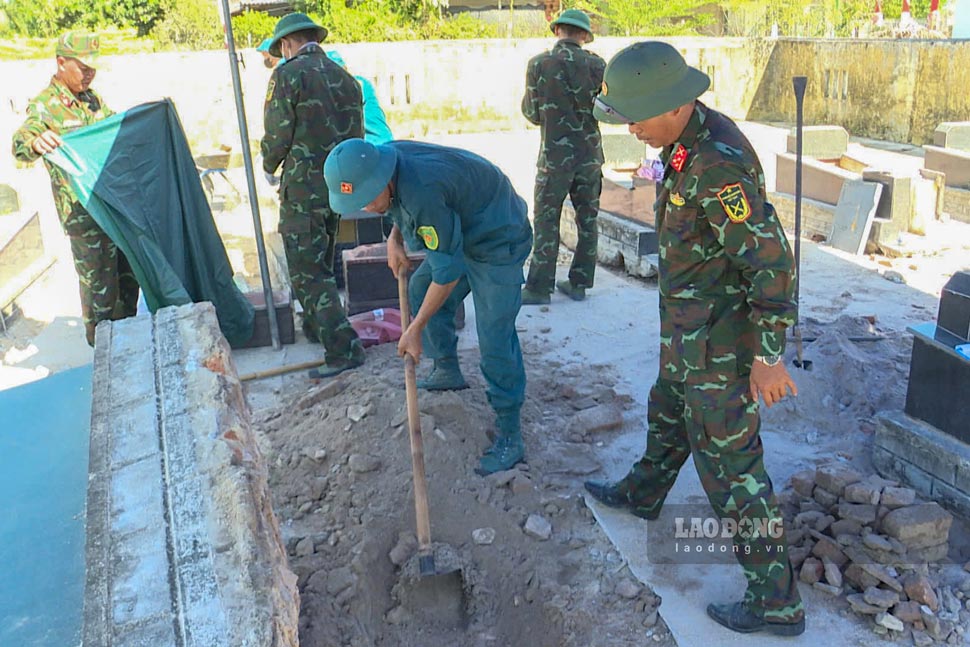
However, the implementation process still faces many difficulties. After many years, terrain and artifacts in many areas have changed; information sources serving the search are increasingly scarce; many historical witnesses are old and their health has declined, so the information provided is no longer complete. Many remains have been collected and buried many years ago, under the impact of natural conditions, so sampling is even more difficult.
However, with drastic involvement, so far the province has completed surveys, reviews, and inventories at 119 martyrs' cemeteries; inventoried, compared and updated data for 41,999 martyrs' graves, including 18,116 graves with full information, 11,832 graves with partial information, and the rest are graves without information.
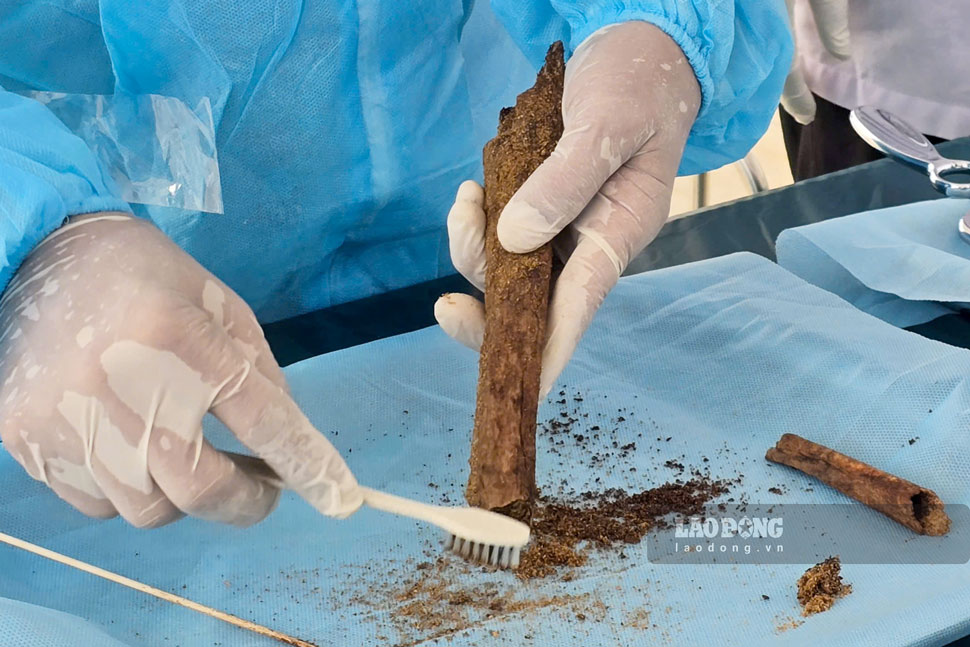
By July 18, the units had excavated at 19 martyrs' cemeteries, of which 13 cemeteries completed taking samples. The total number of graves excavated is 2,860, of which 1,857 samples are eligible, 1,003 samples are not eligible; 1,566 samples have been handed over to the Military Forensic Institute (Ministry of National Defense).
According to the Steering Committee for searching, repatriating and identifying martyrs' remains of Gia Lai province, although information sources are increasingly limited and many areas have undergone major changes after the war, the quality of surveys and verifications has gradually improved. The application of databases and information comparison has contributed to improving search efficiency, limiting widespread deployment and effective use of resources.
Those who search for names for martyrs
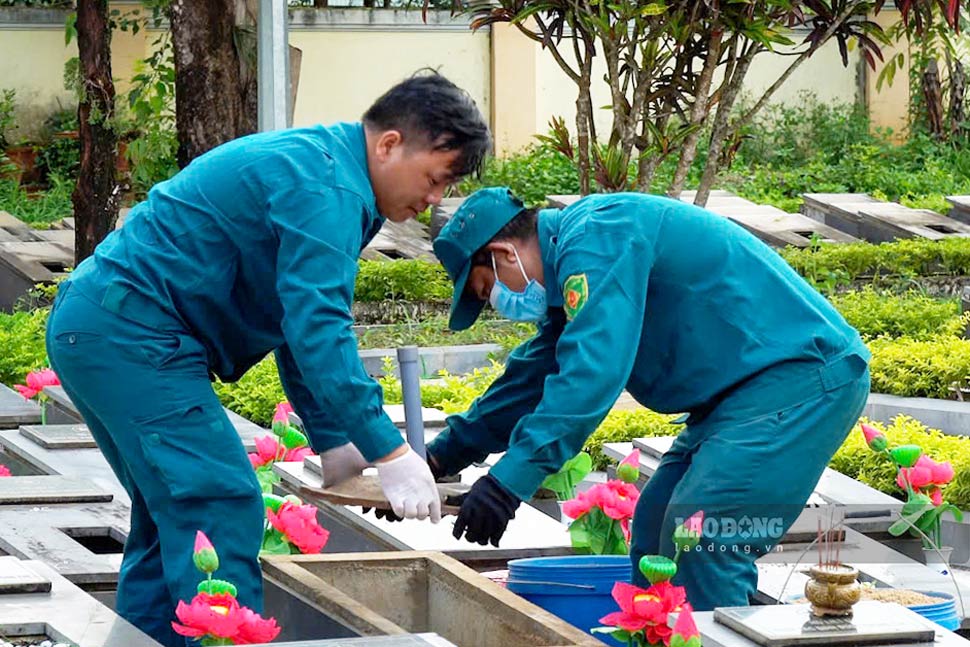
From early morning, at Duc Co Martyrs' Cemetery (Duc Co commune), military, medical and local government task forces urgently coordinated to carry out excavation, sampling, recording, digitizing information and restoring graves. With more than 1,500 graves whose identities have not been identified, this is the cemetery with the largest workload in the province.
According to Dr. Nguyen Thi Thu Ha - Duc Co Commune Health Center, for many health workers, this is the first time performing this special task. "The first time taking samples was a bit shaky, but then gradually got used to it. Whether it's sunny or rainy, the brothers try to overcome it to complete the task," Dr. Ha shared.
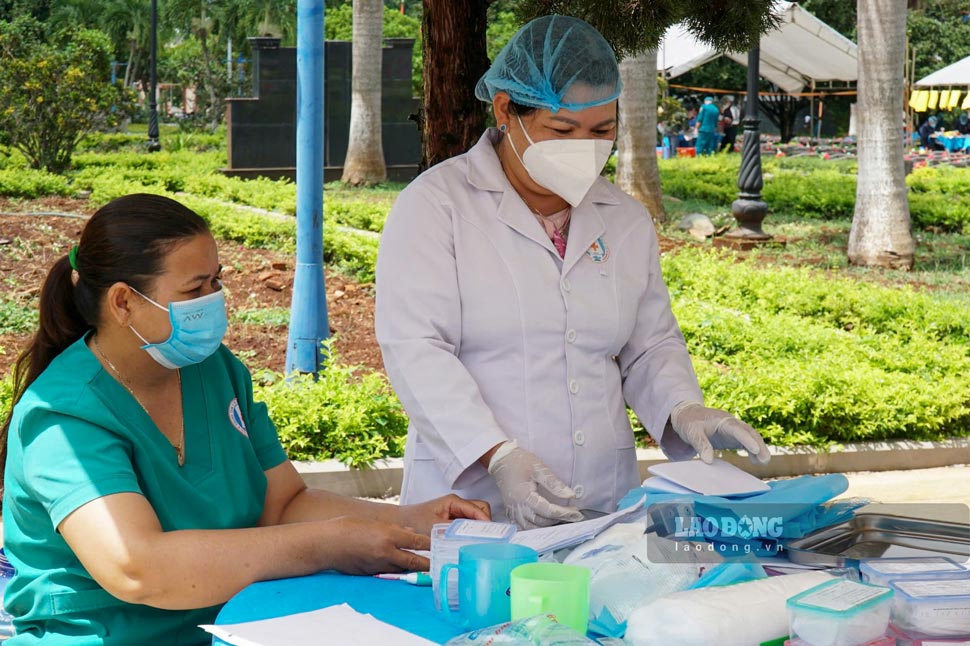
Along with the medical force, many militia soldiers also participated in taking samples of martyrs' remains for the first time. At martyrs' cemeteries, young soldiers shared the determination to try their best to contribute to bringing the martyrs back to their names and families after decades.
Mr. Dang Hoang Buu - Platoon Leader of the Standing Militia of Binh Hiep commune - said that this is the first time he has participated in the task of taking martyr remains samples. Despite the hot weather, the whole team still strives to work with the desire to contribute to early identification of martyrs.
When excavating the graves, many remains after a long time were no longer intact. We try to find more artifacts to support DNA testing, thereby increasing the opportunity to identify the uncles," Mr. Buu said.
According to Colonel Pham Van Dat - Deputy Political Commissar of Gia Lai Provincial Military Command, the requirement is not only to complete the progress but also to ensure the highest accuracy, with the goal of finding the names of heroic martyrs.
Although this is a new task, unprecedented and very specific and difficult, officers, soldiers and staff directly taking samples all promote a high sense of responsibility, ensuring the set progress," Colonel Pham Van Dat said.
Each DNA sample taken is an additional opportunity to identify the martyr's identity; each successful examination result is another family reconnected after decades of waiting for news.
For Gia Lai, a land that was once a fierce battlefield, where there are still thousands of martyrs' graves that have not been identified, levels, sectors and armed forces are making efforts every day to bring the martyrs back to their families and homeland.


