
A series of projects such as renovating and upgrading the capacity of pumping stations, building regulating lakes, drainage culverts... are among 12 emergency drainage and flood prevention projects of Hanoi City that construction units are urgently implementing the final items.
In the Cau Nga 3 pumping station area, many important items have been completed such as pouring concrete for the bottom foundation, concrete for the top floor of the discharge tank and the bottom lining concrete layer. Currently, the construction unit is focusing on installing equipment for the pumping station with a capacity of 4m3/second, and at the same time deploying a system of pipes, suction tanks and restoring the ground to be ready for operation.
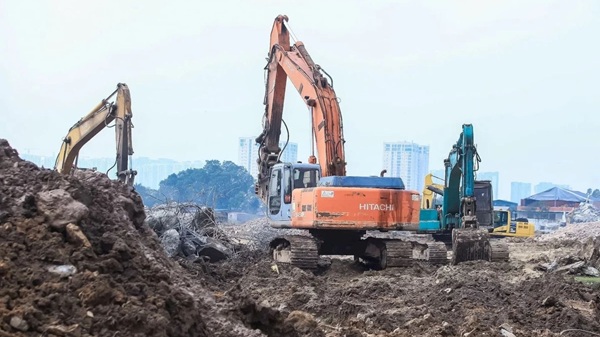
When Cau Nga 1 pumping station and Bac An Khanh pumping station (both with a capacity of 4m3/second) go into operation, the flooding situation in the Thang Long Avenue area is expected to be fundamentally resolved.
Recorded at the Phu Do regulating lake construction investment project, one of the works implemented under the city's emergency order plays an important role in the drainage system in the western Hanoi area. The project is large-scale, with a water surface area of about 31.5 ha, total construction land area of about 33.71 ha.
To date, the locality has handed over more than 356,500 m2 of land to the construction unit, reaching over 97% of the project area. The total investment of the project is about 800 billion VND for some items, and more than 1,165 billion VND for the entire project from the city budget. The land use scale is more than 367,500 m2, of which the water surface area accounts for more than 315,000 m2. The project also includes a system of embankments, walking paths, green trees and lawns, contributing to completing the urban landscape.
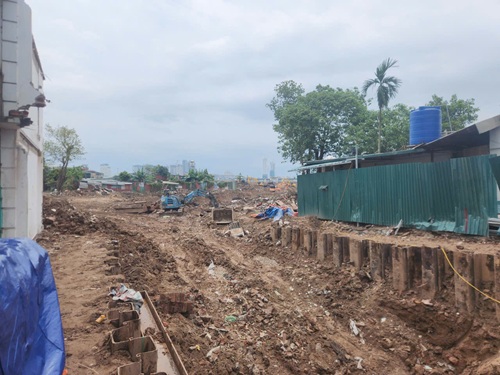
According to the plan, the project is expected to be completed in the fourth quarter of 2026. When put into use, the project will enhance drainage capacity, regulate flow, reduce the load on the existing infrastructure system, thereby limiting prolonged flooding in the Me Tri area and surrounding areas. At the same time, the project also contributes to improving the water environment, creating ecological space, and improving the quality of life of people.
Currently, units are accelerating the construction progress of many important items, striving to complete some tasks before April 30 to promptly promote efficiency in this year's rainy season.
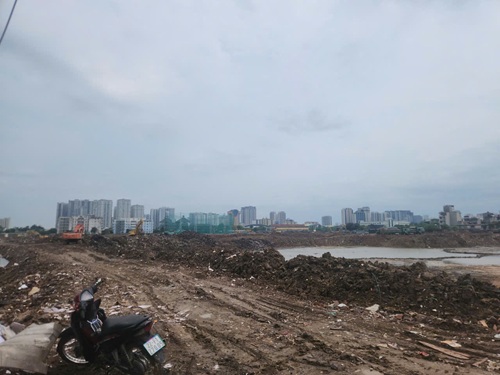
In parallel with construction, site clearance work continues to be promoted with close coordination between the government and people. The results achieved to date not only show the determination of the locality but also show that social consensus is a key factor in ensuring project progress.
According to representatives of Tu Liem Ward People's Committee, the project involves more than 400 households, of which about 260 households have agricultural land and 140 households have works on land. Many households have proactively declared, coordinated inventory, and relocated assets, contributing to removing "bottlenecks" in site clearance work.
Because it is an emergency project, the local government has proposed to apply a number of specific compensation mechanisms to ensure the legitimate rights of the people, and at the same time meet the progress requirements. The compensation and support plan is publicly posted for people to follow and contribute opinions; functional agencies also organize dialogues and complete the plan in accordance with regulations.
Tu Liem Ward People's Committee has organized many direct dialogues, publicly disclosing information on planning, land acquisition scope, compensation, support and resettlement policies. Opinions and recommendations are all received and explained transparently.
At the same time, the government resolutely handles cases of violations of land and construction order. The enforcement of the remaining cases is carried out in accordance with regulations, ensuring safety and stability of the situation.
According to the leader of Tu Liem Ward People's Committee, this is a necessary step to thoroughly handle backlog violations, create a clean ground to implement the Phu Do regulating lake project on schedule, contributing to fundamentally solving the flooding problem of the Capital.


