
On the morning of July 13, units and localities in Lao Cai province simultaneously launched a peak period of collecting DNA biological samples of relatives of unidentified martyrs.
The peak period lasts until July 15, in order to supplement data to serve the search, comparison and identification of martyrs' remains that lack information.
In Lao Cai ward, the Ward People's Committee coordinated with Collection Team No. 2, Lao Cai Provincial Police to collect DNA biological samples for 721 relatives of martyrs.
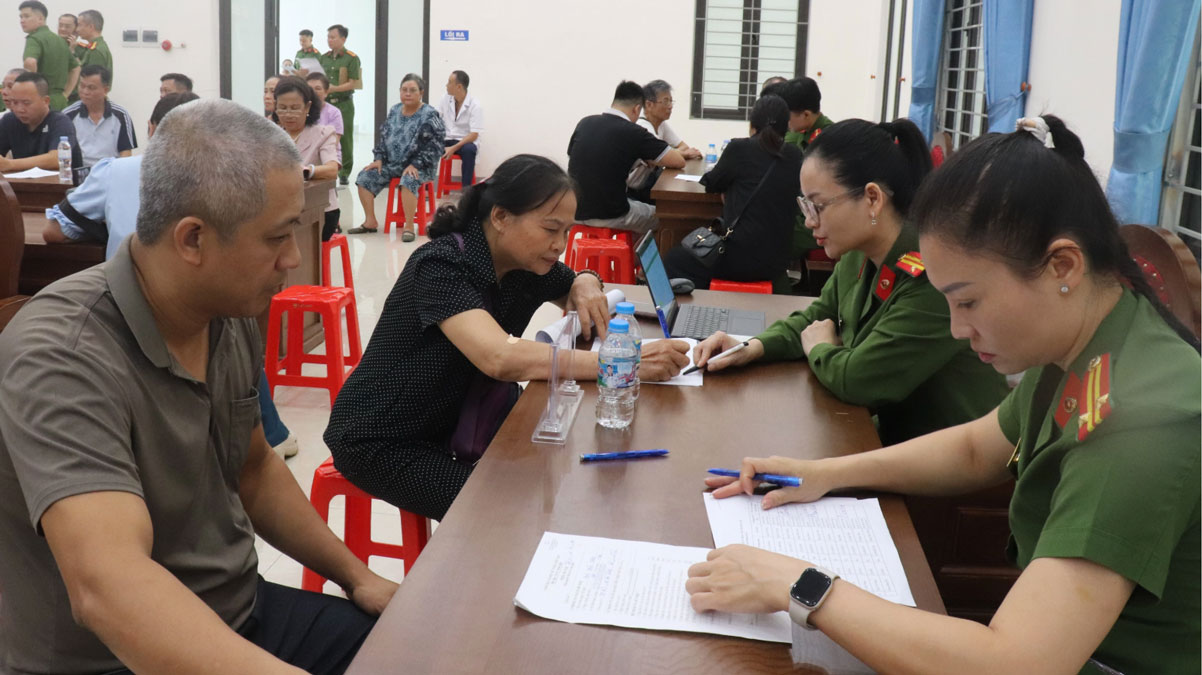
The collection point is located at the Military Command of Lao Cai Ward, serving relatives of martyrs from 31 communes and wards in the province.
From early morning, a large number of relatives of martyrs were present to complete procedures and take biological samples.
Police officers and soldiers directly guide people to declare, check dossiers and collect samples according to procedures. In Lao Cai ward alone, it is expected that more than 100 biological samples of relatives of martyrs will be collected.
Meanwhile, in Nghia Lo ward, Collection Team No. 3, Lao Cai Provincial Police coordinated with functional forces to collect samples for relatives of martyrs in 15 communes and wards.
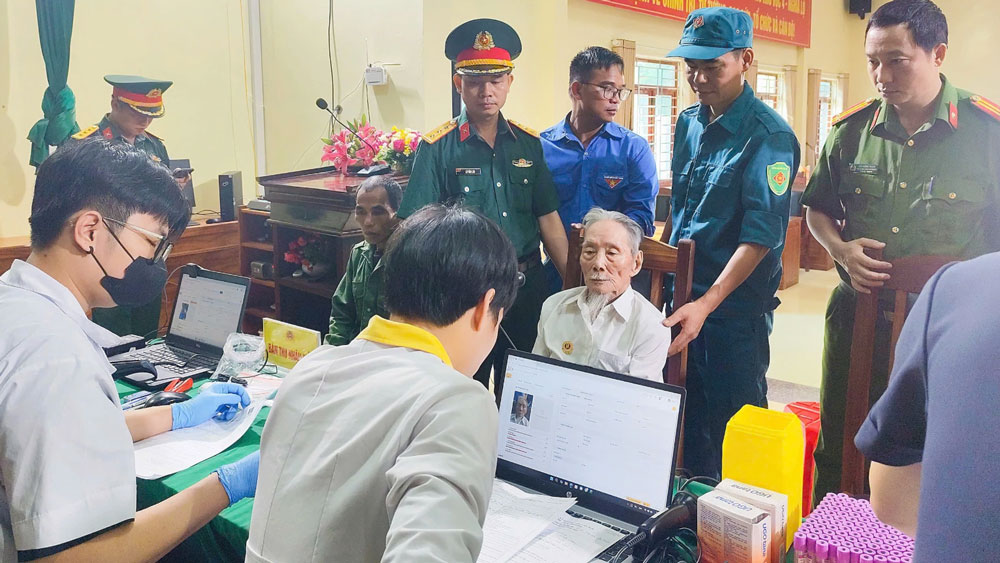
According to the plan, the collection point at Area 4 Defense Command will serve more than 580 relatives of martyrs.
The sampling area is divided into stages, from welcoming, guiding dossier declaration to collecting biological samples using specialized equipment.
For elderly relatives with weak health who cannot directly go to the gathering location, functional forces organize to go to their homes to support sampling.
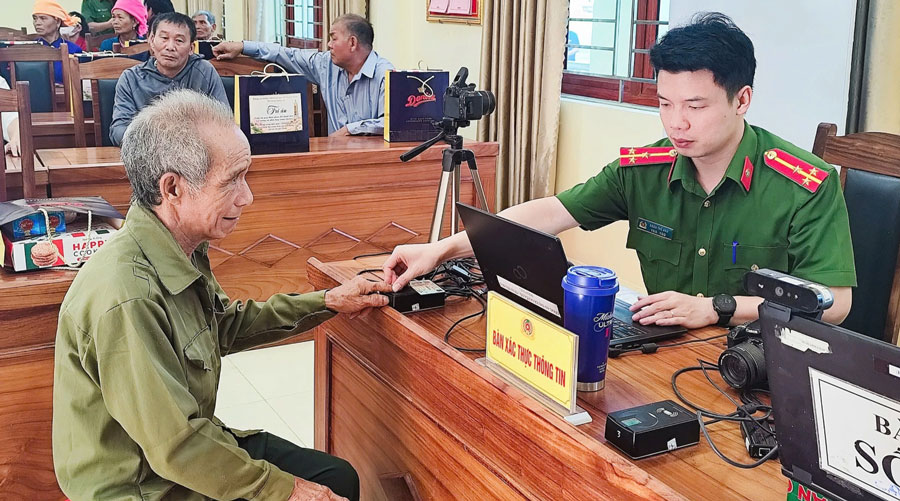
Sampling is carried out in order of priority based on blood relatives. In which, cases with direct, closest relatives to martyrs such as biological mothers, maternal grandmothers, brothers, sisters with the same mother are prioritized first, then expanded to other relative groups to serve data comparison work.
Along with taking DNA samples from relatives of martyrs, in Luc Yen commune, functional forces have completed taking samples of remains of unidentified martyrs at the commune martyrs' cemetery to serve DNA testing.
Accordingly, 110 martyrs' graves that have not been identified were tested for biological samples. Through the implementation process, functional forces took samples of remains at 37 graves; the remaining graves could not be sampled.
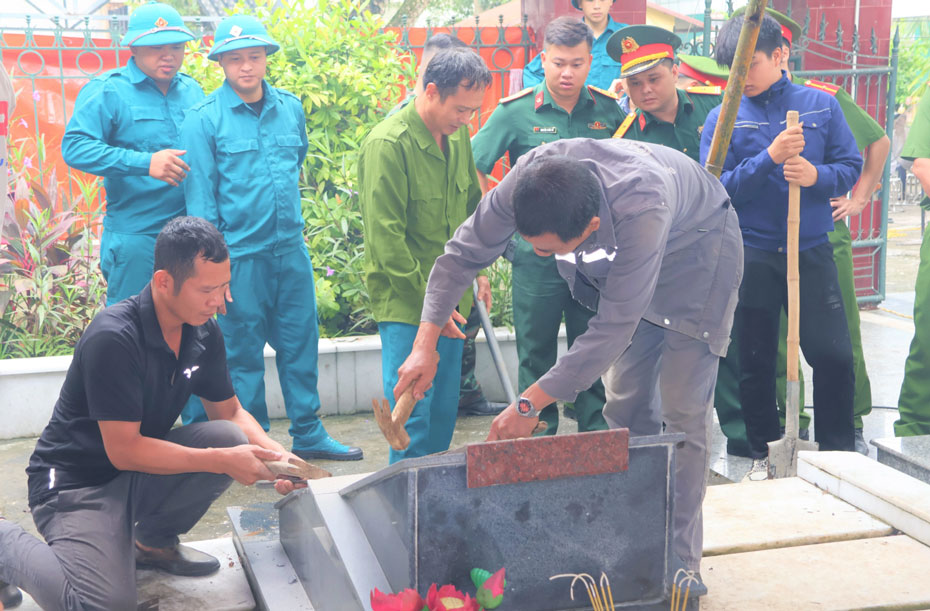
The sampling process is carried out according to strict technical procedures. From checking dossiers, identifying graves, opening graves, taking samples to sealing, making records and handing over samples are all coordinated by forces.
After receiving samples, dossiers are completed, handed over and transported to serve DNA testing and comparison.
The development of DNA data of relatives and the examination of remains are expected to contribute to speeding up the process of identifying missing martyrs.
Each collected biological sample is not only data for testing but also carries the hope of families who have waited for many years to identify the identity and resting place of their sacrificed loved ones.


