
Unlike the bustling atmosphere of the early days of the holiday, recorded on May 1st, Tan Son Nhat airport was quite airy. It is expected that on this day, the airport will welcome nearly 100,000 passengers with operating indicators at a stable level.
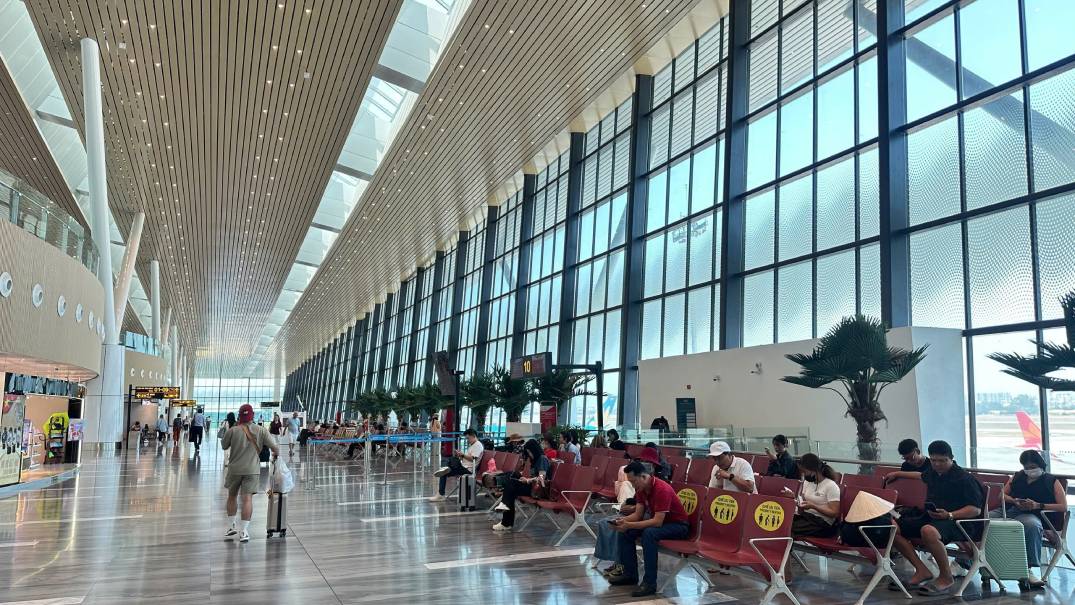
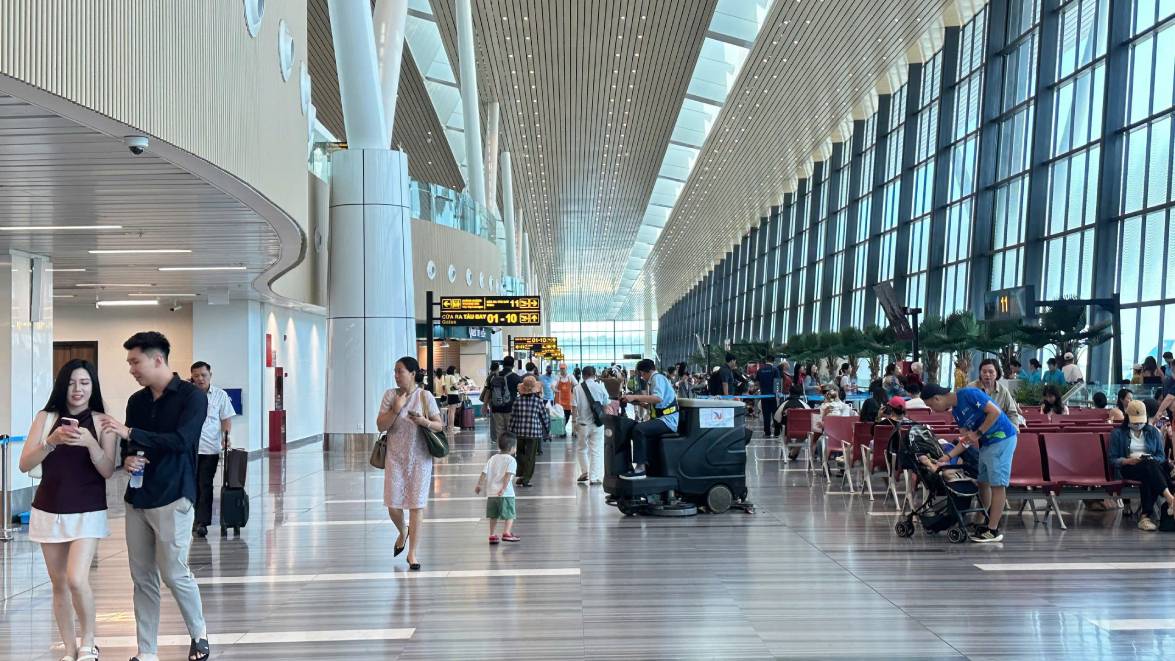
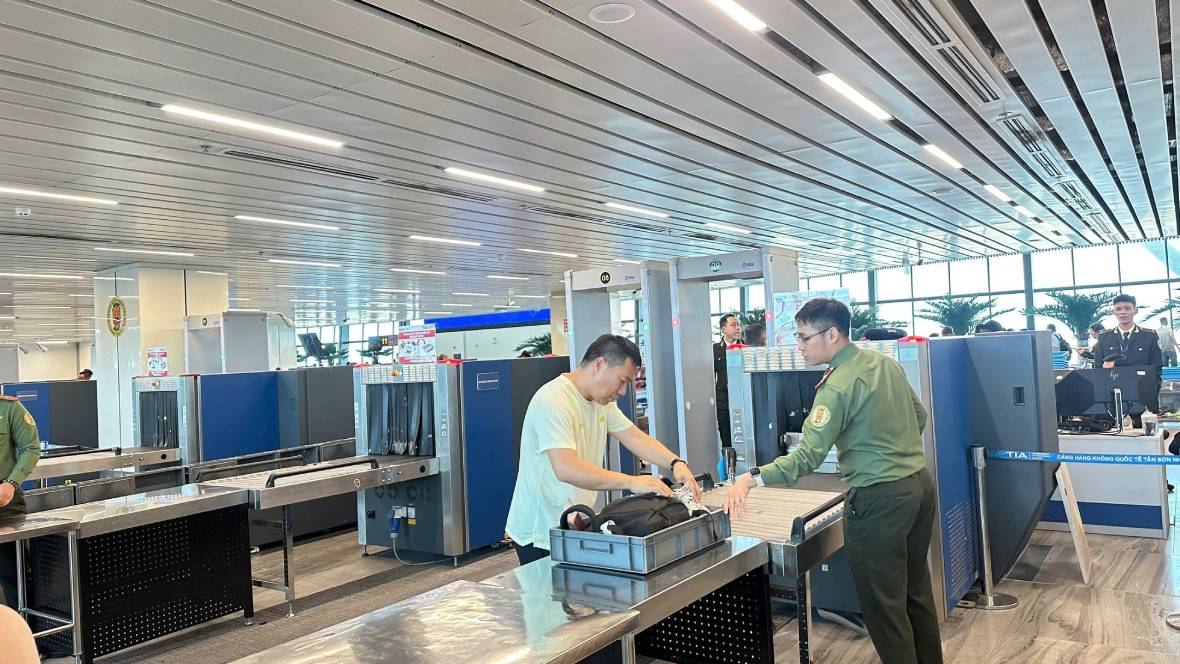
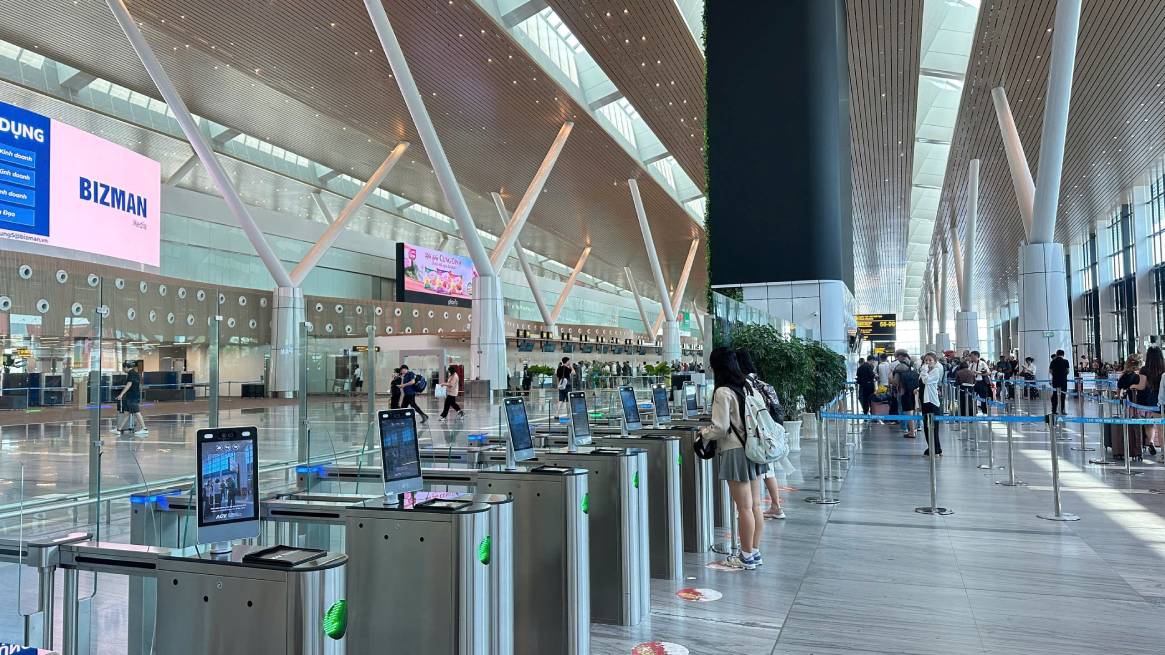
According to the operating plan from Tan Son Nhat Airport Operation Center on May 1, 2026, transport pressure at the port has cooled down significantly compared to the starting period of the holiday. In the terminal lobby and airport gateway areas, traffic and order are maintained stably, passengers move conveniently, no longer congestion or long queues. People do not have to spend too much time completing check-in procedures or security checks.
This openness is clearly shown through specific operating data. On May 1, the airport is expected to serve a total of 98,969 passengers. Notably, the number of arrivals reached 53,060 people, starting to be higher than the number of departures (45,909 people).
Regarding flight frequency, the total number of flights expected on May 1st reached 658 flights. Of which, the majority are 633 passenger flights; the rest include 13 cargo flights, 7 non-passenger (ferry) flights and 5 private jet flights.
Although May 1st recorded clear skies, this is considered a necessary break before the airport enters a peak period to welcome people back to the city after the holidays.
It is forecasted that the greatest pressure will fall on May 3rd. On this day, passenger volume is expected to reach 130,000 arrivals with an exploitation frequency of up to 770 flights. In general, during the peak service period, the airport welcomes an average of about 125,000 passengers per day.
To ensure the best service for passengers on the day ending the holiday, Tan Son Nhat International Airport continues to maintain high-level security plans and strengthen traffic regulation. At the same time, the aviation industry encourages people to proactively prioritize using online check-in methods (Web/Kiosk check-in) and coordinate to carry out security checks using biometric technology to make the process of moving through the port as convenient and fast as possible.


