
Increase the proportion of doctors, reduce the poverty rate
The Resolution of the 1st Gia Lai Provincial Party Congress, term 2025-2030, identifies the main growth pillars. In which, developing tourism to truly become a spearhead economic sector based on sea advantages, mountain and forest ecology, cultural heritage of the Central Highlands; Champa culture; revolutionary historical culture; traditional art forms, traditional martial arts; promoting community tourism development.
Gia Lai Provincial Party Committee determines to focus on developing a strong processing and manufacturing industry, becoming a pillar of the economy based on advantages in labor and agriculture; effectively exploiting economic zones and industrial parks, especially National Highway 19 and Quy Nhon - Pleiku expressway; creating breakthroughs in renewable energy industry, forming a renewable energy center of the region.
At the same time, the Gia Lai provincial government is building a concentrated raw material area model, improving the key product value chain of the province; forming a logistics center from Le Thanh International Border Gate to Quy Nhon port.
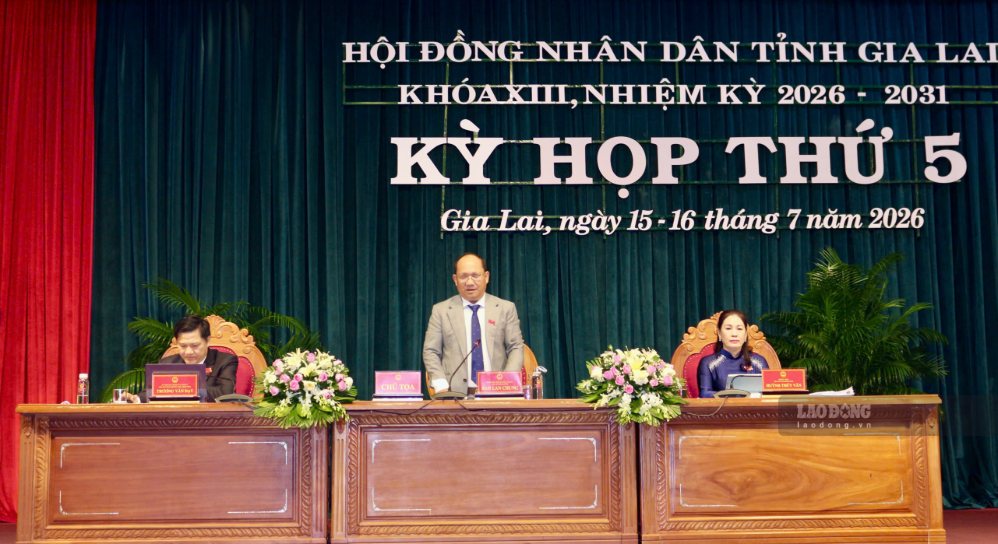
The Resolution of the Gia Lai Provincial Party Congress advocates strongly innovating development thinking, shifting from a management model to a constructive government, serving people and businesses. Building a streamlined and strong 2-level local government apparatus; improving the investment, business and innovation environment.
The Resolution sets out the target for the growth rate of gross regional domestic product (GRDP) in the province in the period 2025-2030 striving to reach 10-10.5%/year. By 2030, total budget revenue in the province will reach 41,000 billion VND. Total export turnover in the period 2026-2030 will reach over 17 billion USD.
By 2030, Gia Lai strives to welcome 18.5 million tourist arrivals, including 1.1 million international visitors. By 2030, there will be 20 businesses/1,000 people.
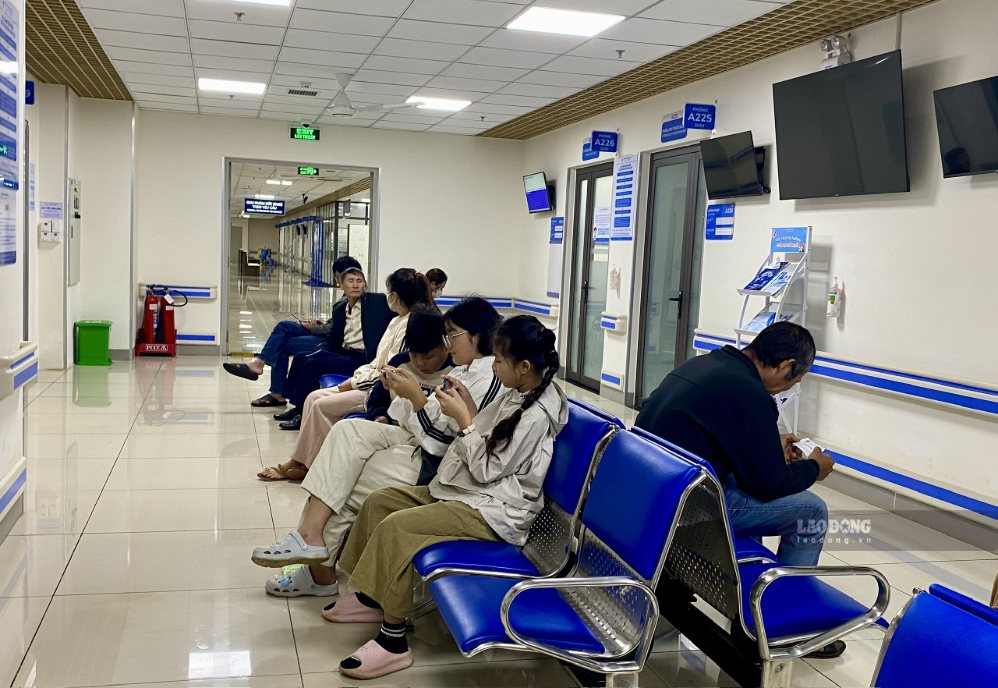
Gia Lai also strives to reduce the poverty rate below the national average. The rate of people participating in social insurance compared to the population reaches 98%. By 2030, strive to reach 10.5 doctors/10,000 people and 36.4 beds/10,000 people. The number of completed social housing units is over 11,800 units.
Gradually realizing the goals of the Resolution
To implement and bring the Resolution into life, Gia Lai Provincial People's Committee and localities are making efforts to disburse public investment capital, implement renewable energy planning, and invite investors in various fields to meet growth needs.
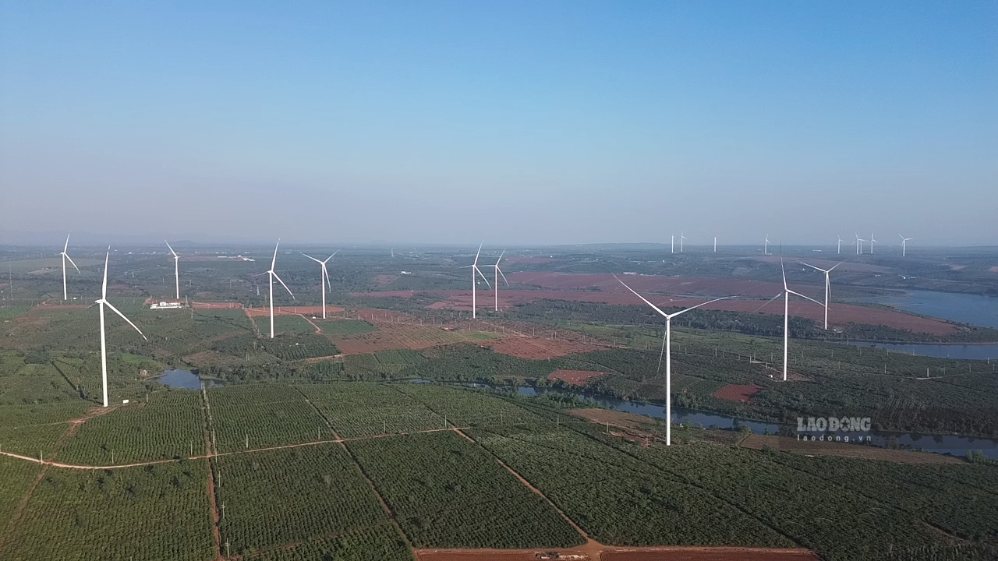
Regarding energy, according to statistics from the Gia Lai Provincial Department of Industry and Trade, implementing the Adjustment of Power Plan VIII for the 2026-2030 period, Gia Lai is allocated to develop 110 power source projects with a total capacity of 5,501 MW. Currently, the province has been and is implementing 91 projects with a total capacity of about 4,924 MW, reaching nearly 90% of the total capacity allocated according to the plan.
It is expected that in the period 2026-2030, there will be 53 power source projects connected to 220 kV or more grid lines with a total capacity of 4,334 MW and 68 projects connected to 110 kV grid lines with a total capacity of 1,185 MW in the province, contributing to ensuring national energy security and power supply for production and business activities of factories and workshops in the area.
As for the livestock sector, according to statistics from the Provincial Department of Agriculture and Environment, livestock projects are mainly concentrated in the western part of the province with more than 232 projects, a total area of more than 7,337 hectares, and a total construction investment of nearly 40,600 billion VND.
With the above number of projects, Gia Lai is currently leading the country in attracting investment in industrial-scale pig farms. Currently, the provincial government is focusing on developing large-scale farm farming models, applying high technology, ensuring disease safety, food safety, environmental protection and linking according to the value chain.
Thousands of hectares of stunted, underdeveloped rubber land in the province are also oriented and encouraged businesses to switch to implementing high-tech livestock projects, actively contributing to socio-economic development. For sustainable development, Gia Lai prioritizes using bad land, barren land, far from residential areas to expand livestock breeding, and at the same time focuses on developing in 7 key livestock breeding areas that have been planned.
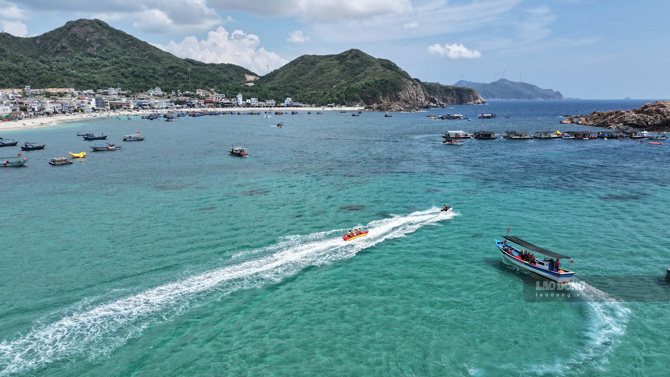
Regarding tourism, Gia Lai focuses resources on upgrading and diversifying experiences and strengthening tour and route links at many typical tourist destinations. Among them, products that are focused on include fishing village cultural experiences in Nhon Ly, Nhon Hai; agricultural tourism in Thuan Nghia vegetable village; eco-tourism and culture associated with forest and stream landscapes in K3 village (Vinh Son commune), along with Plei Op villages (Pleiku ward), Ia Nueng (Bien Ho commune), Kep (Ia Ly commune), Mo Hra - Dap (To Tung commune)...
Mr. Pham Anh Tuan - Member of the Party Central Committee, Chairman of Gia Lai Provincial People's Committee - requested the tourism industry to set a goal of shifting from spontaneous exploitation to developing professional services, thereby bringing tourists profound experiences about life and local culture.
Each locality in the province needs to strive to develop at least one community tourism model based on its own advantages in resources and cultural identity. At the same time, the province also requires preserving cultural identity from coastal to mountainous areas in tourist villages, not overcommercialising, affecting traditional cultural values.


