According to the latest research results report of the Project on controlling emissions of vehicles in Ho Chi Minh City, the project development unit proposed to postpone the establishment of a belt to limit gasoline vehicles to the center until 2027, instead of implementing it from 2026 as previously proposed.
Gradually forming a low-emission zone from 2027
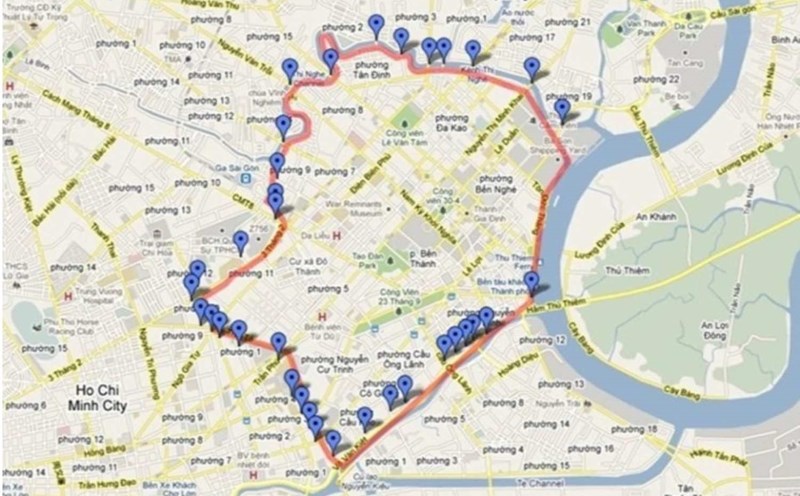
From January 1, 2027, low-emission zones (LEZ 1) will be established and implemented in some central areas of the city. LEZ 1 is limited by 15 bridges and 20 main roads, to control vehicles with high emissions.
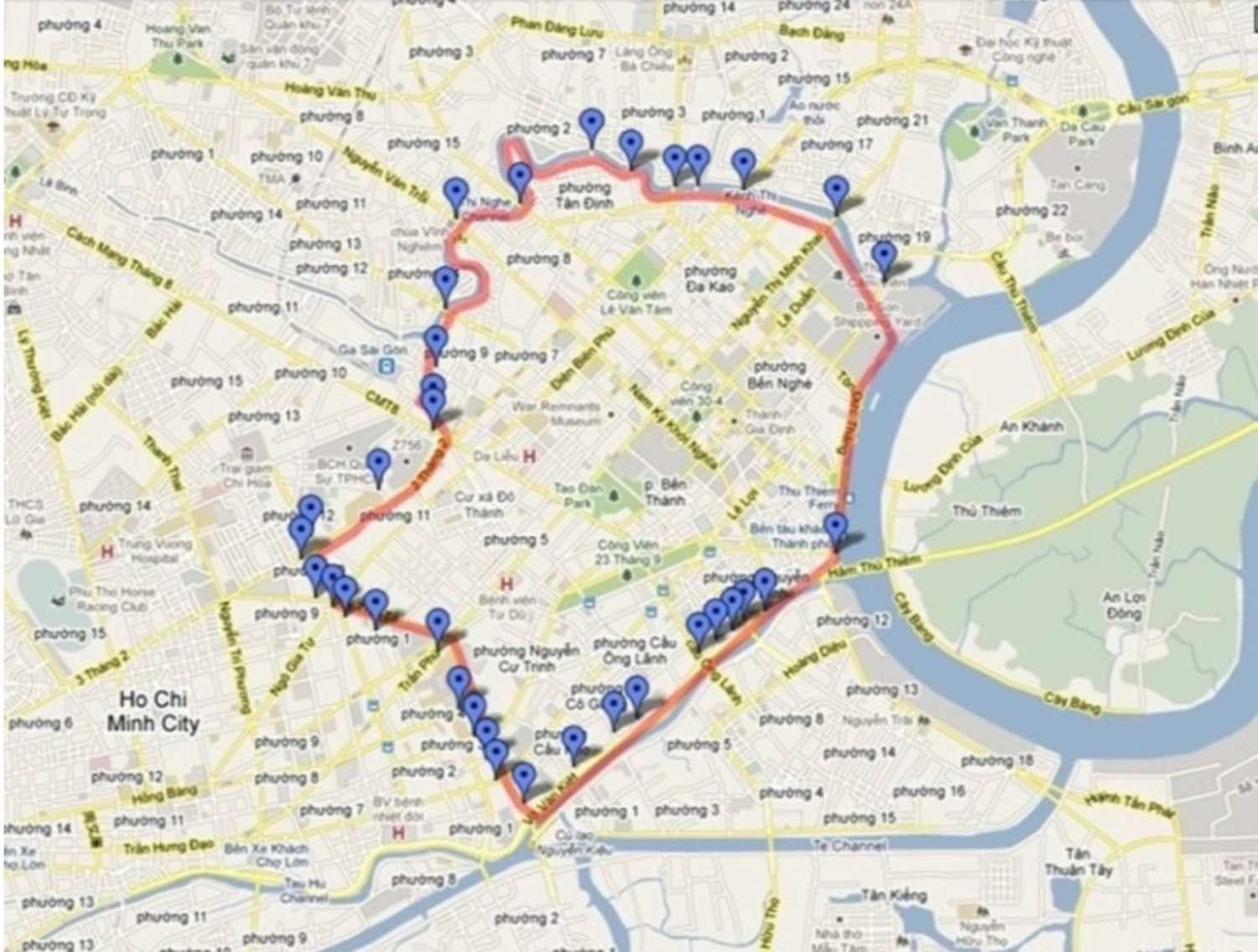
At the same time (from January 1, 2027), fees will be collected for cars that do not meet Level 4 emission standards when traveling in LEZ 1 region.
Some exempted vehicles include: Ambulances, fire trucks, national defense and security vehicles, specialized vehicles for funerals, dyke protection vehicles and motorbikes for agriculture and forestry.
Gradually tightening motorbikes and cars that do not meet emission standards
From September 1, 2027, motorbikes and mopeds below Level 2 emission standards will be banned from entering LEZ 1 during the two peak hours of 6:00 - 9:00 and 16:00 - 19:00, except for vehicles for people with disabilities.
By January 1, 2028, the measure will be tightened when:
- Prohibit motorbikes and mopeds using fossil fuels from entering LEZ 1.
- Prohibit cars below Level 4 emission standards from entering this area during rush hour.
At the same time, the city applies a roadmap to improve emission standards for cars:
- From January 1, 2027, cars manufactured in the period of 2017 - 2022 must meet Level 4 emission standards.
- From January 1, 2028, cars manufactured from 2022 onwards must meet Level 5 emission standards when participating in traffic in Ho Chi Minh City.
Expanding the low emission zone to Ring Road 1 from 2030
According to the project, from January 1, 2030, a low-emission zone LEZ 2 will be established in the Ring Road 1 area, surrounded by Pham Van Dong - Nguyen Thai Son roundabout - Bay Hien - Huong Lo 2 intersection - Nguyen Van Linh routes.
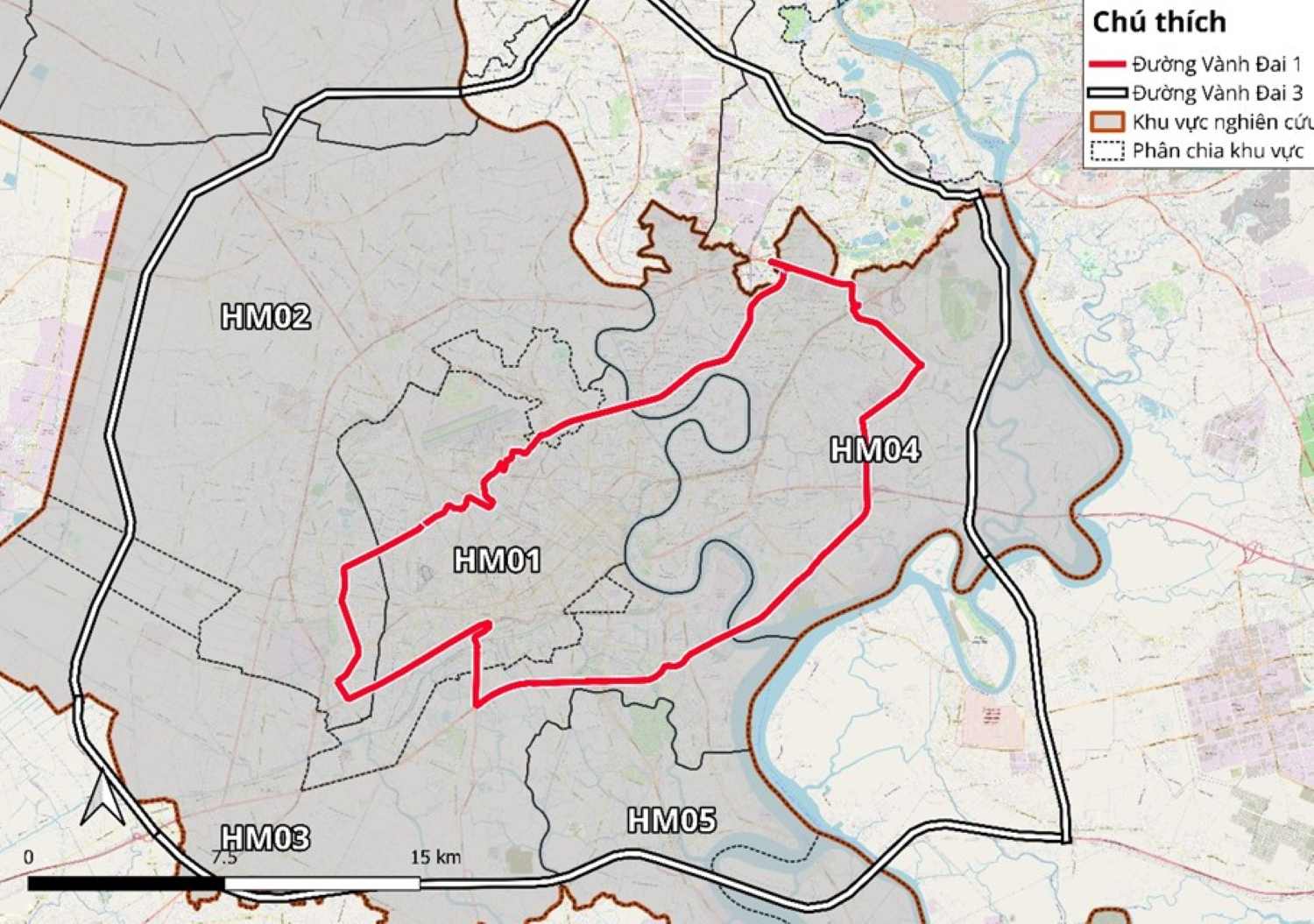
At the border between LEZ 1 and LEZ 2, the city will:
- Prohibit motorbikes and mopeds from using fossil fuels during rush hour.
- Completely prohibit cars below Level 4 emission standards from circulating in LEZ 1.
- Collecting fees for cars that do not meet Level 4 when traveling across the border of two regions, except for priority vehicles as prescribed.
Roadmap for completely banning high-emission vehicles after 2031
From January 1, 2031, motorbikes and mopeds using fossil fuels will be banned from entering LEZ 2; at the same time, cars under Level 4 emission standards will be banned during peak hours.
By January 1, 2032, it is expected to completely ban cars below Level 4 emission standards from circulating in LEZ 2 and collect fees for cars using remaining fossil fuels, except for cases exempted according to regulations.
In addition to the central area, the project also proposes to soon deploy green transportation conversion solutions in Con Dao and Can Gio.
In Con Dao, the goal is to basically complete the conversion of gasoline and diesel vehicles to green electric and energy vehicles by the end of 2026, except for trucks of 2 tons or more and some special vehicles.
For Can Gio, from July 1, 2026, cars below Level 4 emission standards will be restricted from circulating on the Rung Sac route from Binh Khanh ferry to Can Thanh.
By January 1, 2029, 100% of road vehicles traveling in Binh Khanh, An Thoi Dong, Can Gio and Thanh An communes must use clean energy, green energy, and environmentally friendly.