
Financial efficiency improved thanks to flexible management
According to the announcement of Vietnam Airlines (stock code: HVN), consolidated revenue in 2025 reached more than 121 trillion VND, an increase of 10% compared to the same period; after-tax profit reached 7,713 billion VND. The amount paid to the state budget reached 3,286 billion VND, an increase of 5% compared to the same period in 2024.
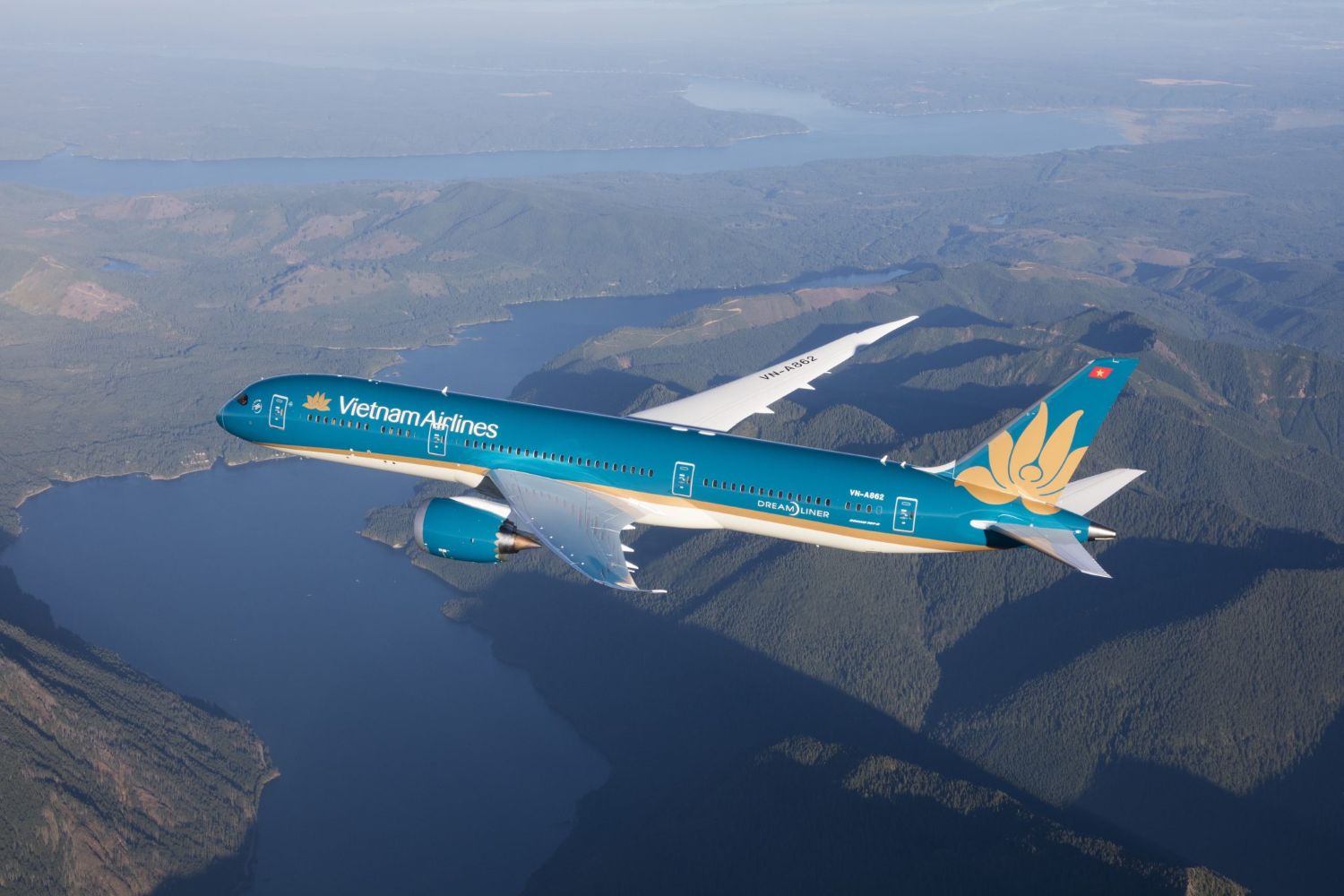
In addition to financial indicators, the scale of operations also recorded double-digit growth. In 2025, the airline operated 156.3 thousand flights, transporting 25.64 million passengers, cargo volume reached 344 thousand tons, increasing by 11.8%; 12.7% and 10% respectively compared to the same period last year. The rate of increase in output higher than the increase in flights shows that the seat occupancy rate has improved, contributing to improving the operational efficiency of the aircraft fleet.
Positive results continue to be maintained in the first two months of 2026. Accumulated, consolidated revenue is estimated at nearly 23,500 billion VND; pre-tax profit reached more than 2,570 billion VND, equivalent to more than 62% of the year plan. The parent company recorded revenue of nearly 18,780 billion VND and pre-tax profit of more than 2,030 billion VND.
According to businesses, profit improvement comes not only from production growth but also from tightening operating discipline and restructuring the flight network towards focusing on high-efficiency markets. The airline strengthens data-based operations, optimizes operating frequency, controls costs and cash flow management to improve profit margins in the context of fluctuating input costs.
Expanding international flight network associated with long-term investment strategy
Based on the record results of 2025, entering 2026, Vietnam Airlines sets a target of transporting 29.07 million passengers, an increase of 13.2% compared to the previous year, and at the same time increasing the number of rotating seats by about 13%. In the context that the Asia-Pacific market continues to maintain its growth momentum, the enterprise identifies the focus as maintaining operating discipline, optimizing costs and improving operational efficiency instead of expanding widely.

In 2026, Vietnam Airlines is expected to continue to expand the scale of its international flight network. Previously, 2025 recorded the largest scale of international flight network expansion ever for the airline, with 14 new international routes opened and reopened, connecting Vietnam with markets in Europe, Northeast Asia, the Middle East and Southeast Asia.
Mr. Le Hong Ha, General Director of Vietnam Airlines, said: "2025 marks a remarkable development in production and business as Vietnam Airlines simultaneously improves operational efficiency, improves profit margins and expands the scale of domestic and international flight networks. This result affirms the position of the National Airlines in leading the domestic market and enhancing regional competitiveness. On that basis, we identify international flight network development not only as a business strategy, but also as a responsibility to contribute to strengthening the country's connectivity infrastructure, expanding development space, strengthening regional links and promoting Vietnam's deeper integration with economic, cultural and tourism centers of the world.
To realize its growth goals, Vietnam Airlines recently signed a contract to purchase 50 Boeing 737-8 aircraft worth 8.1 billion USD. The deal is considered a strategic step to modernize the fleet, increase operational flexibility and optimize fuel costs in the long term.
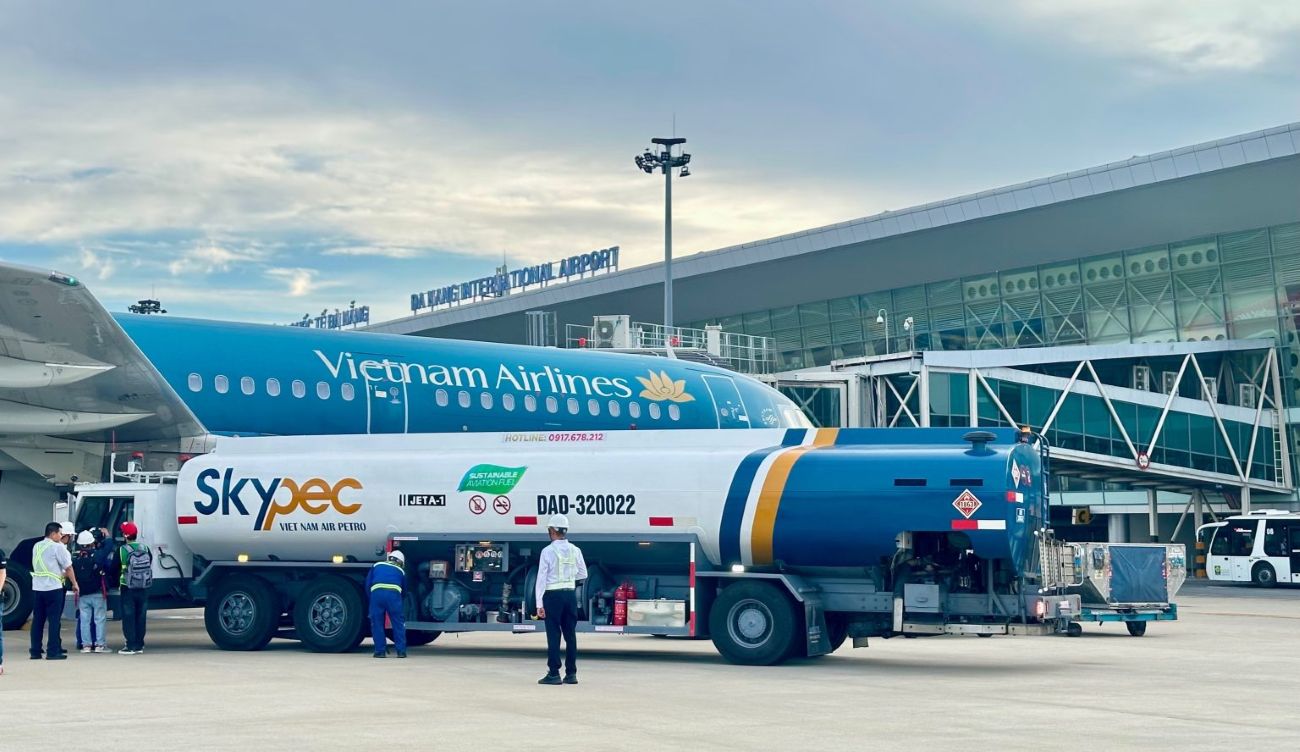
By 2030, the airline aims to expand its fleet to about 151 aircraft, prioritizing the development of a new generation of narrow-body aircraft to increase frequency on regional routes. In parallel, the plan to invest in 30 more wide-body aircraft will strengthen the operational capacity of long-haul routes and support the expansion of the international market.
In addition to scale growth, the airline continues to invest in upgrading services according to the 5-star standard orientation before 2030. Items such as deploying Internet on airplanes, applying biometric procedures via VNeID, synchronous operation at Terminal T3 of Tan Son Nhat International Airport or putting into operation the Check-in Lounge model show the strategy of enhancing passenger experience associated with digital transformation and standardizing operating procedures.
Efforts to simultaneously improve financial efficiency, expand the flight network and upgrade services have also been recognized through 30 domestic and international awards that Vietnam Airlines received in 2025, including 3 Certificates of Merit from the Prime Minister. These awards reflect the improvement in operational safety, service quality and management capacity in the period when the business enters a new growth cycle.


