
With just a few minutes of searching on "combined cars", "passenger cars" groups on social networks, reporters easily connected with a series of drivers who accept passenger transportation by private cars with white license plates.

Although not registered for passenger transport business, not granted badges or signs as prescribed, the buses still publicly receive passengers, quote prices and schedule pick-up points via phone and text messages.
Underground coordination network
In the role of someone who needs to travel from Hanoi to the old Vinh Phuc (now Phu Tho), the reporter contacted a contact point specializing in running this route. Immediately after the exchange, the driver quoted a price of 250,000 VND/person for passengers traveling together, 450,000 VND if covering the back seats and 500,000 VND if renting a whole car.
When asked about issuing value-added invoices, the driver immediately refused on the grounds that the vehicle was a personal vehicle.
This is a private car, so I can't issue an invoice. To get an invoice, you have to go by company car to issue it. We pick you up at your home and deliver it to your place," the driver said.

Not only showing signs of evading tax obligations, the operation of combined vehicles is also more sophisticated through an underground coordination network. When there are not enough passengers or time differences, the focal points immediately "shoot" passenger information to closed groups to gather trips or resell to other vehicles. In fact, this is a well-organized network.
To learn more deeply, reporters contacted a driver specializing in the Hanoi - Phu Tho route and offered to bring personal vehicles into the group to ride together. However, this person appeared extremely vigilant. The driver continuously scouted, while avoiding, absolutely not disclosing the percentage profit sharing.
I'm just a driver, not the group owner. I was introduced by an acquaintance to drive. How the group operates, you have to find someone to contact yourself, I don't know. I don't know what percentage is deducted for each trip," the driver said.
The vigilance of those involved further shows the closed nature of this network. However, the "selling customers", "shooting petitions" mechanism underground between drivers is still obvious as soon as reporters directly experience the service.
Reporters continued to book another shared bus on the Hanoi - Phu Tho route at a price of 150,000 VND/person, and arranged to pick them up in the Cau Giay area. When they arrived, there were 4 passengers on the bus who were picked up from many different locations.

Quickly calculating, in just one trip, the driver easily pocketed 600,000 VND without having to pay any taxes or business fees. But as predicted, the actual driver was not the driver who had directly transacted with the reporter before.
I'm not the first friend. You call a car from another side and they can't serve you, they will shoot at the groups, and other drivers pick up passengers in the group to transport them," this driver said.
When asked about the case of being checked by functional forces, this person replied briefly: "If you are arrested, you can only leave the car there, abandon the passenger and go home.
Restricting disguised combined vehicles, violations may be fined up to 14 million VND
Faced with the above situation, the Government has issued Decree No. 238/2026/ND-CP amending and supplementing a number of articles of Decree No. 168/2024/ND-CP to strengthen the management of automobile transport activities.
According to new regulations, drivers of cars that do not engage in transportation business but carry people for money or sign contracts, receive reservations to carry people on cars will be fined from 12 - 14 million VND. In addition to administrative penalties, violators will also be deducted up to 6 points from their driver's licenses or apply additional penalties according to regulations.
According to Dr. Dang Van Cuong (Chinh Phap Law Office, Hanoi Bar Association), it is necessary to clearly distinguish between carpooling in civil relations and transport business activities. The law does not prohibit acquaintances from supporting each other to travel and sharing expenses. However, when car owners use personal cars to advertise on social networks, receive outside customers, collect money regularly and consider this as a source of income, it is essentially a transport business activity.
If someone takes advantage of their travel, their means of transportation to post on social networks or receive outsiders, collect fees to consider as a source of business revenue, then that is reprehensible and a violation of the law. According to Article 7 of Decree 238/2026/ND-CP, a fine of up to 14 million VND will be imposed," said Dr. Lawyer Dang Van Cuong.

According to Mr. Cuong, when transportation activities are of a business nature, vehicle owners must fully comply with the conditions according to regulations.
If fees are regularly collected, there is advertising, and it is considered a source of income, then business registration must be required, journey monitoring equipment must be ensured, registration and inspection must be in accordance with regulations, and safety insurance must be provided. Then the interests of both parties are guaranteed and there is state management, ensuring fairness with other transport business units," said Dr. Dang Van Cuong.
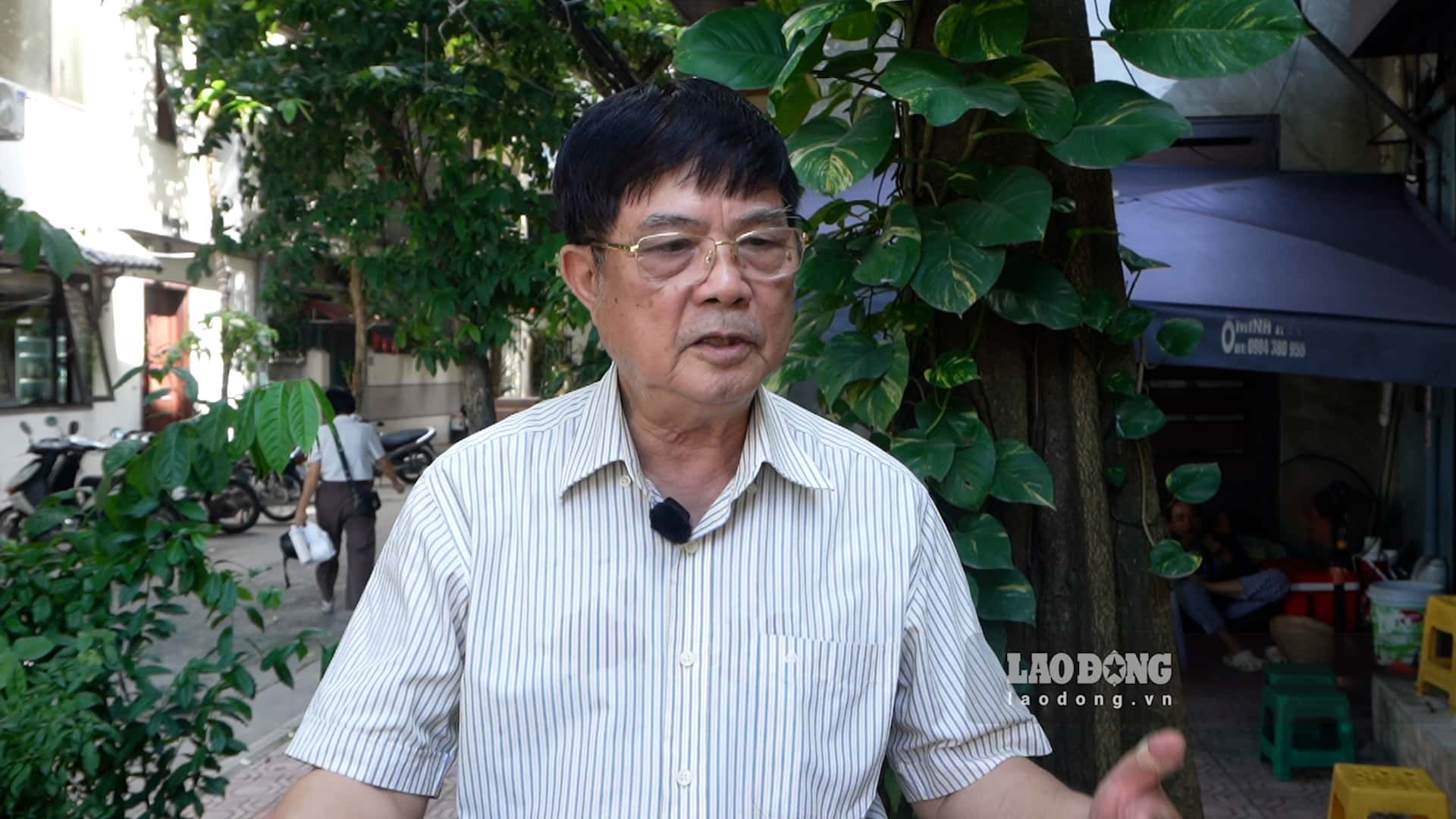
Dr. Khuong Kim Tao - former Deputy Chief of Office of the National Traffic Safety Committee - said that when regulations are issued, all organizations and individuals must seriously comply: "All people and businesses must comply absolutely. If in the process of implementation there are still inadequacies, functional agencies will continue to improve regulations to improve the efficiency of transport management, while creating conditions for socio-economic development and better serving the needs of the people.
Reality shows that the operation of shared cars by private cars is currently not only taking place publicly on social networks but also forming a network of passenger coordination between many drivers. In the context that penalty regulations have been tightened, strengthening inspection and handling of cases of using private cars for illegal transportation business is expected to contribute to bringing this activity into the legal framework.


