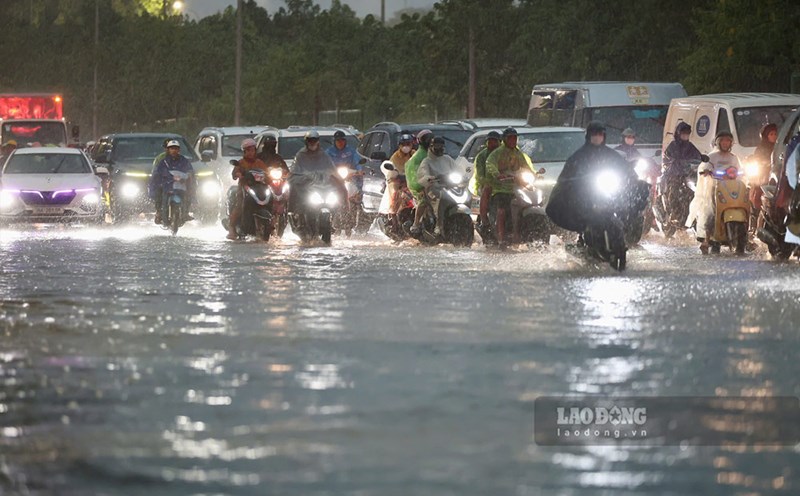
This year's National Day holiday September 2nd is 5 days off, along with the end of summer, so the demand for self-drive car rental is increasing. Currently, self-drive car rental services are increasingly popular with the participation of many digital platforms.
According to Mr. Vu Hoan - HiXe Transport Company (on Pham Tuan Tai street, Cau Giay, Hanoi), the regular car rental price is commonly from 500,000-1.2 million VND/day. During holidays, the price may increase depending on the car model, time and market demand.
However, the rental price is only a part of the cost that tenants need to pay attention to. The most important thing is that customers should carefully check the contract, clearly determine the rental time, distance limit, deposit, over-kilometer fee and responsibility if the vehicle has problems.
Carefully check the contract, vehicle status
Before signing the contract, the hirer needs to carefully read the terms related to damage, accidents and insurance. It is necessary to clearly identify which cases the hirer must pay for themselves, which cases are supported by insurance and the deduction level if an incident occurs.
Regulations on people allowed to drive vehicles also need to be clarified. Handing over vehicles to people who are not named in the contract may affect insurance benefits or generate unexpected liability.
When receiving a car, you should not only check the exterior preliminarily. Renters need to check the entire body, glass, lights, mirrors, tires, rims and scratch-prone details.
Available scratches, dentures, cracks or damages should be clearly recorded in the handover record. The hirer should take photos and videos of the entire vehicle before leaving the receiving point, clearly showing the exterior, interior, dashboard and kilometers on the meter.
Don't ignore tires, brakes and lighting
In addition to the exterior, tenants need to check parts directly related to safety such as tires, brakes, headlights, wipers and fuel condition.
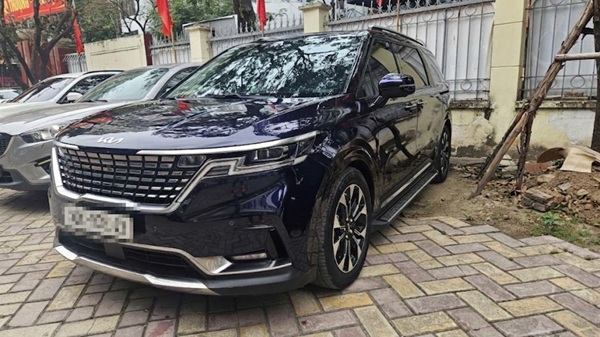
For electric vehicles, it is necessary to check the battery level and clearly agree on the battery status when receiving, as well as the requirements when returning the vehicle.
If abnormalities are detected, tenants should request the lessor to handle or specifically record them before receiving the car. Minor errors should not be ignored because they can become major problems during travel, especially for long trips during holidays.
Clarify kilometer limits, fuel and fees
Regulations on distance are content that tenants easily miss. Some contracts limit the number of kilometers allowed to travel in a day and charge additional fees when exceeding the limit.
Therefore, tenants should calculate the planned itinerary in advance, especially if they plan to go to the province or travel continuously for many days. This helps to proactively estimate the total cost and avoid large expenses when returning the car.
Do not self-repair when the car has problems
During use, if the car encounters problems, the lessee should immediately contact the leasing unit for handling instructions.
Do not arbitrarily repair, change the structure or take the car to an maintenance facility without the leaseholder's approval. Self-repair may make it difficult to determine the responsibility and incurred costs.
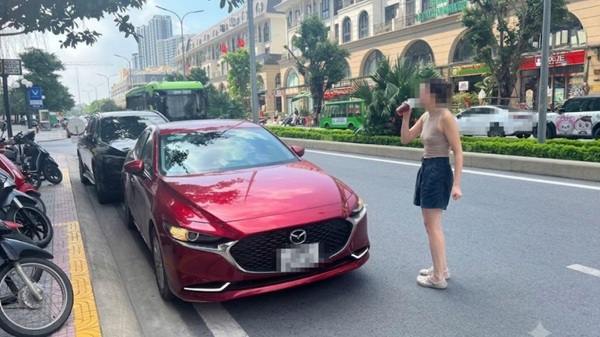
For long trips, tenants should keep invoices and documents related to repairs or incident handling. This can be a basis for comparing costs and responsibilities with the lessor after completing the trip.
Check the car before returning
When the lease period ends, the lessee should work with the lessor to re-examine the entire vehicle and make a handover confirmation.
If the vehicle does not have new damage, it is necessary to request a clear confirmation of the vehicle's condition and the time of return. In case the deposit is refunded later, it is necessary to agree on a specific time limit and method of refund.
In particular, tenants should not only choose based on low rental prices. A car with a cheap rental price but low kilometer limit, high kilometer overrun fee, large deposit or unfavorable compensation clause is not necessarily a economical choice.
Seemingly simple checks before and after renting a car can help people limit risks, avoid disputes and be more proactive about costs throughout the trip," Mr. Vu Hoan recommended.