
Tet is a time for reunion, meals are often rich and more protein and salt than usual. However, for patients undergoing hemodialysis, uncontrolled eating can lead to hyperkalemia, fluid overflow, electrolyte disorders, high blood pressure, and even emergency hospitalization. Maintaining discipline in the diet is therefore a mandatory requirement to ensure health safety for kidney patients.
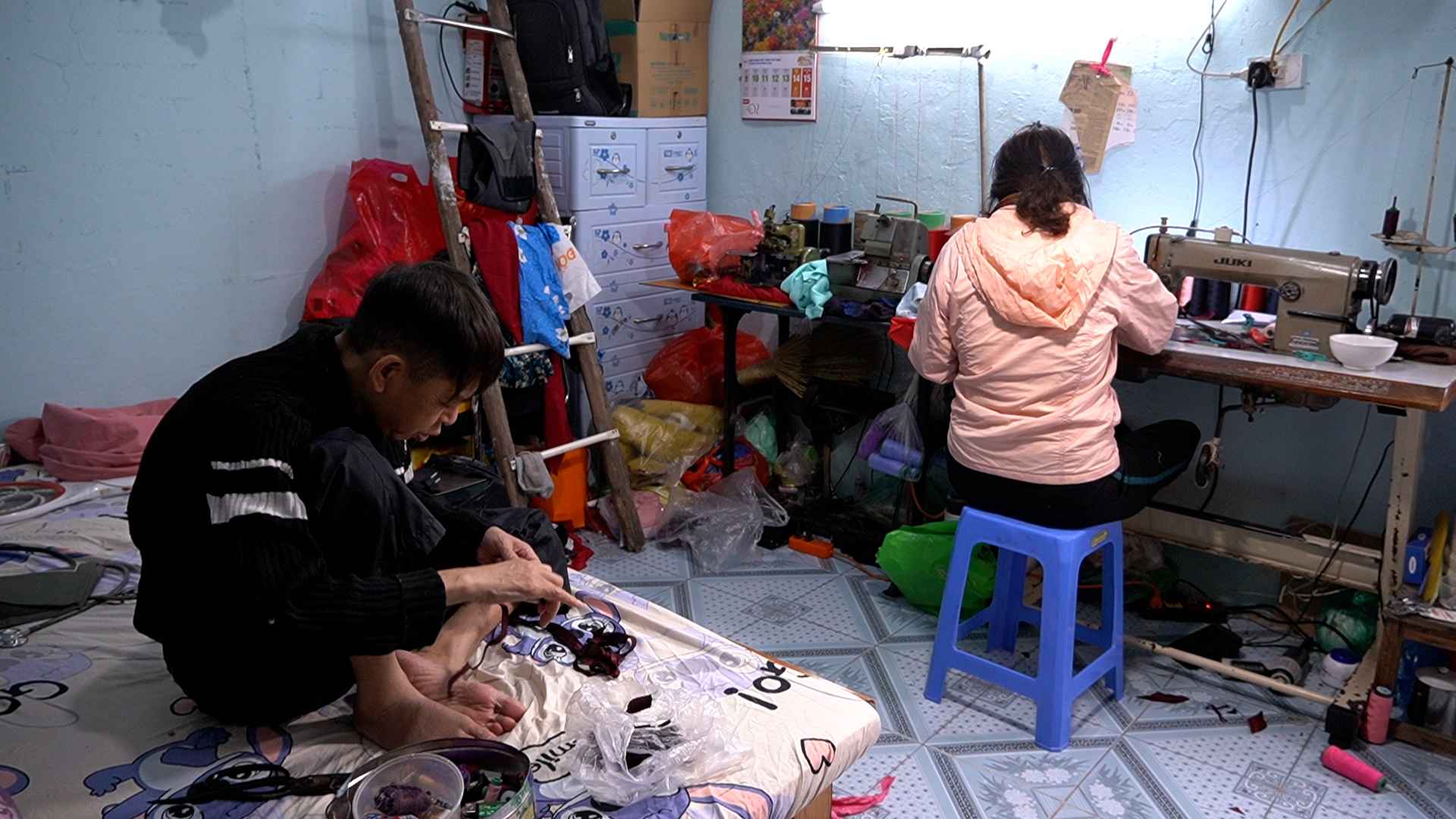
Living in dialysis hamlet 121 Le Thanh Nghi (Hanoi), Mr. Pham Quang Huy has had 11 years of periodic dialysis treatment. On Tet holiday, he proactively adjusts his diet to avoid affecting his health.
Mr. Huy said that just eating more salty food or drinking more water than recommended, the body will quickly get tired after each hemodialysis session. Therefore, he prioritizes bland foods and adheres to the correct treatment schedule.
When Tet comes, I limit banh chung with meat filling. If I eat it, I choose vegetarian banh chung to reduce pressure on the body," Mr. Huy shared.
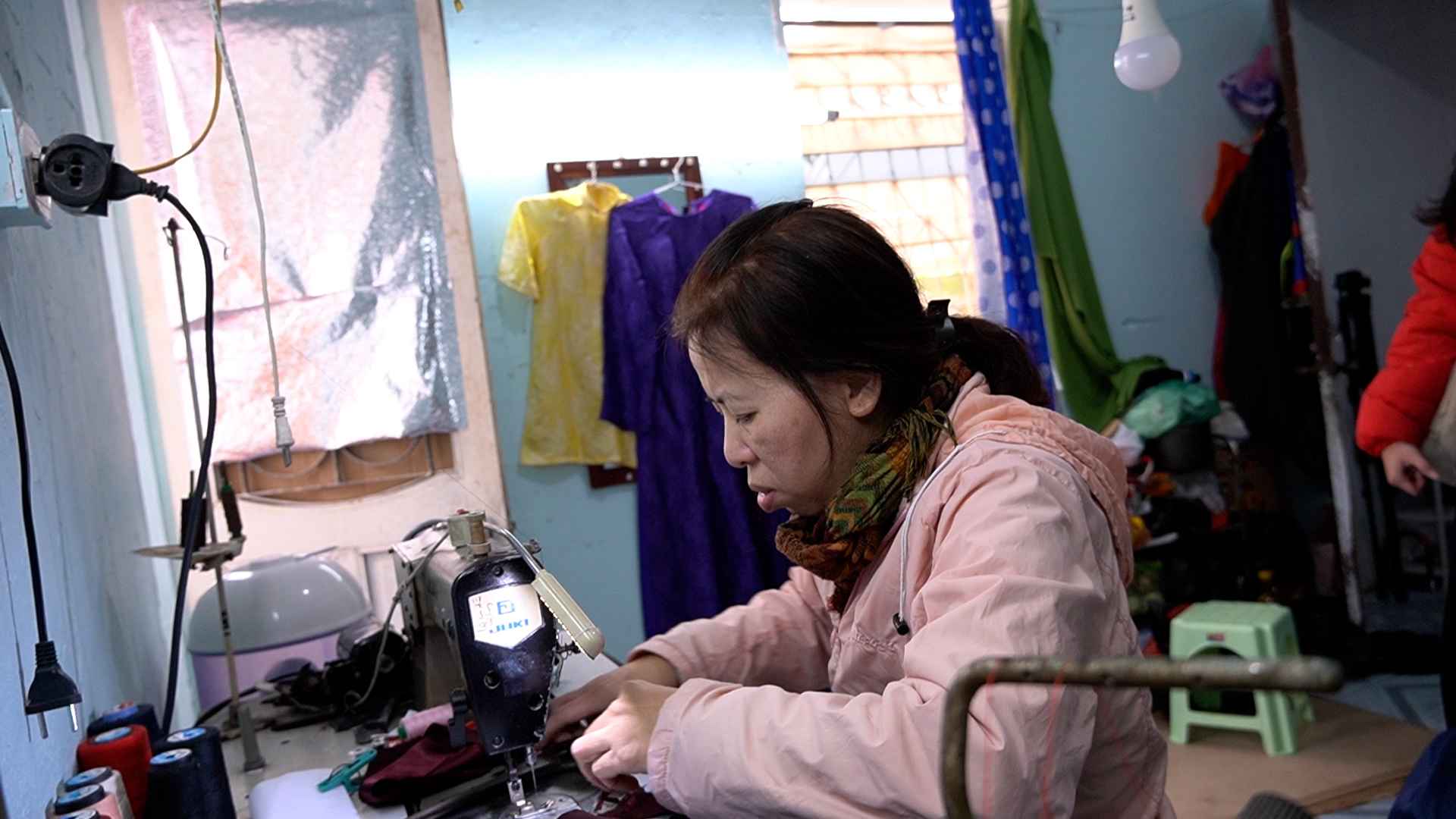
Similarly, Ms. Le Thi Doan has a husband named Nguyen Van Nghiem, suffering from chronic kidney disease. "On Tet days, you must abstain even more carefully because if you eat and drink excessively, toxins cannot be eliminated like normal people will make the body more tired, and some people even have to be hospitalized for emergency treatment due to high blood pressure, cardiovascular disease or shortness of breath," Ms. Doan shared.
According to MSc.BSCKII Nguyen Dang Quoc - Head of the Artificial Kidney Department, Thanh Nhan Hospital, during Tet, the most common mistake of dialysis patients is eating saltier than usual and drinking too much recommended water.
Doctors emphasize that traditional dishes such as banh chung, gio cha, pickled vegetables, bamboo shoot soup, and processed foods all contain a lot of salt and protein. In addition, dried nuts and potassium-rich fruits, if used in large quantities, can cause hyperkalemia - a dangerous complication because the kidneys have lost their excretory function. Alcohol and carbonated drinks also increase the risk of fluid overflow, high blood pressure, pulmonary edema, and emergency care.
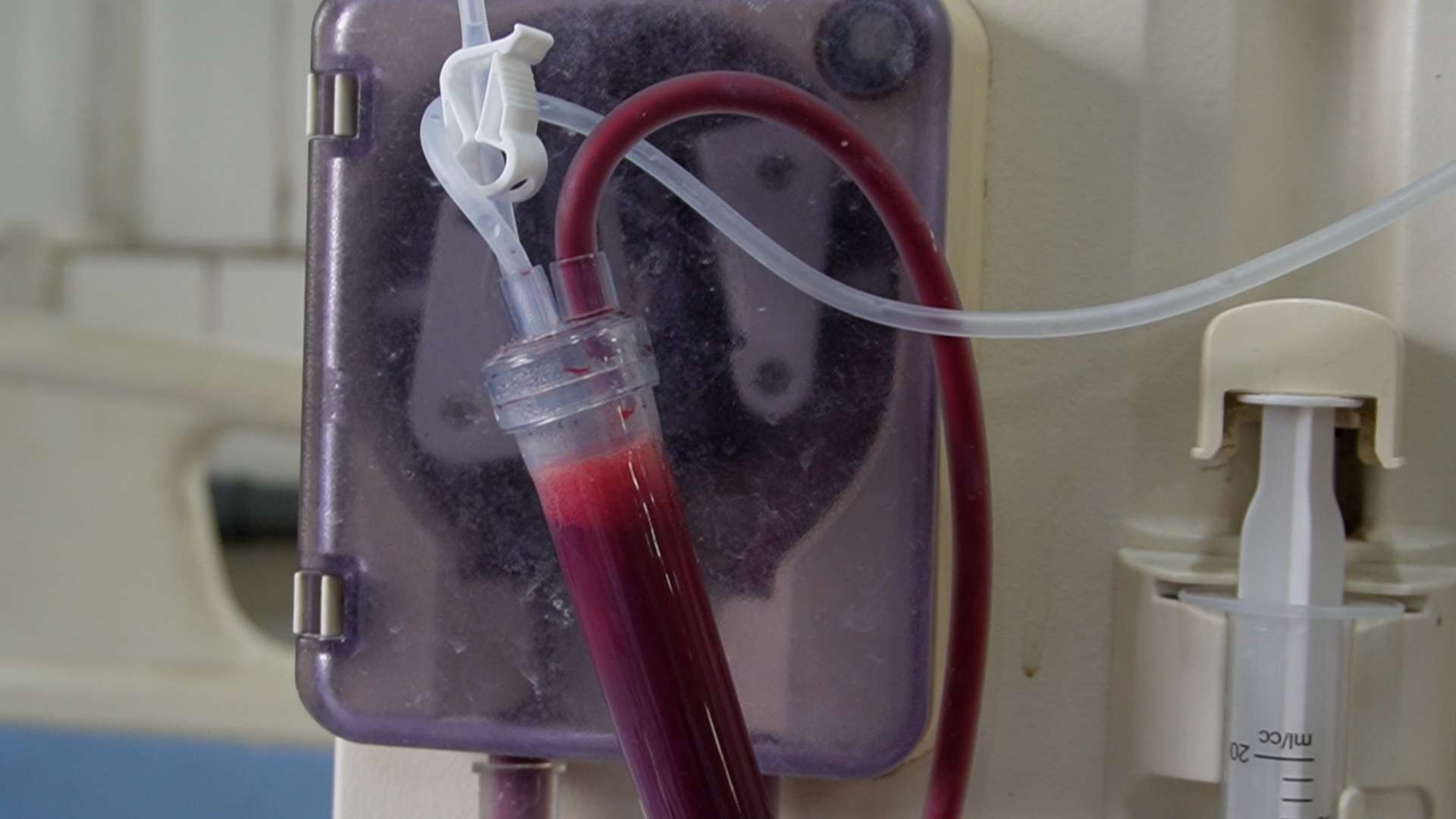
Doctors also recommend that patients need to proactively adjust their diet, need to eat bland foods, minimize processed foods and pickled foods, and control drinking water according to the doctor's personalized instructions. For more effective control, dialysis patients should prioritize self-preparing meals, proactively increasing or decreasing spices and portions suitable to their health condition.
In particular, patients should not arbitrarily skip or change the blood filtration schedule, and monitor for abnormal signs such as severe fatigue, shortness of breath, and swelling of limbs to see a doctor in time.


