
Hospitalization of pediatric patients increases sharply
At the end of the year, at Da Nang Obstetrics and Pediatrics Hospital, a busy atmosphere envelops the waiting halls and clinics. The dry coughs and cries of young children overwhelm the space. According to statistics, on average, the hospital receives from 1,000 to 1,300 patients for examination and emergency care each day, of which pediatric patients account for 70%.
Taking her 2-year-old child with a high fever for examination, Ms. Nguyen Thi Lan (Lien Chieu ward, Da Nang) worried: "My child has only had a sickening fever since last night, until this morning he has a high fever and sniffles. Coming here, I see that too many children also have the same symptoms as my child".
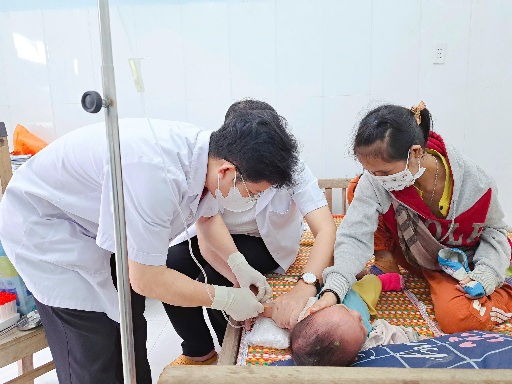
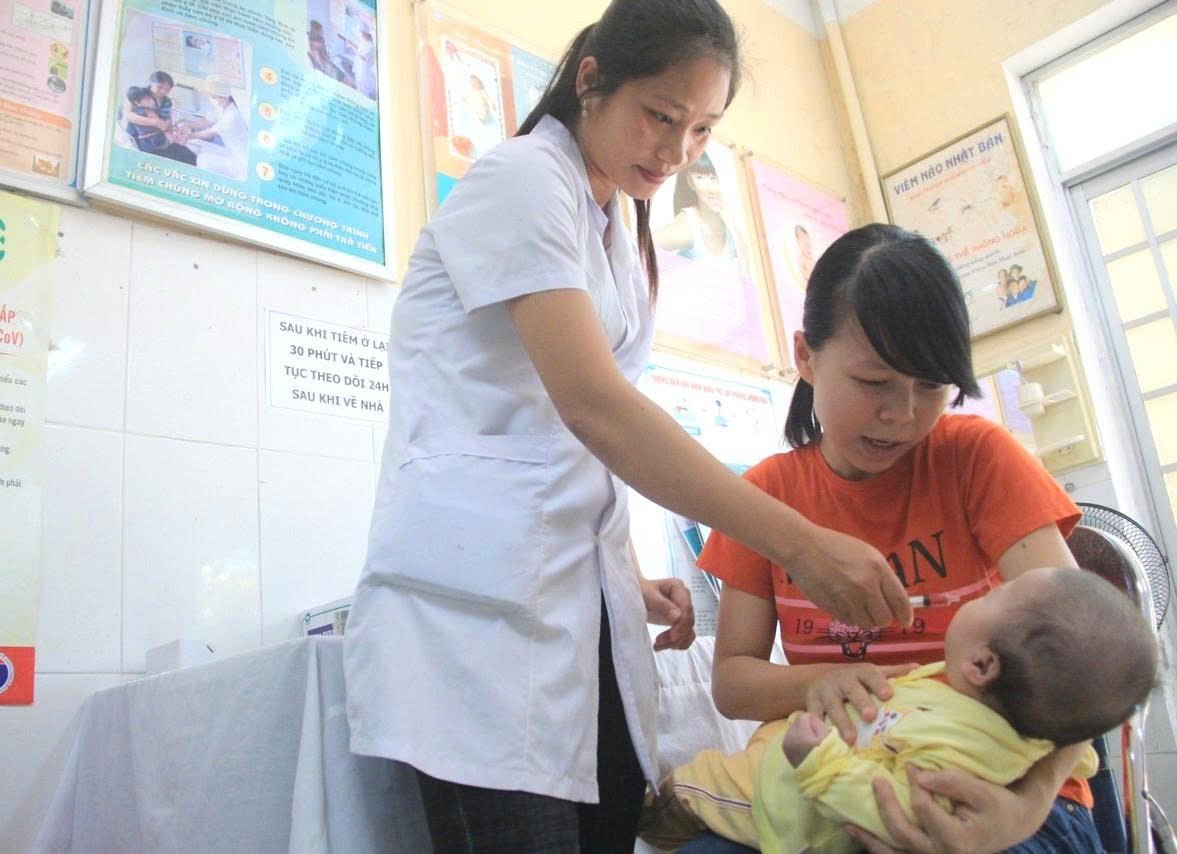
Doctor Le Van Dung - Deputy Head of the General - Emergency Examination Department (Da Nang Obstetrics and Pediatrics Hospital) said that most children admitted to the hospital have typical symptoms of respiratory diseases such as cough, fever, runny nose, sore throat. Sudden cold weather is an ideal condition for bacteria and viruses to develop and attack the child's immature immune system.
At the Department of Pediatrics and Respiratory Medicine, the number of inpatients has also increased significantly with common diseases: pneumonia, asthma, bronchiolitis and tracheitis. Doctors warn that parents should pay special attention if children show signs of: convulsions, high fever that is difficult to reduce continuously for 2 days, shortness of breath or severe abdominal pain, then they must be taken to a medical facility immediately.
Beware of stroke when the temperature drops
Not only young children, the elderly are also facing serious health complications when temperatures drop. At the Department of Endocrinology - Immunology (Da Nang Hospital), hospital beds are always full due to patients with flu, pneumonia and acute episodes of chronic obstructive pulmonary disease (COPD).
Explaining this, the department representative said that low temperatures make surface respiratory epithelial cells easily damaged, creating "loopholes" for bacteria to invade. In particular, the temperature difference between day and night makes underlying diseases such as diabetes and blood pressure worse.
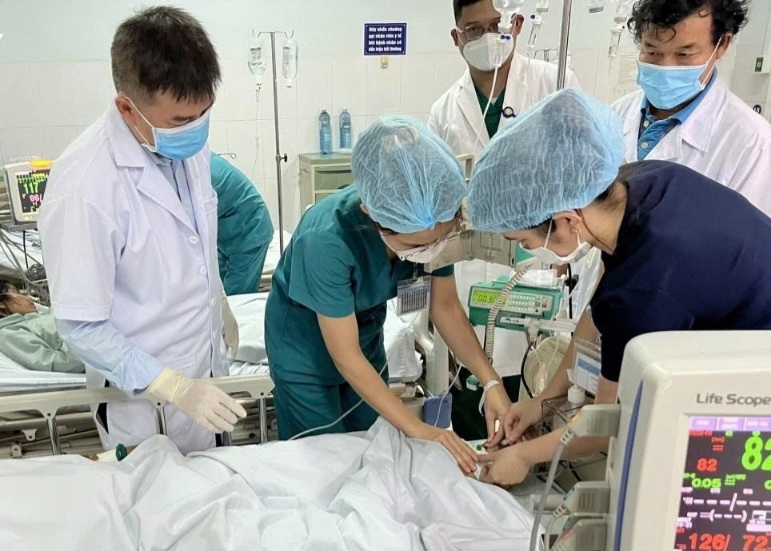
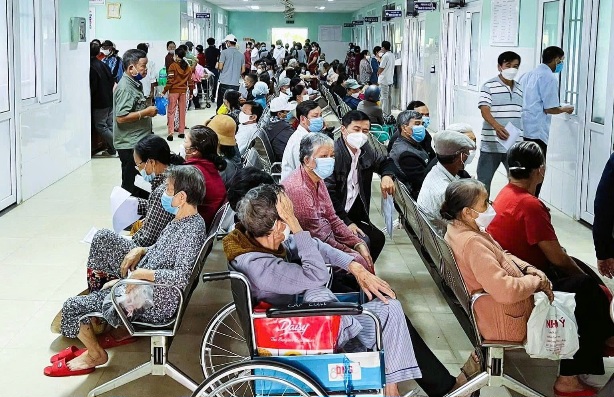
More alarming is the risk of stroke in the elderly and young people with blood pressure diseases. BS.CK2 Duong Quang Hai - Deputy Head of the Stroke Department (Da Nang Hospital) analyzed: "In cold weather, older people often drink less water, leading to blood concentration, creating blood clots that cause blockage of brain blood vessels. There are young patients who, despite having high blood pressure, are subjective and do not treat it, when the weather suddenly turns cold, leading to cerebral hemorrhage, the mortality rate is very high.
Faced with the increasing situation of respiratory diseases, health experts recommend that people build a strict "fence" of protection:
For children, it is necessary to keep the neck and chest warm, wear a mask when going out. In particular, parents need to coordinate with the school to avoid cross-contamination in the classroom. Clean hands, nose and throat regularly and ensure a diet rich in green vegetables and fruit juices.
For the elderly, absolutely avoid sudden temperature changes (especially the habit of waking up early to exercise when it is still too cold). Drink enough water to avoid blood clots, strictly control blood pressure and adhere to the underlying disease treatment regimen.
Especially, when you see signs of early stroke recognition such as: Sudden severe stroke on one side of the face, weakness and paralysis of limbs on one side, slurred speech or language disorder. When encountering this case, it is necessary to let the patient lie on his side, avoid falling and immediately take him to a medical facility specializing in stroke to take advantage of the "golden hour" for intervention.


