Currently, the weather is in the transition period of Fall - Winter with erratic changes in temperature and humidity, which are favorable conditions for respiratory and digestive diseases to develop and spread. This is also the end of the year with increased exchanges, travel and organizing many crowded events, increasing the risk of disease outbreaks.
The Da Nang Infectious Disease Monitoring System has recorded a local increase in some diseases, especially seasonal flu, respiratory viral vector (RSV) diseases and hand, foot and mouth disease in some localities, including many cases of adults and children hospitalized for treatment at specialized hospitals and end-of-line specialist hospitals.
On December 20, according to the office of the People's Committee of Da Nang City, the Chairman of the City People's Committee issued a document requesting agencies and units to continue to closely coordinate with the health sector and local authorities to strengthen propaganda and mobilize cadres, civil servants, public employees, workers and the community to strictly implement disease prevention and control measures. The health sector is responsible for directing and guiding the entire sector to synchronously deploy disease prevention and control measures, while strengthening supervision, early detection of cases, and thoroughly handling outbreaks to prevent spread. Proactive coordination with the Institute of Hygiene and Epidemiology and the Pasteur Institute to assess risks and propose appropriate response measures is also a top priority during this period.
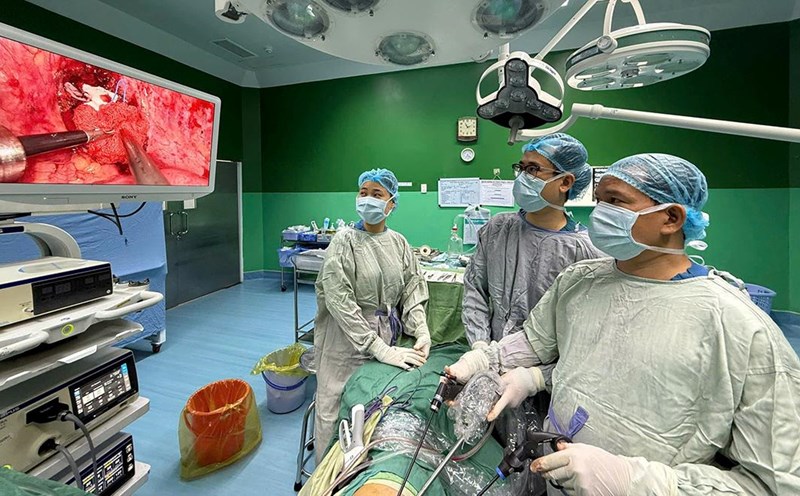
Treatment, emergency care and close monitoring of the progress of cases of diseases need to be enhanced, especially timely consultation and appropriate referral for cases with signs of worsening such as children, the elderly, pregnant women and people with underlying diseases. Medical facilities must seriously implement infection control and cross-infection prevention to ensure the safety of patients and medical staff.
At the same time, the health sector also needs to proactively provide information, documents and disease prevention recommendations to departments, branches and localities to conduct timely communication, suitable for each target group in the community.
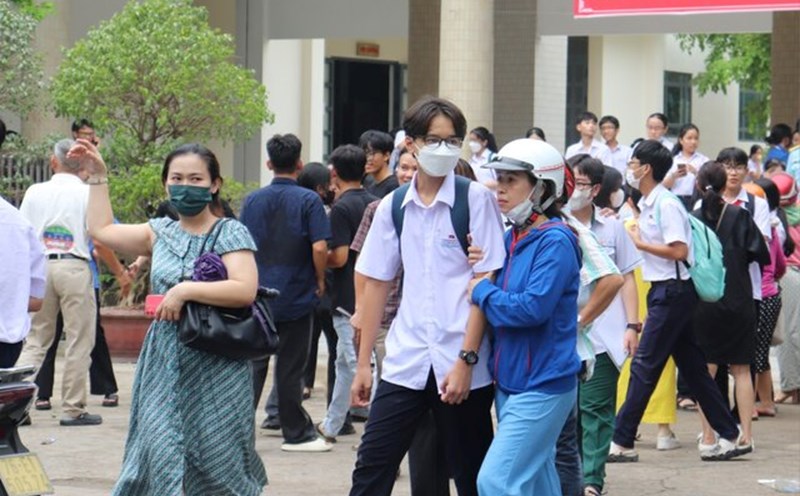
At educational institutions, it is necessary to proactively coordinate with local health agencies to strengthen environmental sanitation, provide personal hygiene instructions for students and closely monitor the health status of children to promptly advise and treat suspected signs of infectious diseases. For business establishments such as supermarkets, shopping malls, entertainment areas or cinemas, authorities need to inspect the implementation of surface hygiene measures, equipment and ensure food safety conditions. Commune and ward authorities must focus on monitoring groups of children in families, private independent kindergartens and child care facilities to promptly detect and handle risks of disease spread, minimizing the formation of outbreaks in the community.