
According to the Ministry of Health, Dengue hemorrhagic fever is continuing to be one of the dangerous infectious diseases with a high number of cases and an increasing trend.
Statistics show that from December 14, 2024 to December 17, 2025, the whole country recorded 181,237 cases of Dengue hemorrhagic fever, including 43 deaths, and in January 2026 alone, more than 20,000 cases were recorded. Experts warn that the disease can progress rapidly and cause serious complications if patients are subjective or are hospitalized late.

The most dangerous stage of Dengue hemorrhagic fever usually falls at the time when the patient begins to lose fever, around the 3rd to 7th day of the disease. This is the time when plasma leakage can occur, leading to shock, blood clotting disorders, and multiple organ failure if not monitored and treated promptly.
BSCKII Nguyen Thu Huong, Head of the Infectious Diseases Unit, Thanh Nhan Hospital, said that most patients are admitted on the 5th or 7th day of the illness.
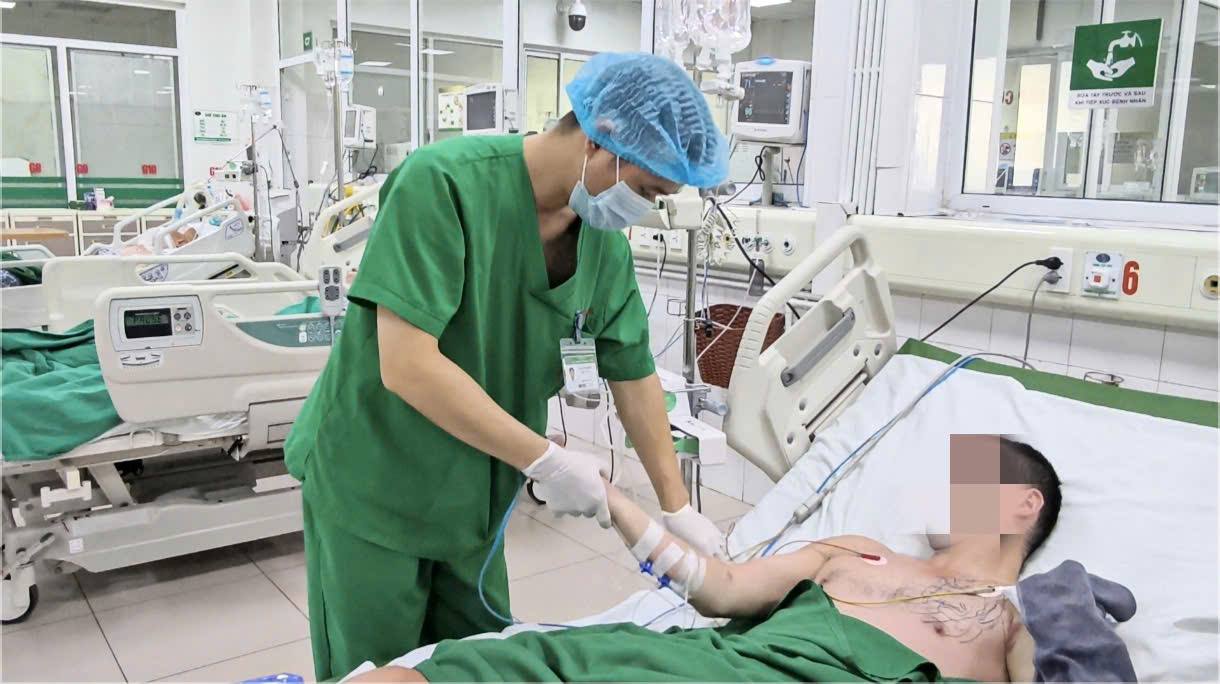
This is the time when patients usually have gone out of fever, so it is easy to be subjective, while it is the stage when the disease may progress the most severely. Patients are admitted to the hospital late, causing many complications to worsen due to not being closely monitored from the beginning," - the doctor said.
The actual treatment shows that many patients when admitted to the hospital have experienced very deep platelet thrombosis or severe gastrointestinal bleeding to the point of needing blood transfusions.
In addition, some patients also have symptoms of blood concentration and increased liver enzymes. In some cases, liver enzymes increase by nearly 1,000 UI/L, indicating severe liver damage.
According to doctors, severe cases are common in people with underlying diseases such as the elderly, patients with cirrhosis causing blood clotting disorders, or people with coronary artery disease using double antiplatelet drugs. When suffering from dengue fever, these subjects are at risk of deep thrombocytopenia and are prone to life-threatening complications.
To prevent disease, people need to proactively implement mosquito prevention measures such as sleeping under mosquito nets even during the day, wearing long-sleeved clothes or using mosquito repellent products. At the same time, it is necessary to remove items containing stagnant water around the house - where mosquitoes can reproduce.
Dengue hemorrhagic fever can be well controlled if detected early and monitored properly. However, subjective psychology when seeing that the fever has subsided makes many patients come to the hospital late, increasing the risk of shock and dangerous complications.
When fever symptoms appear, people should go to a medical facility for examination and to determine the cause, avoid self-treatment at home or using inappropriate drugs that may increase the risk of complications.


