
Over the past time, Lam Dong has been focusing on rearranging the grassroots health network. To date, the province has 27 regional health centers under the Department of Health and has completed the transfer of 124 commune, ward, and special zone health stations to commune-level People's Committees according to the roadmap.
After the transfer, the Health Stations still undertake primary health care, medical examination and treatment, epidemic prevention and control, and other professional tasks. Activities are maintained, preventing changes in management models from disrupting people's health care.
The workload at the grassroots level is quite large. In just the first 6 months of 2026, health stations have performed more than 548,000 medical examinations, showing the important role of the grassroots health network, especially in remote and isolated areas, and ethnic minority areas.
According to Standing Vice Chairman of Lam Dong Provincial People's Committee Le Trong Yen, with a large area and uneven geographical conditions between regions, investment in grassroots healthcare needs to be implemented in order of priority.
In the immediate future, the province will focus resources on health stations and point stations in densely populated areas, remote and isolated areas, ethnic minority areas and places where people still have difficulty accessing health services.
Along with the budget and equipment prioritized for difficult areas, the village health network also contributes to bringing health care services closer to the people. The whole province currently has 1,913 village health workers.
However, after switching from a vertical industry management model to a direct management by the commune-level People's Committee, grassroots healthcare is also facing new requirements. Many localities do not have much experience in managing medical service units.
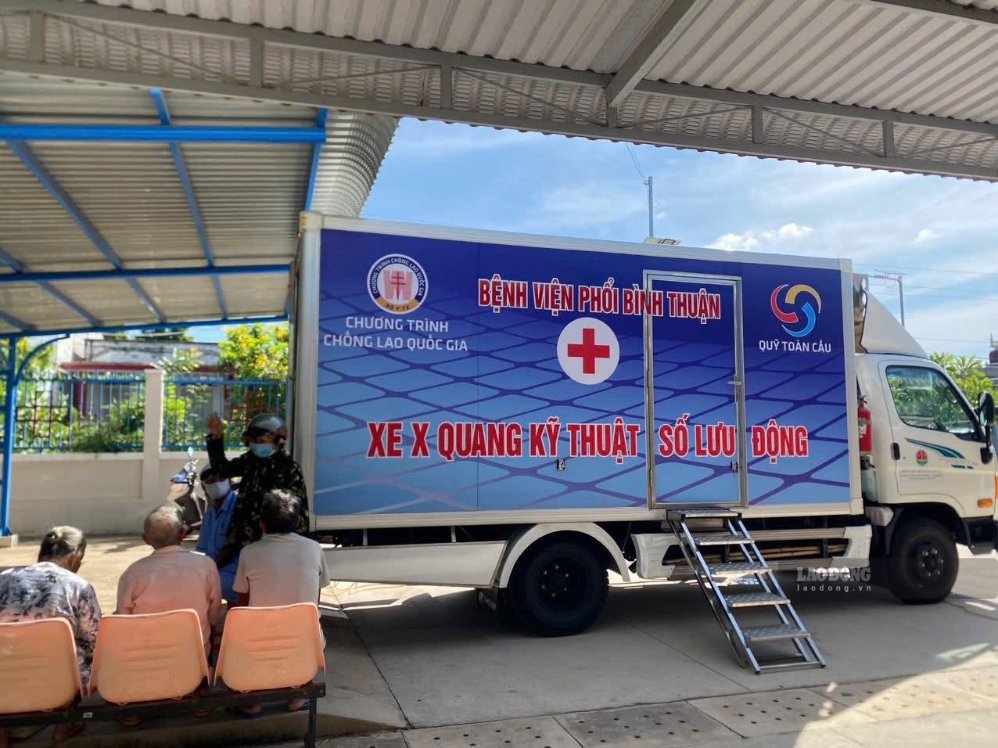
Notably, most commune health stations currently do not have X-ray machines and testing systems. This makes the ability to diagnose and support treatment right at the grassroots level limited.
Human resources are also a problem to be solved. Some remote and isolated areas still lack doctors. The civil servant structure between localities is not uniform, while attracting doctors and high-quality human resources to the grassroots level is still difficult. Recruitment work cannot be fully implemented because the number of people to work has not been assigned.
In that context, Lam Dong province proposes that the Government and central ministries and branches soon complete regulations on the organization, job positions, human resource structure, leadership title standards and operating mechanism of Health Stations under the commune-level People's Committee.
At the provincial level, the People's Council is proposed to continue to prioritize investment resources for grassroots healthcare, especially in remote and isolated areas and ethnic minority areas. Upgrading facilities, equipment and digital infrastructure is considered contents that need to be concerned about.
In addition to investing in facilities, the province also aims at human resource development policies, including attracting, treating and training grassroots healthcare teams.
When facilities, equipment and human resources are gradually supplemented, health stations will have more conditions to perform well the tasks of medical examination and treatment, epidemic prevention and control, and primary health care. Through this, people, especially in remote and isolated areas, and ethnic minority areas, can access health services more conveniently and promptly right in their localities.


