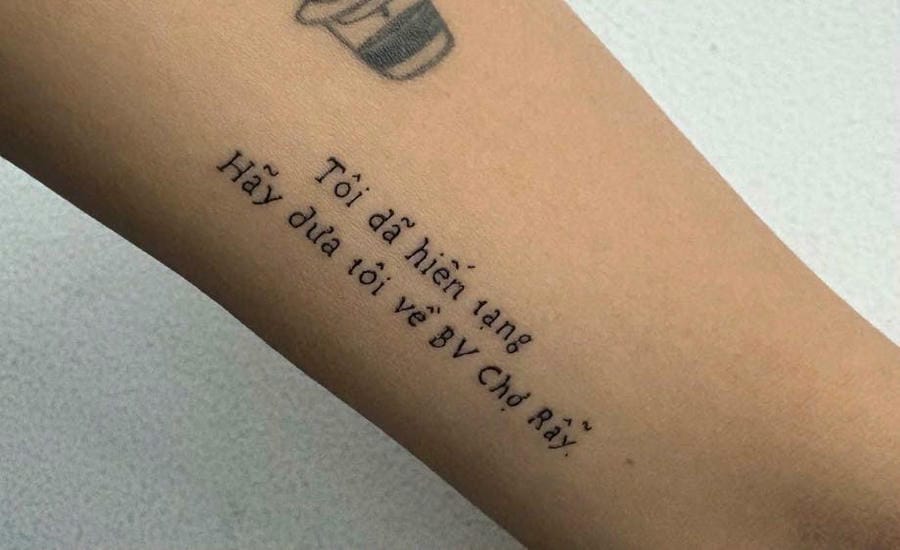
Trend of posting organ donation information on social networks
Registered for organ donation at Cho Ray Hospital 4 years ago, Ms. N.T. H. N, 36 years old, in Ho Chi Minh City, said that organ donation is a humanitarian gesture, helping healthy organs to continue saving lives if the donor unfortunately dies.
I appreciate the spirit of organ donation to save people, but I am quite surprised that many people publicly register on social networks. Sharing too much information also hides risks if taken advantage of by bad guys. I only share this decision with my husband and mother" - Ms. N said.
Sharing the same view, Ms. N.T. L (34 years old, An Hoi Tay ward, Ho Chi Minh City) - who has registered for organ donation for 5 years - shared that her decision stemmed from stories about patients who are fighting for their lives every day while waiting for organ transplants.
According to Ms. L, a life that closes but can open up life opportunities for many others is very meaningful. However, she does not choose to publicize organ donation registration information on social networks.
Posting personal information online can sometimes make relatives or those around you misunderstand your decision. I am also concerned that personal information may be exploited for unwanted purposes" - Ms. L shared.
Information about organ donors is protected by many layers of security
Dr. Du Thi Ngoc Thu - Head of the Human Organ Transplant Coordination Unit, Cho Ray Hospital (HCMC) - said that for cases wishing to donate organs after brain death due to traffic accidents or stroke, the process of receiving and evaluating is carried out very strictly.
When receiving information from the family or treating doctor about a severe case that is no longer curable but wishes to donate organs, the coordinating unit will coordinate with the treatment team to assess the patient's condition and determine whether the cause of death belongs to the group contraindicated for organ donation or not.
According to Dr. Du Thi Ngoc Thu, the fact that a person has registered for organ donation only expresses personal aspirations. Whether it can be done or not depends on the professional assessment at the time of that person's death.
If conditions are met, the doctor will determine brain death or cardiac arrest, and at the same time assess the function of organs to see which tissues and organs can be used for transplantation. The entire process is only carried out when the family agrees and signs a document confirming the organ donation wish of the relative.
Ms. Thu emphasized that all medical tests and interventions must serve the treatment goal. Only when the patient is no longer able to be cured and fully meets legal regulations, organ donation is considered. Tests to assess organ donation ability must also ensure that they do not cause additional burdens for the patient.
According to Dr. Du Thi Ngoc Thu, the organ donation registration system is part of the hospital's common data management system. Therefore, all information of patients and organ donation registrants is protected according to strict security standards.
According to Ms. Thu, in reality, the leakage of personal information if it occurs often originates from the registrants themselves sharing on social networks. Many people feel proud to perform this humanitarian gesture, so they publicize images or related information. However, people should proactively cover up personal data when posting to ensure safety.
For our part, the current organ donation and transplantation system is guaranteed to be safe. Technology infrastructure providers all have commitments to data security with hospitals" - Ms. Thu affirmed.