
According to the spirit of Resolution 59-NQ/TW dated August 5, 2020 of the Politburo on Can Tho Development, the city (TP) is oriented to become a regional-level specialized medical center, with specialized hospitals such as Oncology, Obstetrics, Cardiology, Pediatrics, Hematology - Blood Transfusion and Geriatrics taking on the role of in-depth medical examination and treatment for the entire Mekong Delta region.
In recent years, the Can Tho health sector has continuously improved its capacity, taken advantage of resources and promoted cooperation to promote development, improve the quality of medical examination and treatment, towards the assigned goals and tasks.
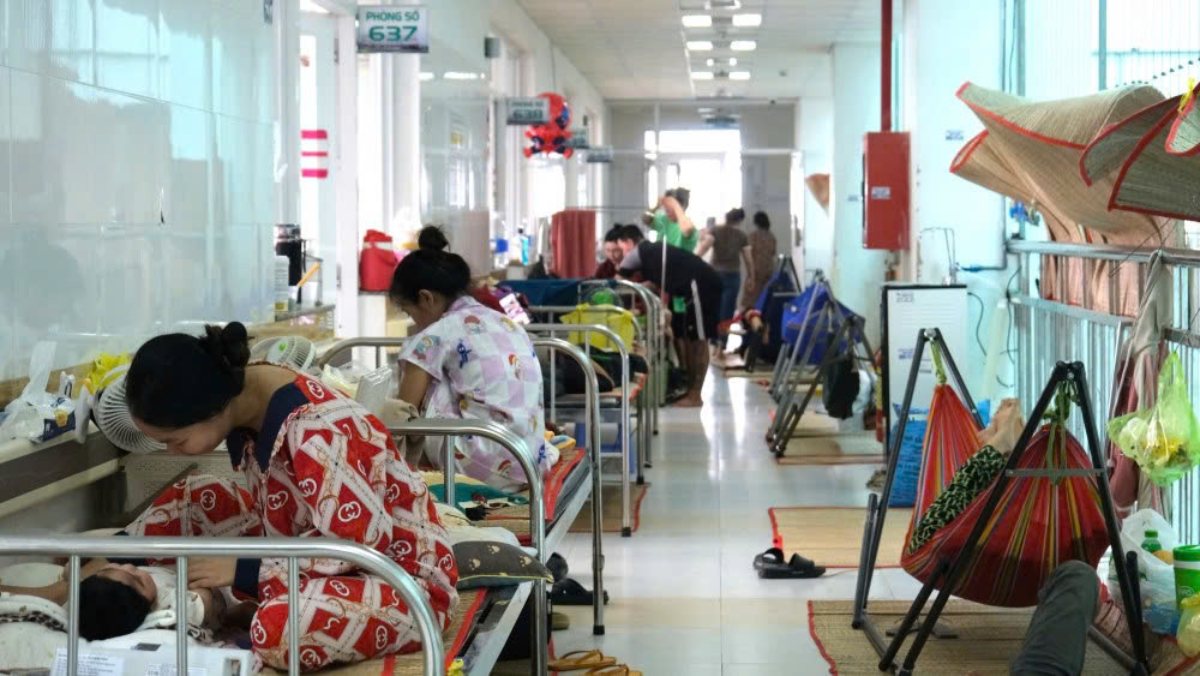
However, currently, one of the things that the Board of Directors of hospitals in Can Tho City is concerned and worried about is the problem of degraded facilities, material and equipment not meeting requirements. At Can Tho City Children's Hospital, there are 10 elevators, but 4 elevators have stopped operating, although the hospital has allocated funds for repairs, they will soon be damaged.
What BSCKII Mr. Huy Thanh - Director of Can Tho City Children's Hospital is concerned about is that the current wastewater treatment system of this medical facility is still limited. He put forward that if an epidemic occurs, the number of patients will increase to 1,200 people, then the wastewater treatment system will exceed its capacity.
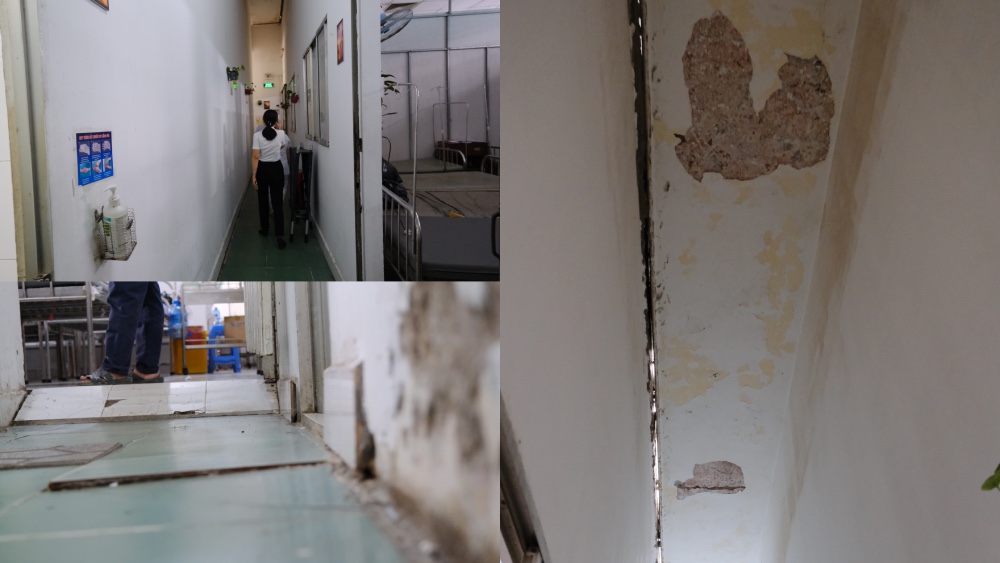
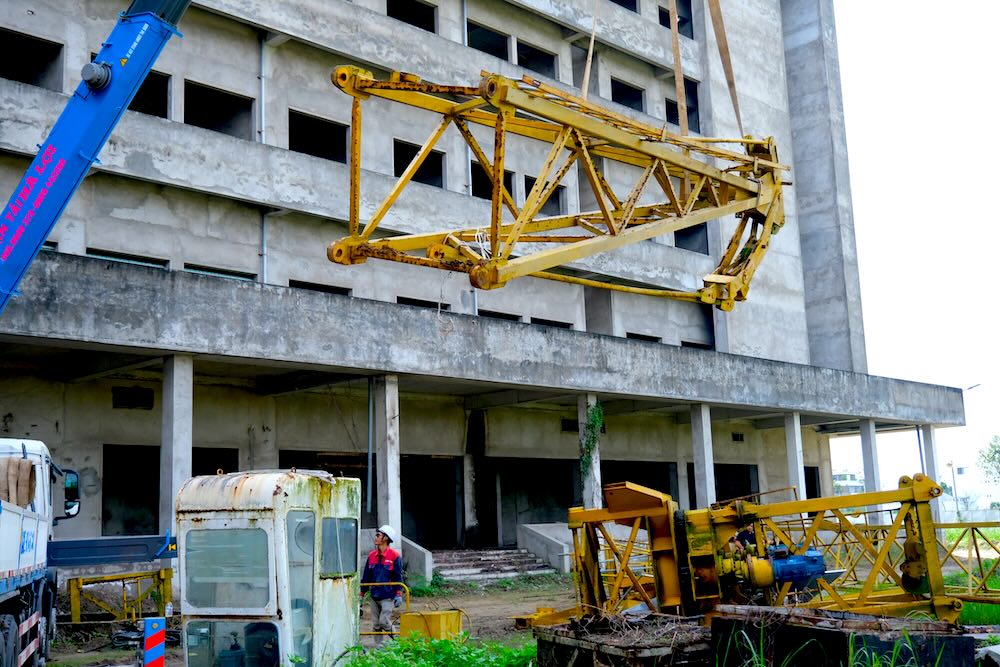
Or like at Can Tho City Oncology Hospital (facility 1, Chau Van Liem street) which is overloaded, while the hospital is seriously degraded. The team of doctors and patients always expect the Project to build a new 500-bed hospital (located on Nguyen Van Cu street) to be completed and put into operation soon, in order to reduce the current pressure.
According to Assoc. Prof. Dr. Hoang Quoc Cuong - Director of Can Tho City Department of Health, through management, most hospitals, health centers and health stations in the city have a common difficulty: infrastructure is degraded, and medical equipment is both lacking and outdated.
Currently, the Department of Health is summarizing and soon proposing to the People's Committee of Can Tho City to include it in the public investment list for the 2026-2030 period. It is expected to allocate more than 1,330 billion VND to invest in the construction of Can Tho Oncology Hospital, and about 2,900 billion VND to invest in 103 commune and ward health stations.
In addition, priority is also given to allocating to medical facilities for urgent investment in infrastructure, materials, and equipment. The Department of Health also encourages units to mobilize more socialized capital and loans.
Regarding this issue, at a working session with leaders of the Can Tho City Department of Health and public hospitals in the city on January 7, Chairman of Can Tho City People's Committee Truong Canh Tuyen said that investment and upgrading of the healthcare system needs a methodical and fundamental roadmap.
He requested the Department of Health to fully and specifically summarize the urgent and urgent needs of each medical facility so that the city can consider allocating appropriate resources, from the state budget, the Science and Technology Fund, the Development Investment Fund or mobilizing funding.
For units that have not been allocated capital, the City will consider supporting temporary repair costs to maintain medical examination and treatment activities, ensuring service to the people.


