
According to Hanoi regulations, from January 8, people must carry out waste sorting at source.
Accordingly, domestic waste generated from households and individuals is classified at source into 3 groups: Group of solid waste with reusable and recycleable capacity (waste paper, plastic waste, metal waste, glass waste, fabric, leather goods, wooden furniture, rubber, electrical equipment, electronic waste); group of food waste (excess food, expired food, vegetables, tubers, fruits, fruits...); group of other domestic solid waste (bulky waste, hazardous waste generated in domestic activities...).
Hanoi regulates packaging containing food waste groups with overall green color; packaging containing other waste groups with overall gray color; dangerous waste groups arising in daily life stored in packaging (except packaging with green and gray color), which are corrosion-resistant, waterproof, and do not leak into the environment.
Households and individuals must equip themselves with household waste packaging to store and transfer according to the plan corresponding to each type of domestic waste.
However, on the first day of deployment, many people said they were still confused and vague in sorting garbage. Meanwhile, many garbage collectors admitted that they had not been specifically disseminated about the collection method according to the new regulations.
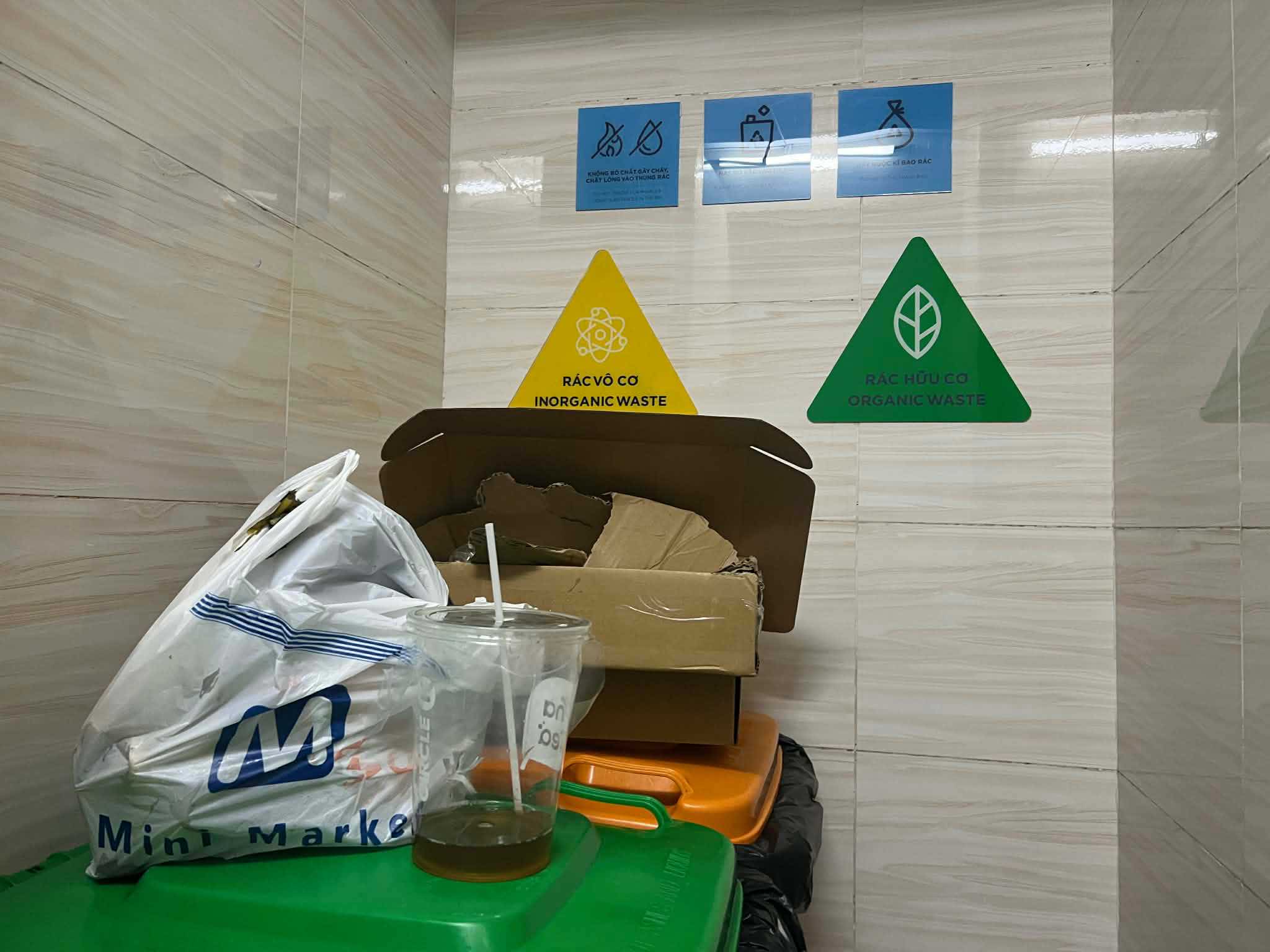
Mr. Tran Anh Tuan (Cau Giay, Hanoi) said that his apartment building has long implemented a waste sorting model. Accordingly, the people's waste disposal area has 2 orange and yellow trash cans, corresponding to inorganic and organic waste.
However, according to Mr. Anh Tuan's observation, most residents do not sort garbage before throwing it away. All types of waste are also not thrown in the correct bins as instructed.
Maybe because there is no one to supervise, no sanctions, people are also lazy to sort garbage" - Mr. Anh Tuan said.
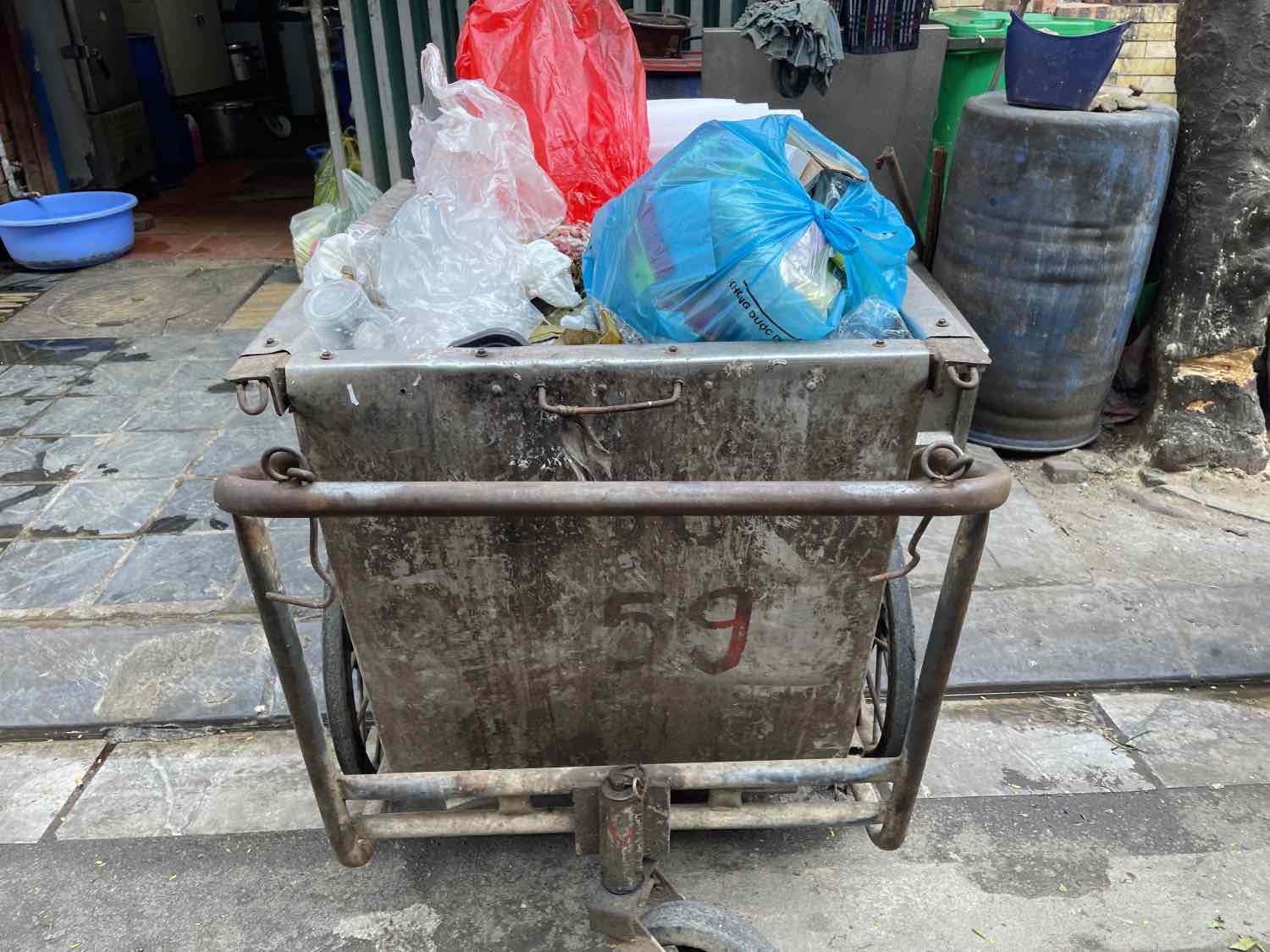
Meanwhile, Ms. My Hanh (Nghia Do, Hanoi) said that her family has not yet been informed about the sorting of waste at source as well as the use of colored waste bags according to regulations. "Currently, at home, I am still using old blue and red plastic bags to store domestic waste" - Ms. My Hanh said.
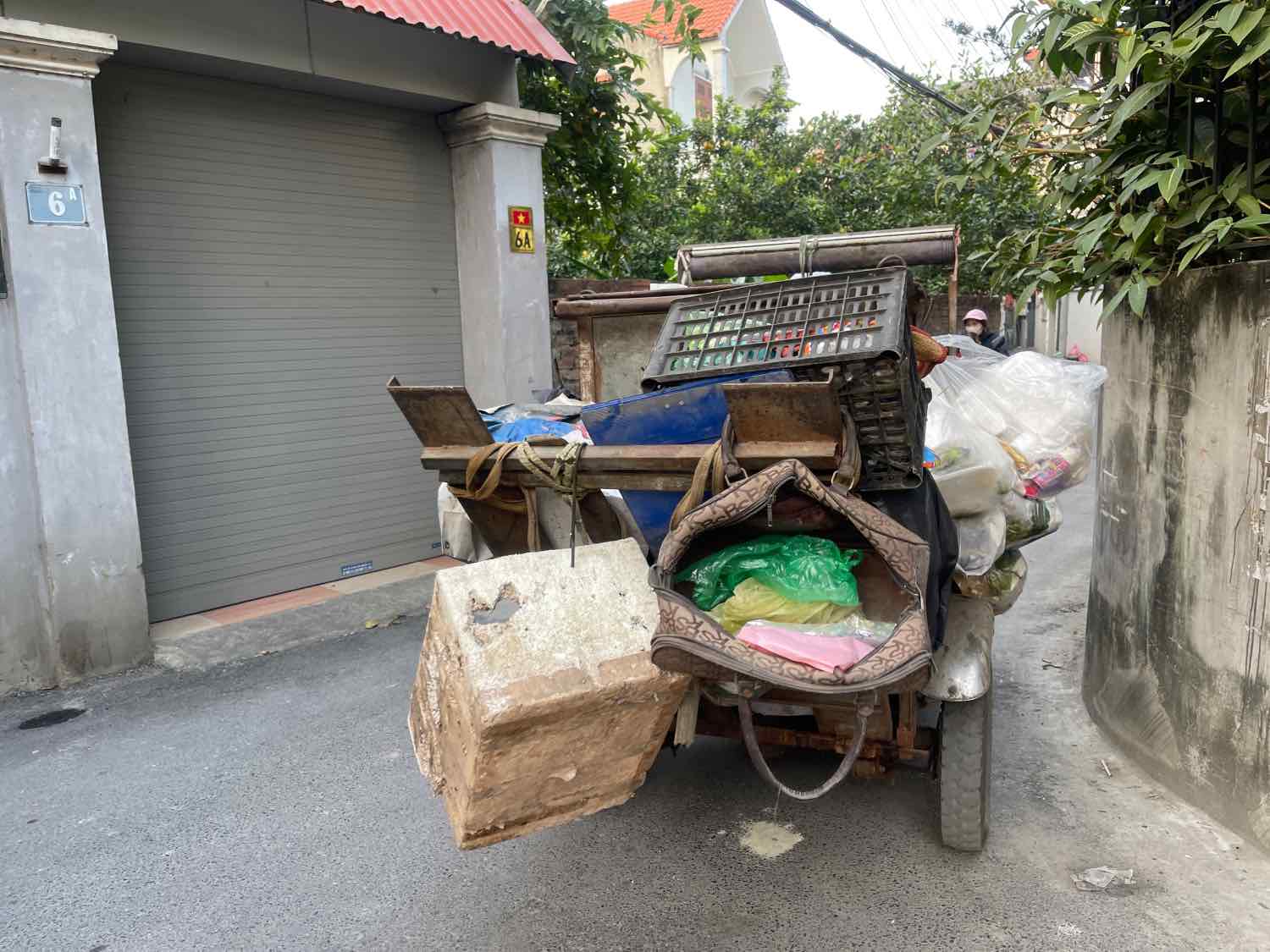
While regulations require waste to be classified right from the source, in reality, all domestic waste is still collected together, without any difference compared to before the regulation took effect.
Ms. Phung Hoa - a garbage collector in Viet Hung ward (Hanoi) said that as of the evening of January 7 - one day before Hanoi's regulations officially took effect, she and her employees in the company had not yet been informed of the new regulations as well as instructions on how to collect garbage in accordance with regulations.
Currently, all people's waste is still dumped by her into one garbage truck in the old way.
According to Ms. Hoa, if we deploy waste collection by type and check if people have properly sorted the waste, the collection time may be double or triple compared to the present. This means that the company must increase the number of employees to meet the large workload.
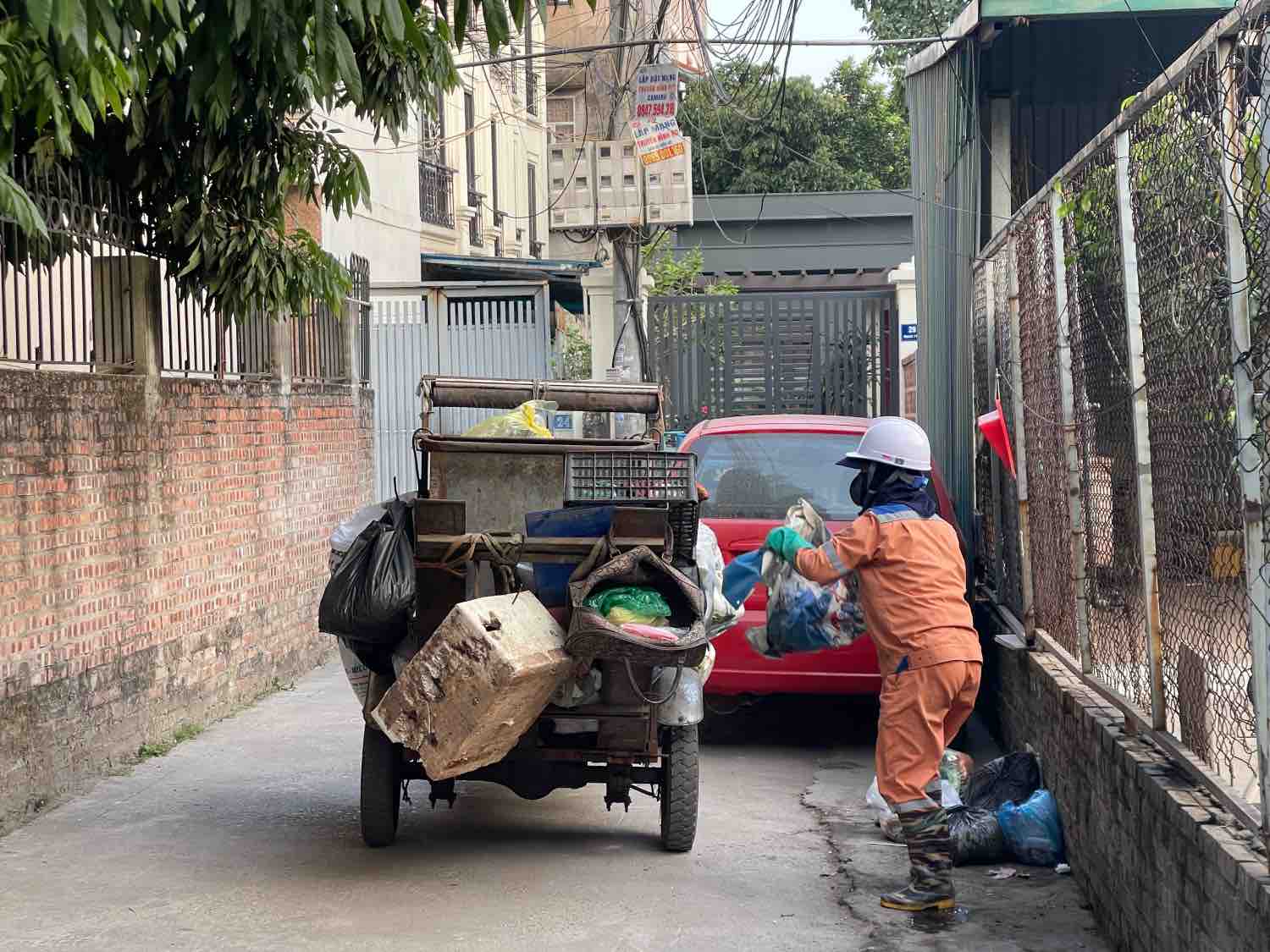
According to reporters' records, on some streets of the Capital, people still bring garbage out and dispose of it according to old habits, mainly nylon bags mixed with many different colors. At many garbage collection points, there are no color sorting bins as prescribed, and there are no instructions for people to recognize each type of garbage.
Waste sorting at source is expected to be an important step forward in urban waste management. However, records on the first day of implementation show that to make regulations more substantive, Hanoi needs more time and synchronous preparation from propaganda, infrastructure to collection organization.


