
Parents are subjective, children are hospitalized
Recently, hand, foot and mouth disease has tended to increase, in which many cases have worsened due to parents still being subjective, self-monitoring and treating at home.
Ms. Tran Le Thu Thao, a parent whose child is studying in a leaf class in Cai Nhum commune, said that when she saw her child have a mild fever, and a few red spots on her hands and mouth, she thought it was just a common cold, so she let him drop out of school and bought medicine for treatment at home.
It was not until the child had a continuous high fever, cried, and had poor appetite that the family worriedly took him to the hospital," Ms. Thao added.
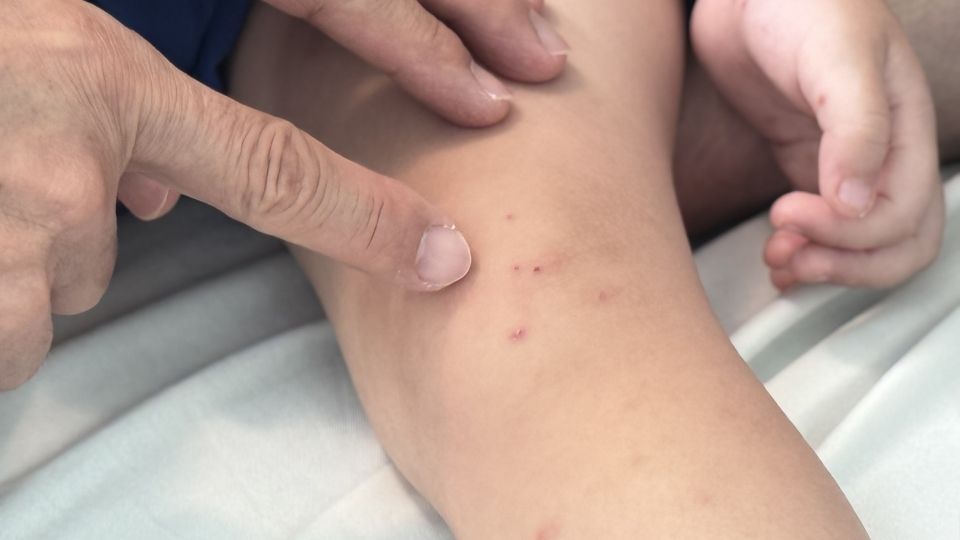
The case of Ms. Nguyen Thi Thu, residing in Cai Ngang commune, is also similar when she discovered that her child had signs of rashes and mouth ulcers but still thought it was just a common skin disease.
According to Ms. Thu, due to busy work, the family is slow to take the child to the doctor: "Only when the child is very tired and refuses to eat and drink, does the family take him to the hospital, then the doctor diagnoses hand, foot and mouth disease and must closely monitor.
According to medical facilities, hand, foot and mouth disease is a common infectious disease in young children, which can progress quickly if not monitored properly. Early detection and timely treatment play an important role in limiting severe cases.
Hand, foot and mouth disease increases in both cases and outbreaks
Talking to Lao Dong Newspaper, Ms. Ho Thi Thu Hang - Director of the Department of Health, said that the situation of hand, foot and mouth disease in the province has a clear upward trend compared to the same period last year, especially during the seasonal transition.
According to her, to date, the whole province has recorded 744 cases, an increase of about 2.3 times compared to the same period in 2025 (322 cases).
According to Ms. Hang, the number of hand, foot and mouth disease cases continues to increase, posing a risk of outbreaks in the near future, especially in schools, children's groups and crowded residential areas.
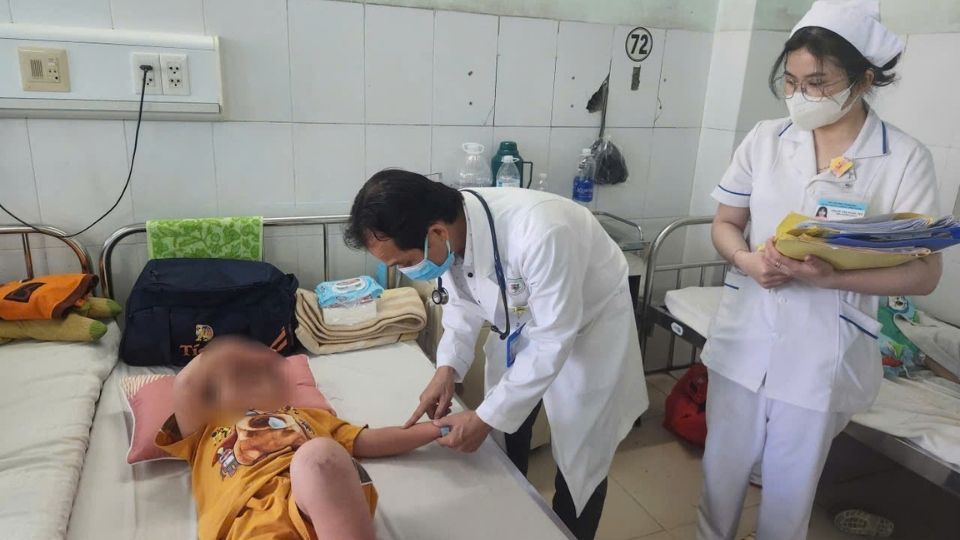
The health sector said that many people have not performed good epidemic prevention hygiene, increasing the risk of spread. The Department of Health has directed to strengthen communication in the community and schools in appropriate forms.
Medical facilities are also required to guide people, especially families with young children, to practice good personal hygiene, environmental hygiene, and wash hands regularly with soap.
Character names are changed upon request.


