
This is the result of a long-term contingency plan to ensure Saudi Arabia's oil flow continues, despite conflicts in the region.
A series of oil tankers have been diverted to Yanbu port in the Red Sea, making important compensation for global oil supplies.
Currently, crude oil exports through Yanbu reach about 5 million barrels/day, in addition to 700,000-900,000 barrels/day of refined products. Out of a total of 7 million barrels through pipelines, 2 million barrels are led to domestic oil refineries, ensuring domestic supply and for export.
The Yanbu line only partially offsets the supply shortage due to the closed Hormuz Strait, which transported about 15 million barrels/day before the war. However, "ignoring Hormuz" is the main reason why oil prices have not yet reached a crisis level like previous supply shocks.
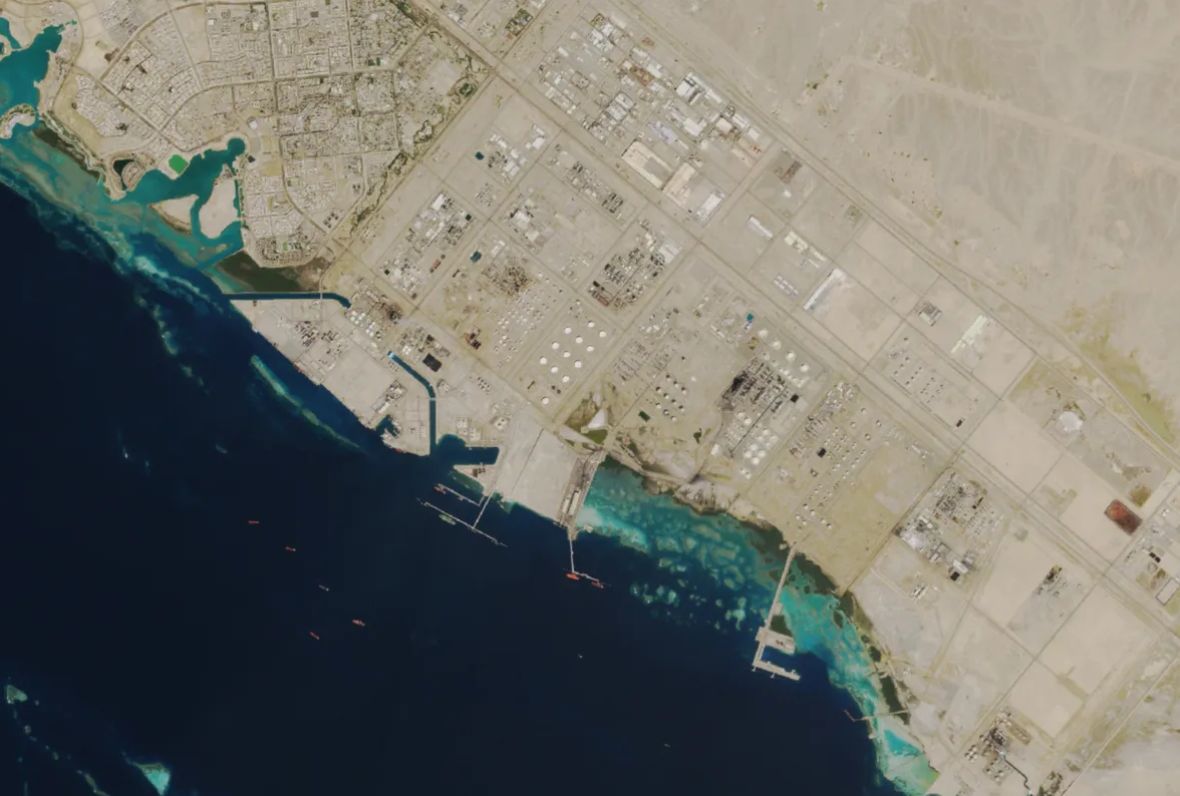
With the Houthi forces in Yemen declaring war, the oil market is concerned that the Red Sea could become a new front. Although there are no signs of attacks on ships crossing the Red Sea or the Bab El-Mandeb Strait, the Houthi have threatened regional transportation by unmanned aerial vehicles (UAVs) and missiles, creating potential pressure on supply security.
Saudi Arabia, known as a reliable "reserve oil supplier", has been preparing for decades for the scenario of the Hormuz Strait shutdown. This contingency plan was implemented just hours after US and Israeli attacks on Iran, and continuously increased oil exports through the East-West oil pipeline.
The pipeline, more than 1,000km long, running from oil fields in the east to the industrial port of Yanbu, is a legacy from the Iran-Iraq war in the 1980s. At that time, oil tankers were attacked in the Strait of Hormuz, but never faced an unprecedented near-closure level as it is today.


