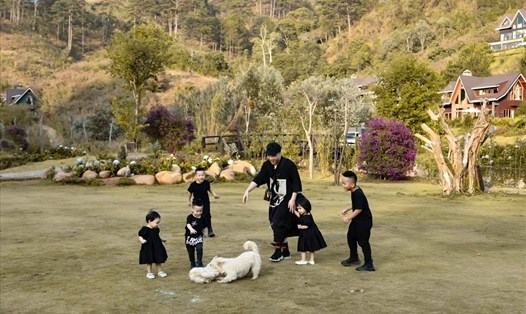
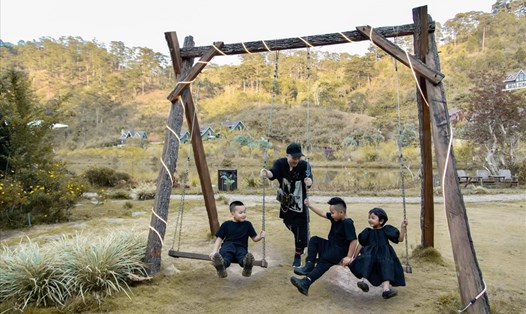
At the end of 2025, Do Manh Cuong and his children moved to live in a villa in Thao Dien area, An Phu ward, Ho Chi Minh City.
After receiving the house, the designer spent about 8 months renovating, decorating the space and planting trees to create a tropical-style garden.
One of the most prominent features of the house is the large number of paintings. Instead of focusing paintings in a separate room, Do Manh Cuong arranges them in almost every space, turning the residence into a miniature display room.
In the living room, large-sized paintings are placed in elaborate carved frames, combined with a system of crystal chandeliers, leather chairs, stone tables and decorative items. The space mainly uses neutral colors as backgrounds for colorful works.
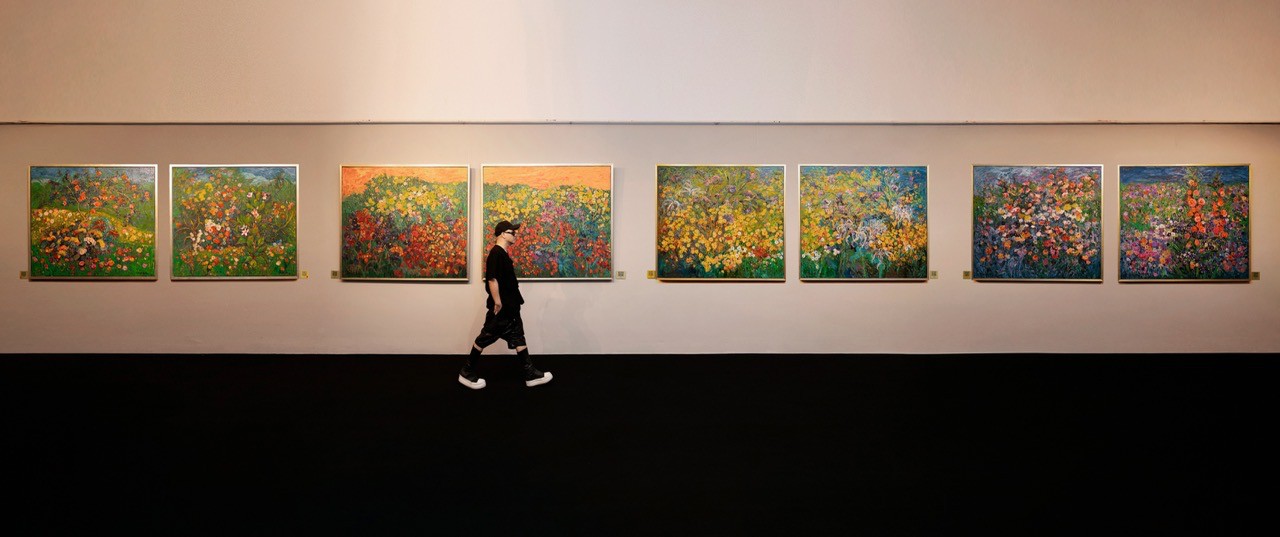
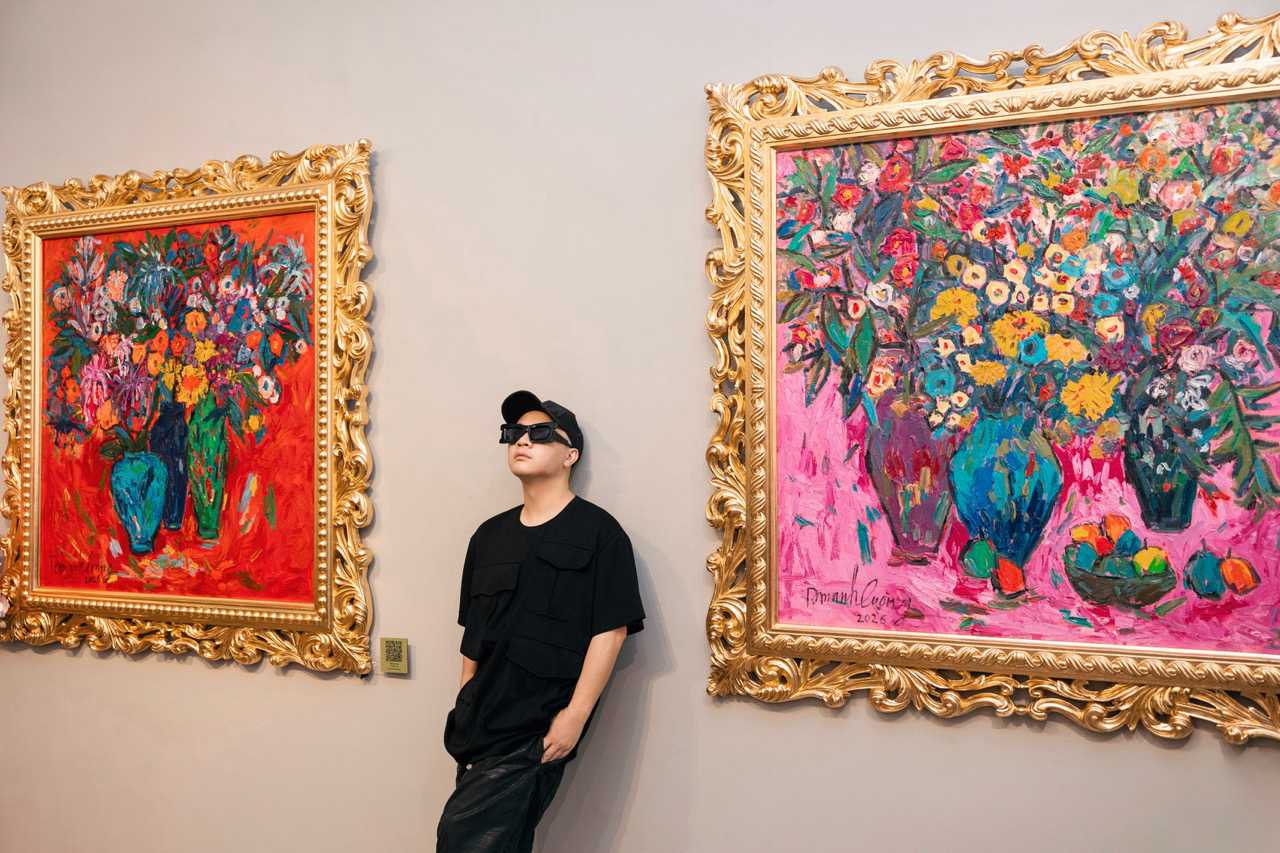
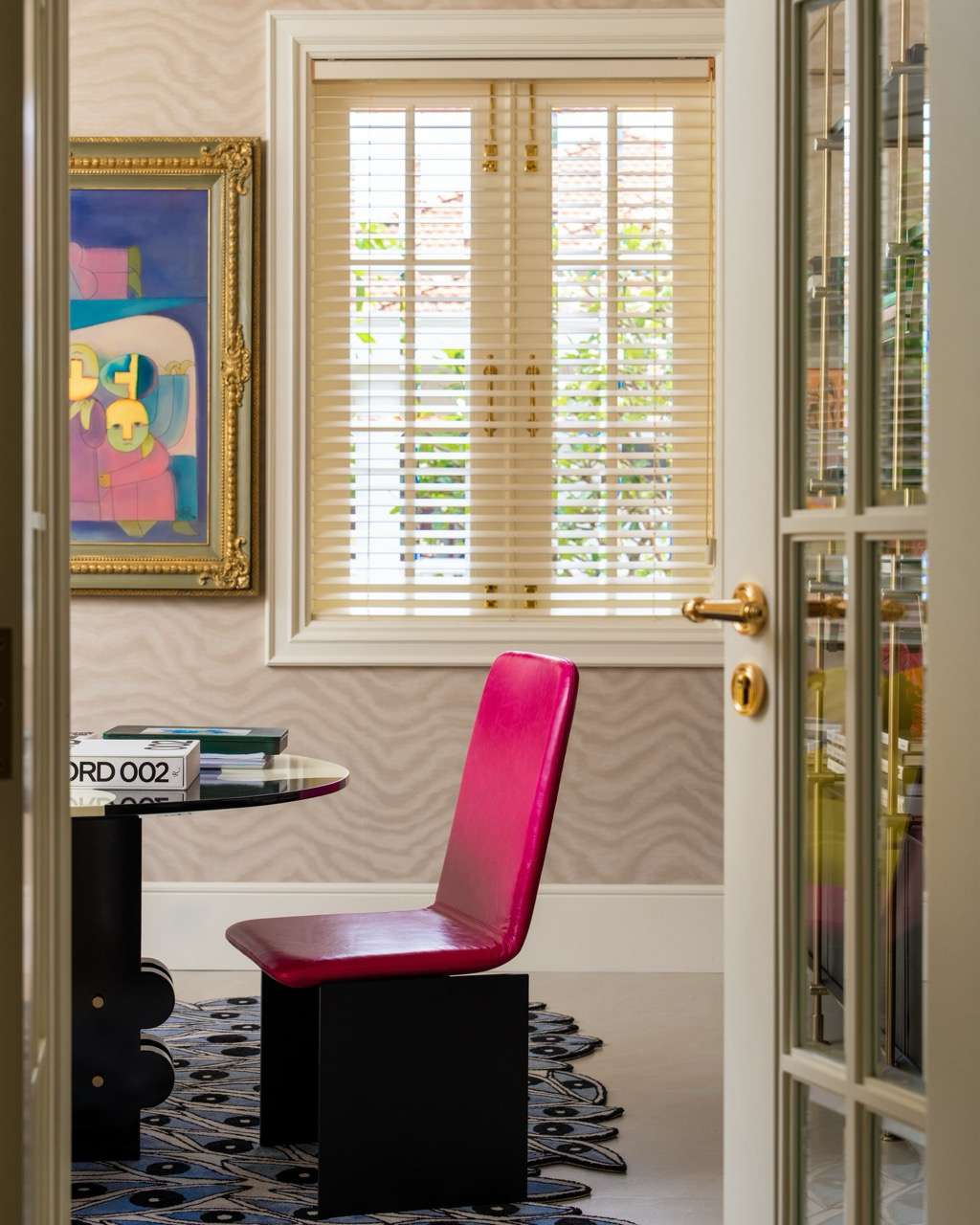
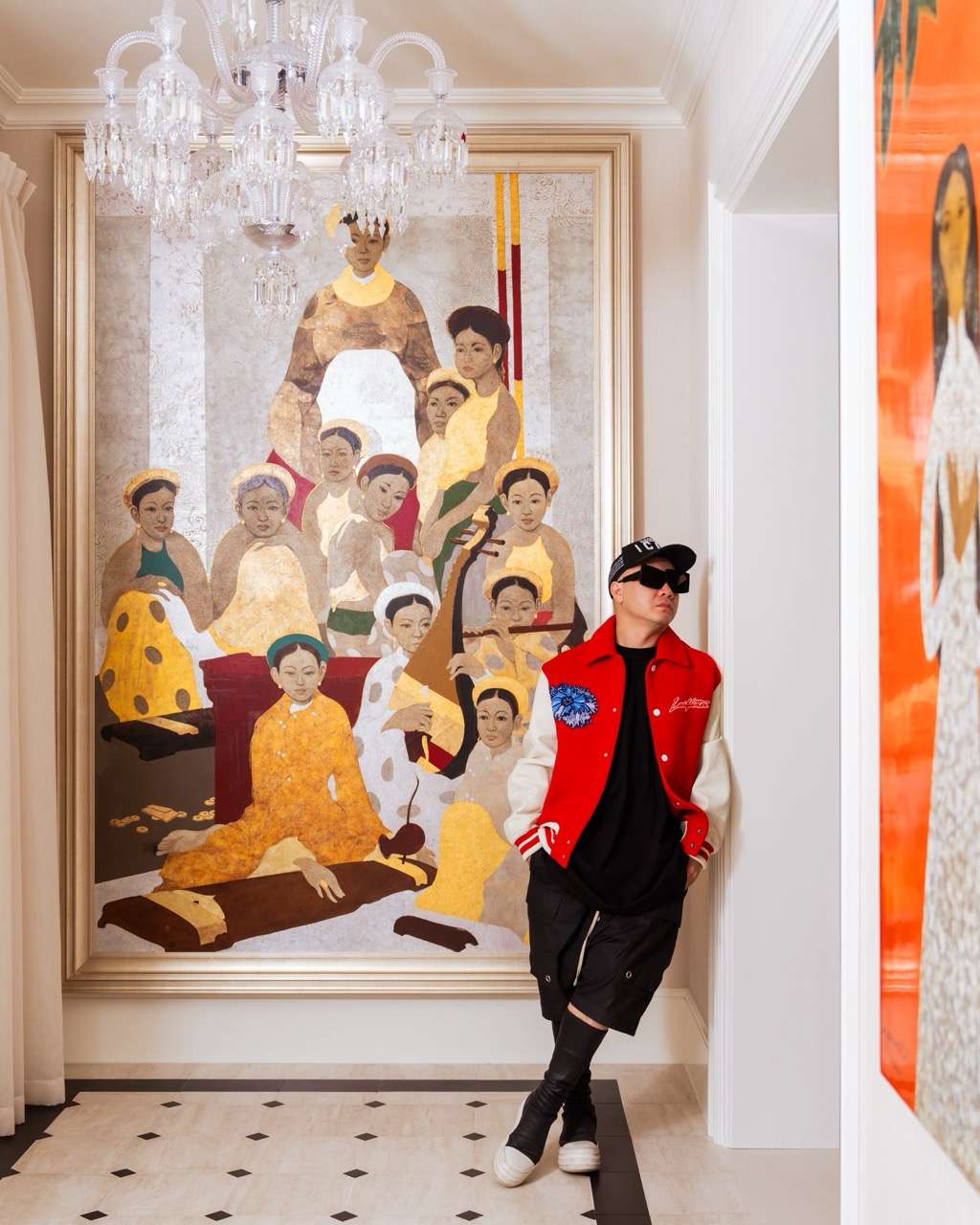
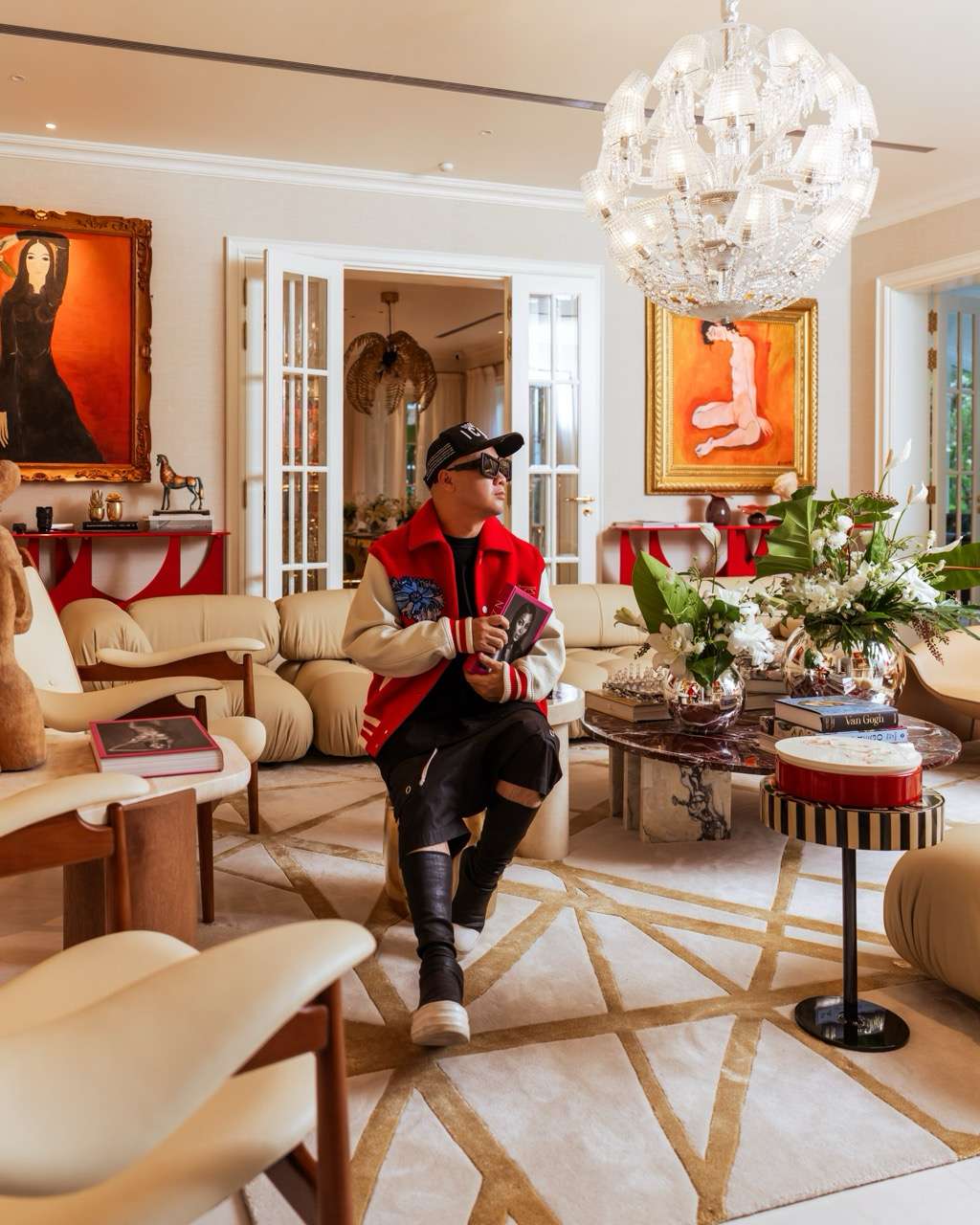
Some large paintings almost occupy the entire wall. The paintings are hung symmetrically or become the main viewpoint of each area instead of playing a decorative role.
Do Manh Cuong said that in the house there are both works created by him and paintings collected from many artists. Many works are large in size and value.
Not only in the living room, paintings also appear in corridors, stairs, offices and even areas near the kitchen. Small walls are also used to hang works. Among them, there are paintings made by the designer's own children.
After many years of working in fashion, Do Manh Cuong has recently spent more time on painting. Returning to his passion for painting also clearly affects how he builds his living space.
The designer has just introduced 75 works at the first solo exhibition called "Seasons of Flowers in Memory" at the Ho Chi Minh City Museum of Fine Arts. Most are large-sized paintings, using strong colors and flower images.
Some of his works have also been brought to the villa. Thanks to that, the boundaries between the living space and the art display space in the house have been narrowed.
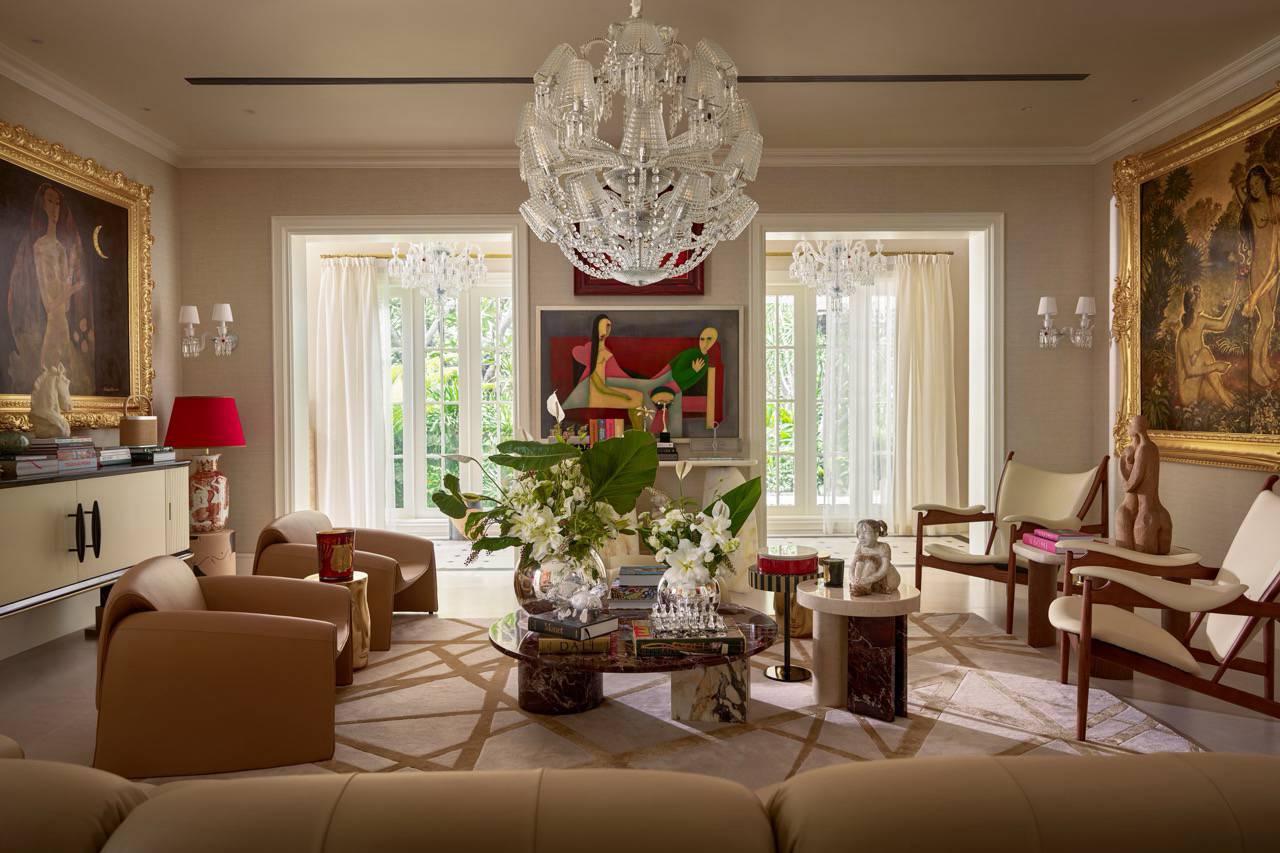
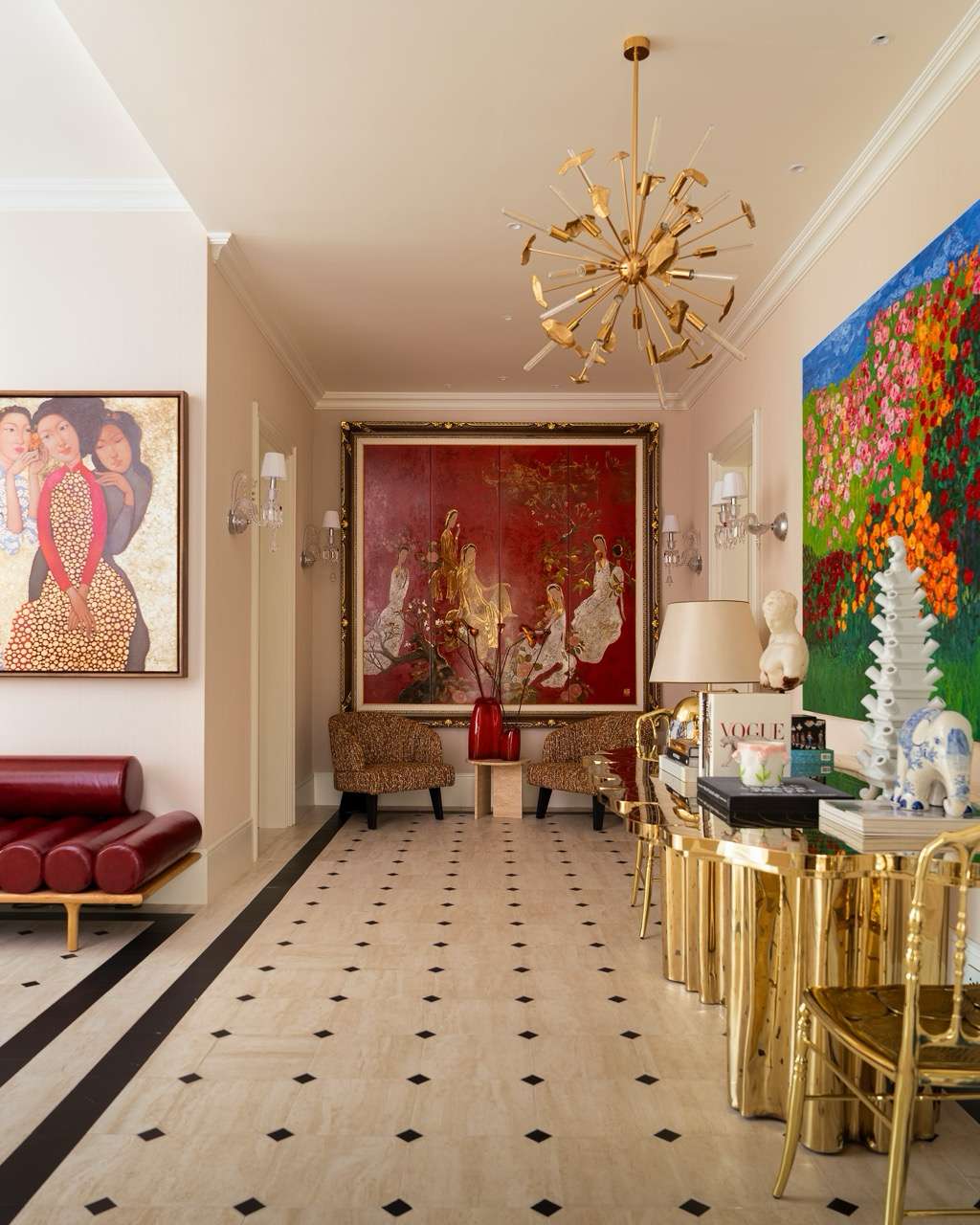
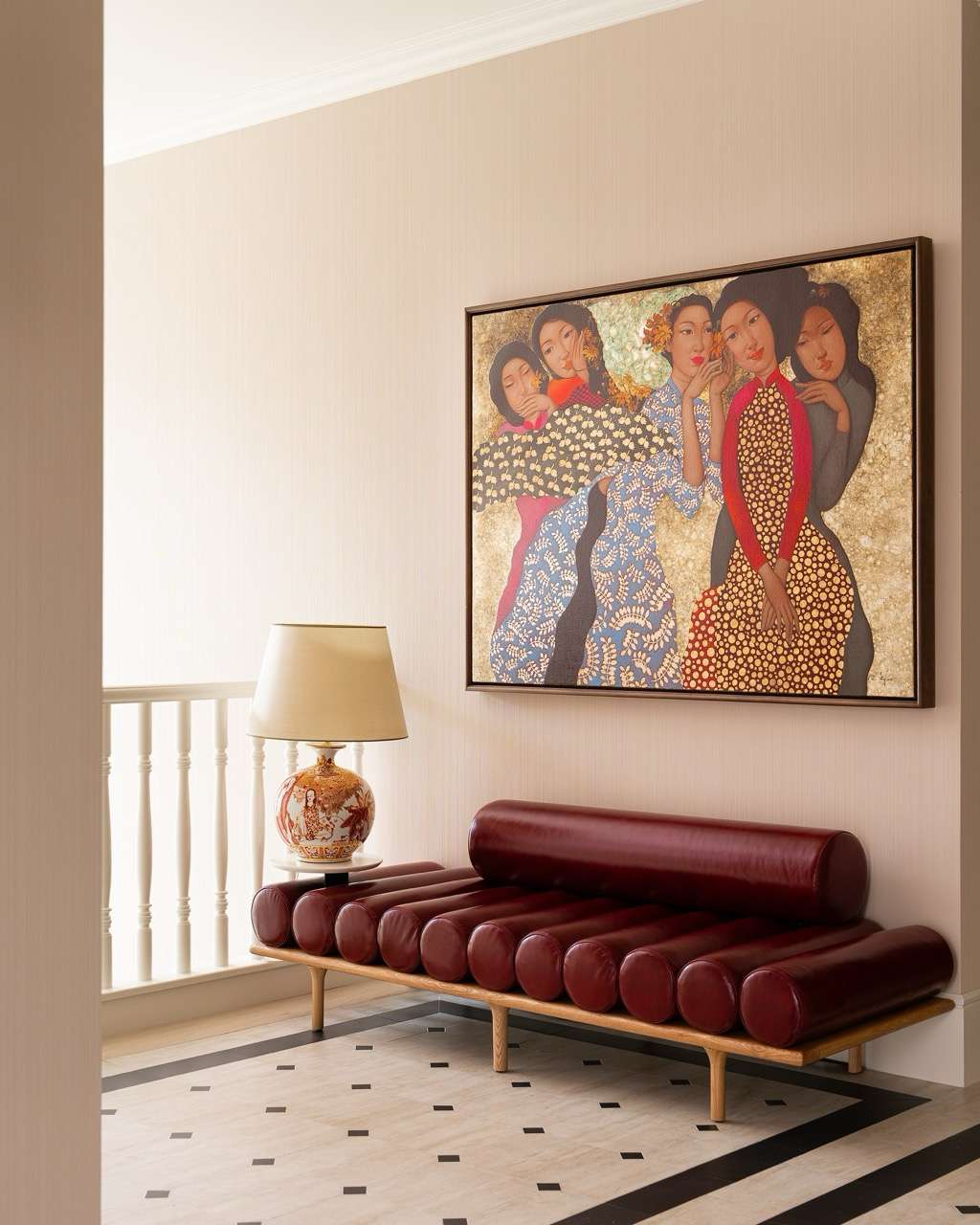
In addition to paintings, the villa's interior attracts attention because of the combination of many styles. Large-sized crystal chandeliers are placed next to modern-style furniture; gold-plated picture frames, stone tables and metal details create accents in the rooms.
Large glass panels help draw natural light and open the view to the green trees outside. This is also a balanced factor for the fairly dense density of paintings and decorations in the house.
Moving to the new villa also helps Do Manh Cuong's large family have more living space. Currently, the two children share a room, while the designer arranges separate dining space for the children.
The family's schedule is relatively fixed. During the week, children go to school, then attend extra classes at home or participate in talent classes and foreign language classes. Sunday is usually reserved for family activities. The villa grounds have a swimming pool and many green trees, becoming a place for children to play at home.
Notably, Do Manh Cuong did not announce the area or value of the villa. Therefore, instead of real estate figures, the most noticeable mark in his new residence lies in the way he uses space.
After about 8 months of renovation and completion of the garden, the villa not only meets the living needs of a large family but also reflects the owner's hobby of collecting and painting. From large-sized paintings in the living room to small works of children in the hallway, painting becomes a xuyên suốt element throughout the house.