
A case reflecting problems related to determining the type of "other papers" on land use rights when carrying out procedures for issuing red books. Accordingly, people have papers related to the land use process from before but it is not clear whether they are eligible for recognition according to current regulations or not.
Regarding this content, the Ministry of Agriculture and Environment said that current land law has specifically stipulated the types of documents used as a basis for issuing Certificates of first-time land use rights to households and individuals.
According to the provisions of Clause 1, Article 137 of the 2024 Land Law, the types of land use right documents have been clearly listed. At the same time, at point n, Clause 1 of this Article, the law also allows the use of "other documents" on land use rights established before October 15, 1993, as prescribed by the Provincial People's Committee in accordance with the local reality.
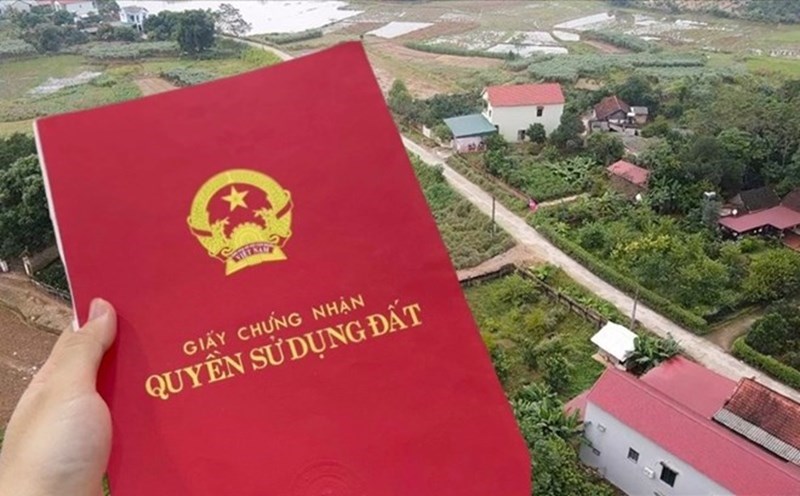
Basis for determining "other papers
The Ministry of Agriculture and Environment said that determining whether a document is considered "other documents" or not does not apply generally to all cases but depends on the specific regulations of each locality.
Provinces and cities will issue documents detailing the list of these types of documents based on actual conditions and land management history in the locality.
Therefore, land users need to compare their current papers with the regulations of the Provincial People's Committee where the land is located to determine its validity when carrying out procedures for issuing Certificates.
Cases without papers under Article 137
The Ministry of Agriculture and Environment also said that if the case does not belong to the types of documents specified in Article 137 of the Land Law, people can study and apply the regulations in Article 140 of the 2024 Land Law to be considered for issuance of Certificates under the category of having no papers.
Functional agencies recommend that when people have problems, they should contact the People's Committee of the commune where the land is located to check the dossiers and get specific guidance according to their authority, ensuring compliance with legal regulations.


