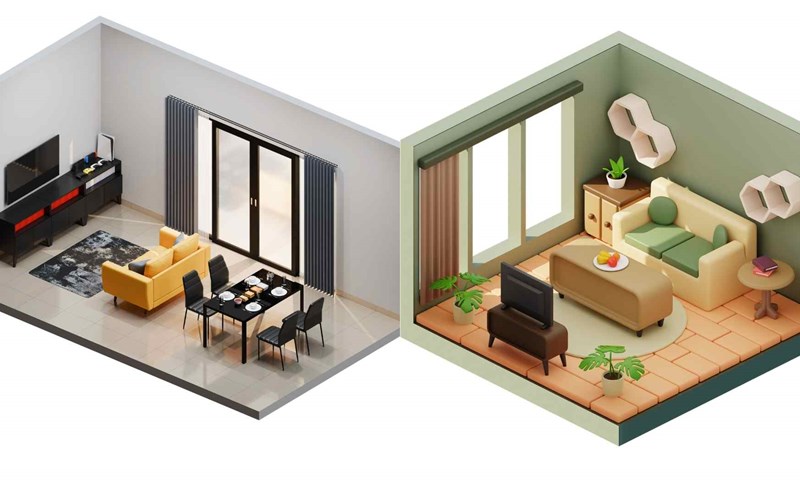
A neat, convenient entrance often requires basic items such as shoe seats, shoe cabinets and cabinets or shelves. If the area is limited, you can still take advantage of the space by designing a small cabinet integrated right next to the shoe seat. Thanks to this, items such as umbrellas, raincoats or handbags all have storage space, helping this area always be tidy.
Shoe replacement chairs can be designed with a hanging bottom, creating space underneath to place shoes or make putting on shoes more convenient. The ideal height for chairs or shoe shelves usually ranges from 450-500 mm, suitable for both the elderly and young children.
The middle compartment of the shoe cabinet can be opened, used to hang jackets or place small items such as keys, phones. The design combines a shoe cabinet and a hanging cabinet that not only helps increase storage space but also avoids messy shoes.
Even for apartments without separate entrances, this area is still very necessary in terms of function. Many families encounter inconvenience when there is no place to store shoes or items just brought from outside. Arranging a shoe cabinet or wall storage near the entrance is a simple but effective solution.
In case the door opens straight into the living room, you can arrange shoe replacement chairs, shoe cabinets and hangers along a suitable wall. This method both ensures convenience and avoids the feeling of disorder when clothes and bags are displayed in the common living space.
If the kitchen is near the door, a two-sided cabinet is a worthwhile choice. One side is used to store shoes and miscellaneous items, the other side serves the needs of storing kitchen utensils, helping to save significant space.
In small apartments or studios, where the entrance is often connected to the dining area - the shoe cabinet can be combined with an auxiliary cabinet to increase function. In addition, wall-mounted cabinet design is also an optimal solution, both saving space and increasing storage capacity.