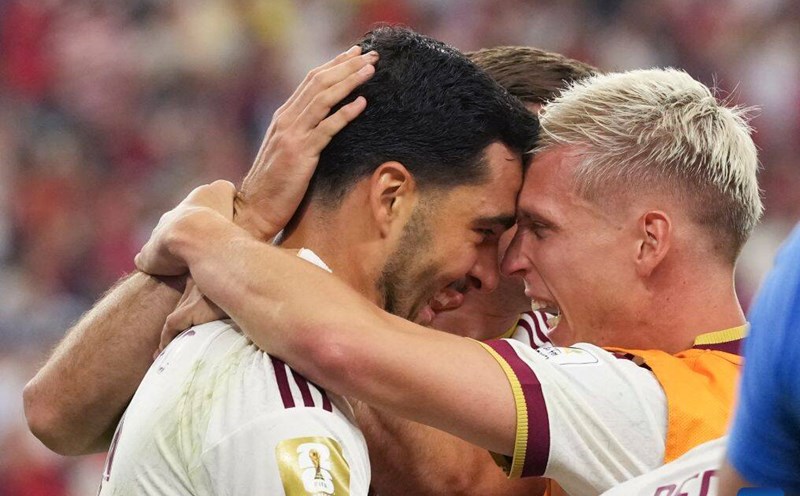
The 1-2 defeat to Norway in the round of 16 of the 2026 World Cup not only caused Brazil to miss the sixth world championship, but also exposed the fact that Selecao no longer maintains the dominant position as before.
It has been 24 years since Brazil last won the World Cup in 2002. After the defeat to Norway, they will have to wait until at least 2030 to nurture hopes of ending the title drought. If they continue to be empty-handed, the waiting period will reach 28 years - exactly the gap between the two championships in 1970 and 1994.
This defeat is a big shock to the football nation that has been five times world champion. Meanwhile, many other powers are not much better when Germany was eliminated right from the round of 32, and Italy even did not participate in the finals.
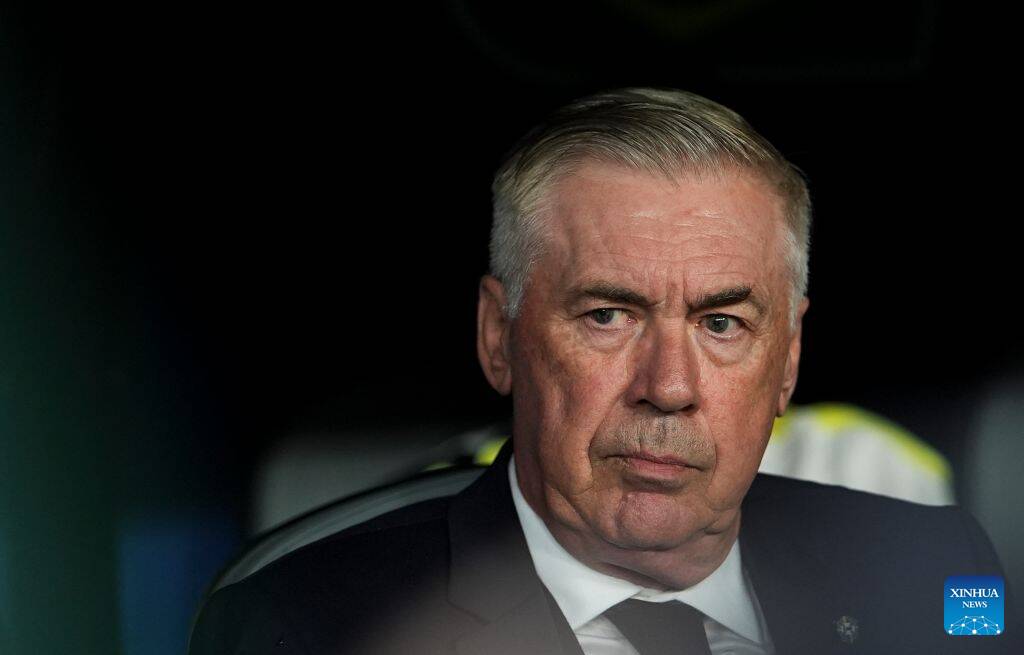
Notably, Brazil has not yet defeated any European opponent in the World Cup knockout round since the victory over Germany in the 2002 final. That disappointing streak of achievements is one of the reasons why the Brazilian Football Confederation decided to appoint Carlo Ancelotti.
Immediately after the defeat against Norway, Ancelotti affirmed that he had never thought about resigning.
Today we have to accept disappointment. From tomorrow, the Brazilian team will begin to look to the future. This is the beginning of a new cycle, not the end" - the Italian coach emphasized.
However, whether Ancelotti will continue to receive trust is still a big question mark. Despite the contract lasting until 2030, all commitments can change if the Brazilian Football Confederation loses faith.
One of the biggest problems of Selecao is that they only controlled 36% of the ball against Norway - a difficult number to accept for a team that is famous for its imposing playing style.
Although Brazil's expected goal score (xG) reached 2.61, far exceeding Norway's 1.05, this statistic was somewhat affected by two penalties. In which Bruno Guimaraes missed, and Neymar only scored a consolation goal in injury time.
Reality on the field shows that Norway is the team that plays more cohesively and effectively. They take advantage of the opportunities created, while Brazil misses many good chances, the most regrettable being Endrick's one-on-one situation.
Ancelotti explained that Brazil actively retreated to limit Erling Haaland's counter-attacks. However, this approach caused Selecao to lose their inherent identity.
Brazil used to be a team that made every opponent wary, but against Norway, they played with a hesitant attitude. That becomes even more unacceptable when the defense still possesses world-class center-backs like Gabriel Magalhaes and Marquinhos.
In the opposite direction, Haaland still easily escaped marking to score both goals, showing large gaps in Brazil's defense system.
Ancelotti declined to criticize any individual after the match. He also did not blame tactical adjustments or personnel changes, including bringing Neymar and Endrick on in the second half.
Instead, the Italian strategist emphasized the positive aspects of the team, from young talents to veterans who are still valuable. However, Brazil's problem is not just in one match.
Selecao's squad depth is no longer as superior as before. When Wesley was injured, Danilo, who was about to turn 35, had to return to play right-back. Raphinha's injury forced Brazil to give a chance to 19-year-old Rayan, and the absence of Lucas Paqueta forced Ancelotti to change the entire midfield structure. Even reserve options like Endrick or Neymar were not enough to make a difference.
The advantage in personnel quality that once helped Brazil dominate world football for decades is no longer there. In an increasingly balanced football world, Selecao can no longer win with just fame or tradition.
Ancelotti still believes Brazil is at the starting point of a new cycle. But to realize the dream of winning the World Cup for the sixth time, he will have to rebuild the team in a context of competition fiercer than ever.