
Since Michael Carrick took over the coaching bench at Manchester United, no team has won more points than them in the Premier League.
If they maintain their current form throughout the season, Man United will finish with about 84 points - a record enough to compete for the championship in most recent seasons. Even if Arsenal wins both of the last 2 matches, they will only reach 85 points. Therefore, the assessment of some fans about Man United's ability to compete for the championship next season is not entirely unfounded.
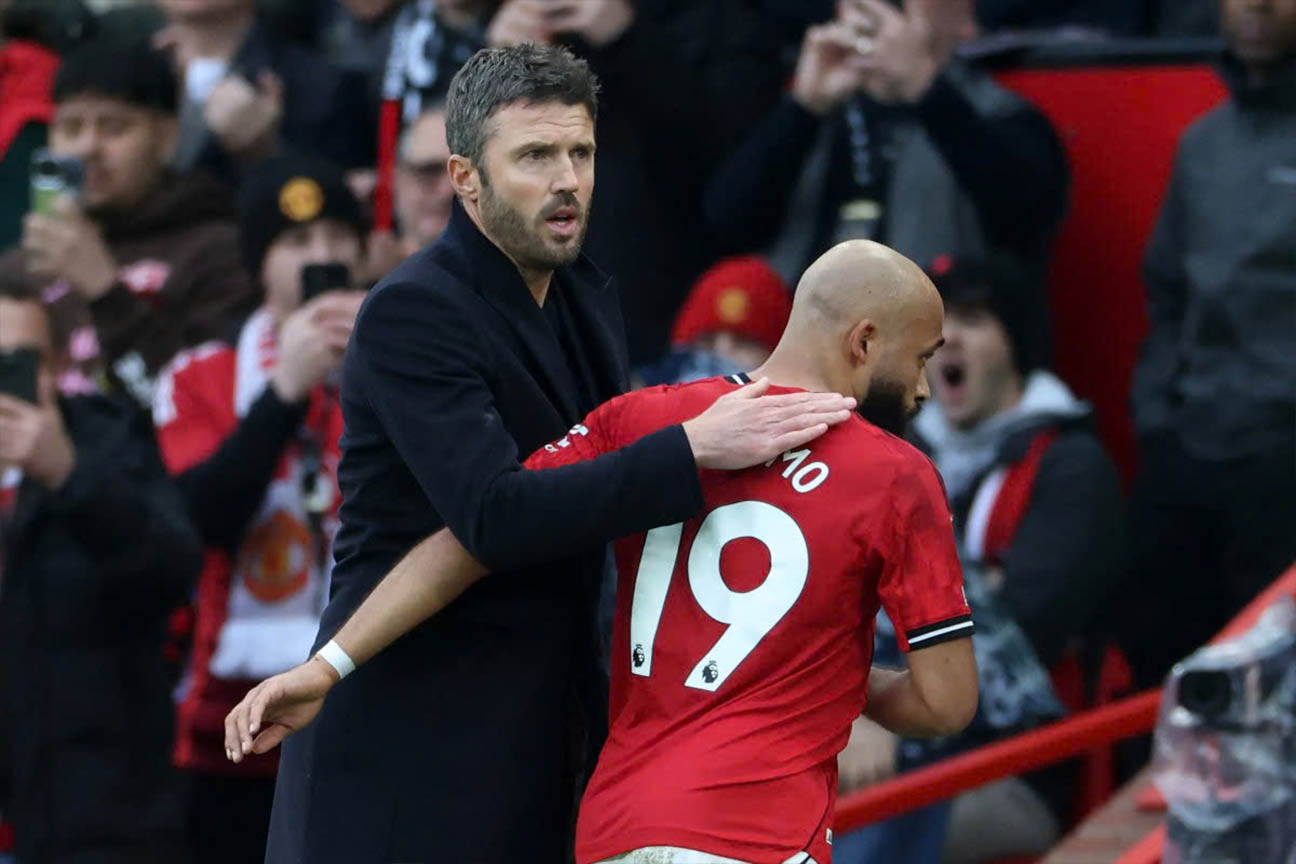
Not only improving results, Carrick also solved one of the biggest problems under Ruben Amorim. That is how to use players who grew up from the academy.
Under Amorim, names like Marcus Rashford or Alejandro Garnacho are gradually being pushed out of the plan because they are not suitable for the tactical system or personnel management of the Portuguese strategist. Meanwhile, Kobbie Mainoo has almost no chance to play.
Mainoo was only used for about 12% of the minutes played in the Premier League under Amorim. However, since Carrick took over, that rate has skyrocketed to 92%. The young English midfielder has even extended his contract and publicly affirmed his willingness to "sacrifice everything" for the new coach.
If they want to return to the title race, Man United understands that they need to build a squad around "homegrown" talents - just like Liverpool or Arsenal did.
Trent Alexander-Arnold and Bukayo Saka are typical examples. If they have to buy players of similar class in the market, teams may have to spend hundreds of millions of pounds on transfer fees and salaries. Owning stars who have grown up from the academy helps them save significant budget to invest in other positions, thereby building a team that competes at the highest level.
The Red Devils" hoped Mainoo could develop in a similar direction. And more importantly, Carrick showed that he was willing to give real opportunities to young talents - something his predecessor had not done.
Besides the human factor, Carrick also created major changes in tactics. Under Amorim, Man United pursued a fast and direct playing style, creating many chaotic situations at both ends of the field. Conversely, Carrick built the team in a more controlled and stable direction.
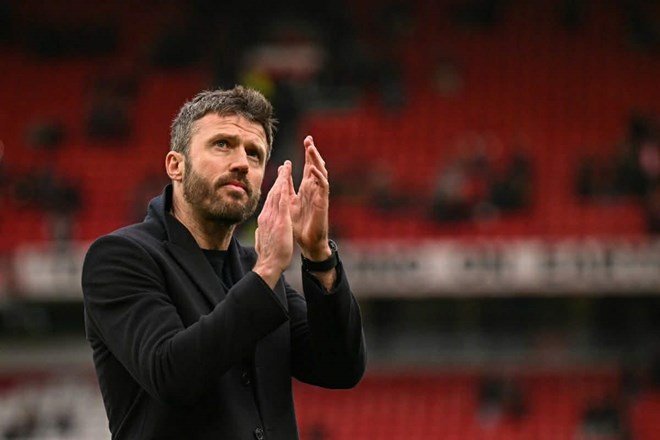
Man United is no longer pressing too intensely as before, and at the same time clearly improves the ability to deploy the ball under pressure. The team plays more calmly in controlling the ball and limits confused situations when switching states.
Carrick has restored confidence in young players, reshaped the tactical system and brought in more points than any other team in the Premier League since he took over. But the big question remains, is that enough to convince the board of directors to give him a chance to lead Man United for a long time?


