
Michael Carrick's statements after the 1-1 draw with Fulham surprised many people. The Man United coach affirmed that the team was not passive and did enough to win, while the opinions from experts and the players themselves are not completely the same as him.
Matheus Cunha frankly admitted that Man United only played better after conceding goals: "We always play better after conceding goals. This cannot continue".
That is the issue Carrick needs to pay attention to. After 5 rounds, Man United has only 5 points and the limitations in their operation are increasingly clear. They control the ball a lot, launch many shots, but attacks often lack connection. Many situations end with a long shot or a cross before Man United has to reorganize from behind.
The "Red Devils"' attacking system does not have clear enough options to maintain pressure. They often have to wait for a personal or emotional moment from the player to change the game.
The draw with Fulham is a typical example. Man United created many chances but Fulham had more coherent attacks. Cunha's equalizer came after a shot hit the post before changing direction into the net. A lucky moment helped Man United avoid defeat, but did not solve the problems in the playing style.
Bruno Fernandes continues to be the center in most of Man United's deployments. However, the Portuguese midfielder has to retreat deep and cannot often appear in the area near the penalty area. When Fernandes cannot promote his influence, M.U also lacks a plan to connect the midfield with the attack.
This situation once appeared in the Manchester derby. It shows that Man United is still heavily dependent on Fernandes, while the opponent has quite well understood how to limit the influence of this midfielder.
Carrick is also affected by personnel issues. Man United only recruited 3 players in the summer transfer window, all playing in the central midfielder position. Meanwhile, the gaps in other positions have not been resolved, especially on the two wings.
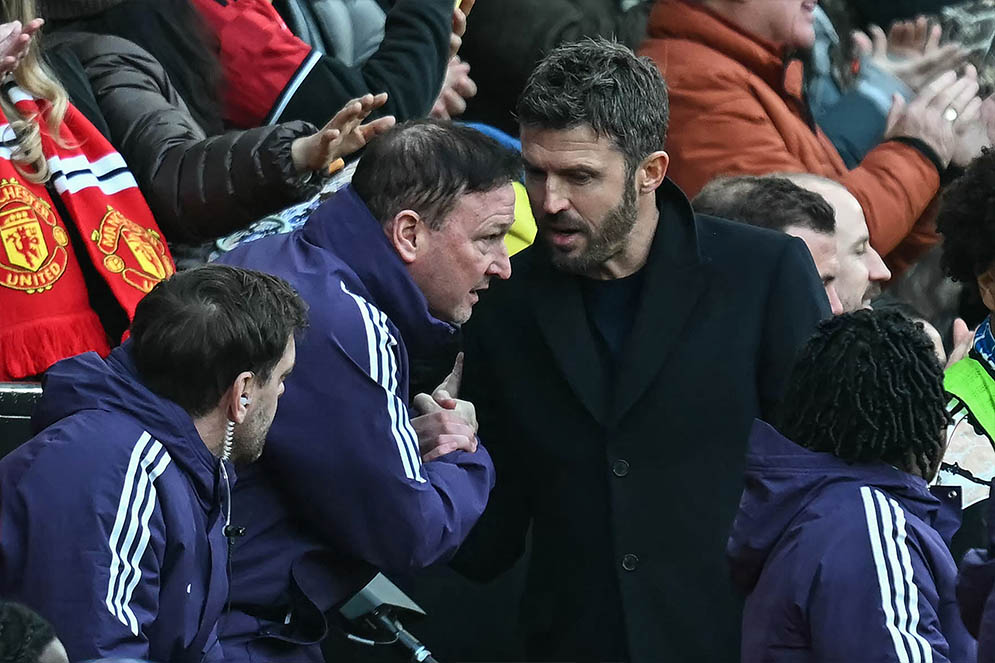
Carlos Baleba, when he returns, can help the midfield increase strength and tackling ability. A new full-back in the January transfer window can also help Carrick have more options. However, personnel is not the only reason. How the current players connect with each other in a new system is a more important issue.
Carrick once impressed during his interim period. He helped Man United after Ruben Amorim become clearer about how to operate, and at the same time took advantage of a favorable schedule. Not having to bear pressure as an official coach also gives Carrick more space to work.
He is also highly appreciated for his ability to improve the atmosphere in the dressing room. Man United is no longer feeling as tense as in the late Amorim era. This is one of the bright spots during Carrick's time leading the team.
But when becoming an official coach, the requirements also change. Poor results will quickly increase pressure, especially when Man United has not yet formed a convincing playing style.
The draw with Fulham helped Man United avoid another defeat, but did not solve bigger problems. Carrick needs to prove that he can build a stable system instead of relying on personal moments.


