
Manchester United's first goal against Man City last weekend sparked a special emotion at Old Trafford. It was not just a normal celebration moment, but a feeling of faith, something that had disappeared for too long in recent months of instability.
That moment reminded many people of the classic counter-attacks in the history of the "Red Devils", especially the goals against Arsenal in the golden period. From the 2009 Champions League semi-final with Cristiano Ronaldo, Park Ji-sung and Wayne Rooney, to the victory in the Premier League a year later when Nani and Rooney led destructive counter-attacks.
Bryan Mbeumo's opening goal against Man City also had a similar spirit. It was not just a quick counter-attack, but decisiveness, speed and confidence were clearly shown. Amad Diallo and Mbeumo accelerated without hesitation, while Bruno Fernandes appeared in the right position to coordinate the pace of the ball - a rare image of Man United recently.
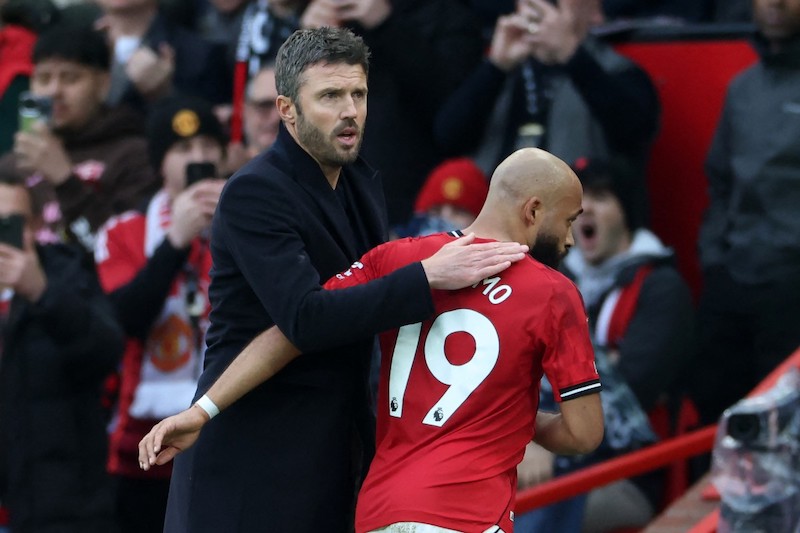
The derby victory came in the context that Old Trafford had accumulated too much disappointment. The lackluster performances against Wolves, West Ham and Burnley last month made fans almost unable to know where victory would come from.
Therefore, the victory against Man City is more meaningful than 3 points. That is Man United's best 90-minute performance in many years. However, Carrick's coaching staff understands that they should not be too excited. Man United has shone many times and quickly returned to harsh reality. The match against Arsenal will be a big test, but the real measure lies in the subsequent series of matches with Fulham, Tottenham and West Ham.
This stage will decide whether Man United is really capable of competing for a Champions League spot or not.
Changes under Michael Carrick
Through training sessions at Carrington last week, clear changes can be seen in the way the team operates.
Carrick still maintains the training structure of his predecessor Ruben Amorim, but has adjusted in a shorter and higher intensity direction. The training session duration is shortened, while movement pressure and handling speed are significantly increased.
In addition, the new coaching staff - including Steve Holland, Jonathan Woodgate and Travis Binnion - is particularly focused on personal work with each player, which was previously limited in the previous period.
Steve Holland, with his rich experience at Chelsea and the England national team, created a clear influence in training sessions. The determination and continuous encouragement of players to maintain high intensity contributed to creating a rare positive atmosphere at Carrington.
Under Amorim, Man United spends a lot of time on tactics and squads, but that does not bring the necessary stability. Carrick chooses a simpler approach by increasing the pace, reducing tactical pressure and encouraging players to enjoy playing.
The message he conveys is very clear - playing football with joy, but must understand responsibility and privilege when wearing the Man United shirt.
Hope or just a moment?
The victory over the arch-rival in the Manchester derby brought new faith. But Man United has fallen many times at this moment.
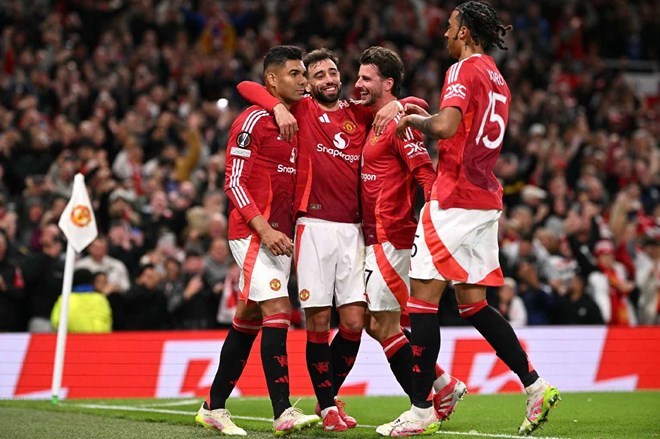
Professional data still shows that the team is not really stable. Previous victories often did not come with convincing performances, and many points came from late efforts rather than the overwhelming game.
Therefore, the biggest question at this time is not whether Man United can beat Arsenal or not, but whether they can maintain that form in the following weeks.
After 14 months of chaos under Amorim, what this team needs most is probably not new tactics, but finding the joy of playing football - what once made Man United's identity.
If Carrick and his associates can keep that, the Champions League dream next season is not a dream at all. But if not, the derby victory over Man City is very likely just a beautiful moment before reality pulls them back to earth.


