
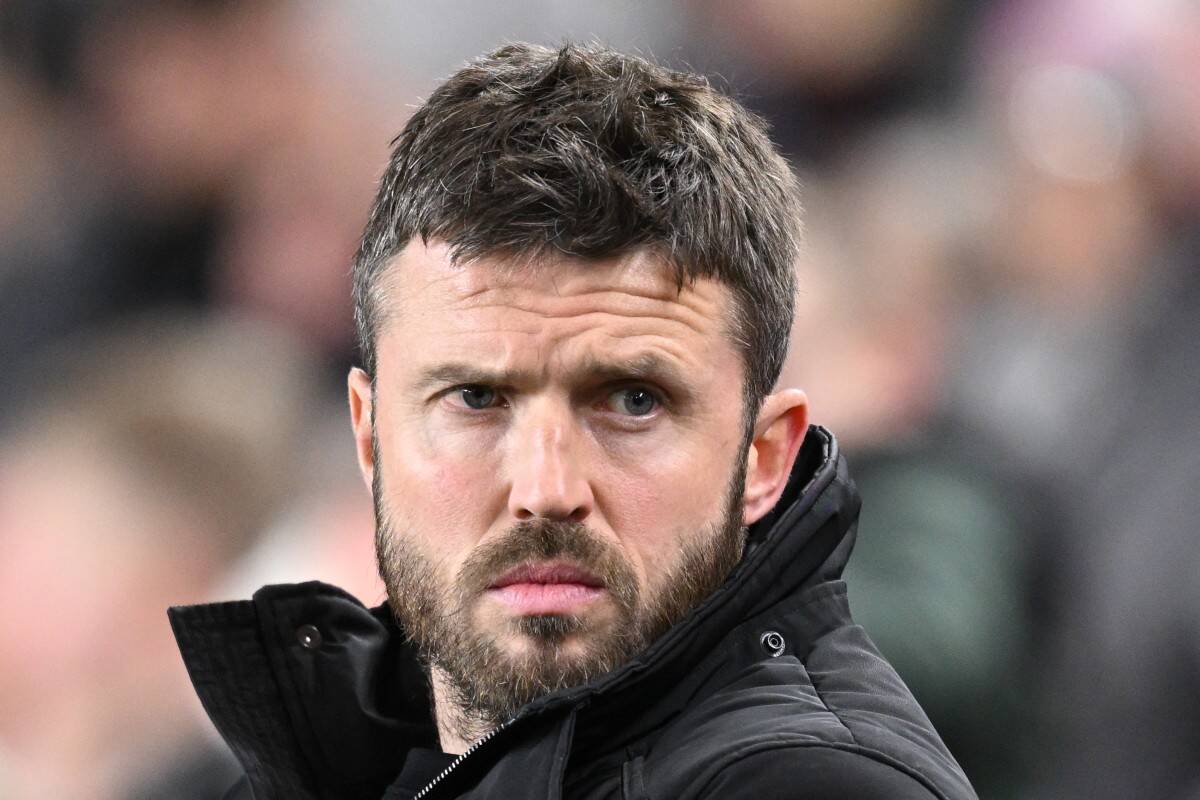
Manchester United is falling into a dilemma. They appoint Michael Carrick until the end of the season to "gain time", stabilize the dressing room and open up space for the board to find a long-term head coach.
However, 3 consecutive victories and the rapidly changing atmosphere at Old Trafford have turned interim responsibility into a new pressure. And Carrick is running out of Man United's time.
On paper, Carrick was only assigned the task of cleaning up the consequences after 14 months of Ruben Amorim's turmoil. He brought the team back on track, brought tactical clarity, dragged Man United into the European Cup race, and allowed CEO Omar Berrada and Football Director Jason Wilcox to do the most important job.
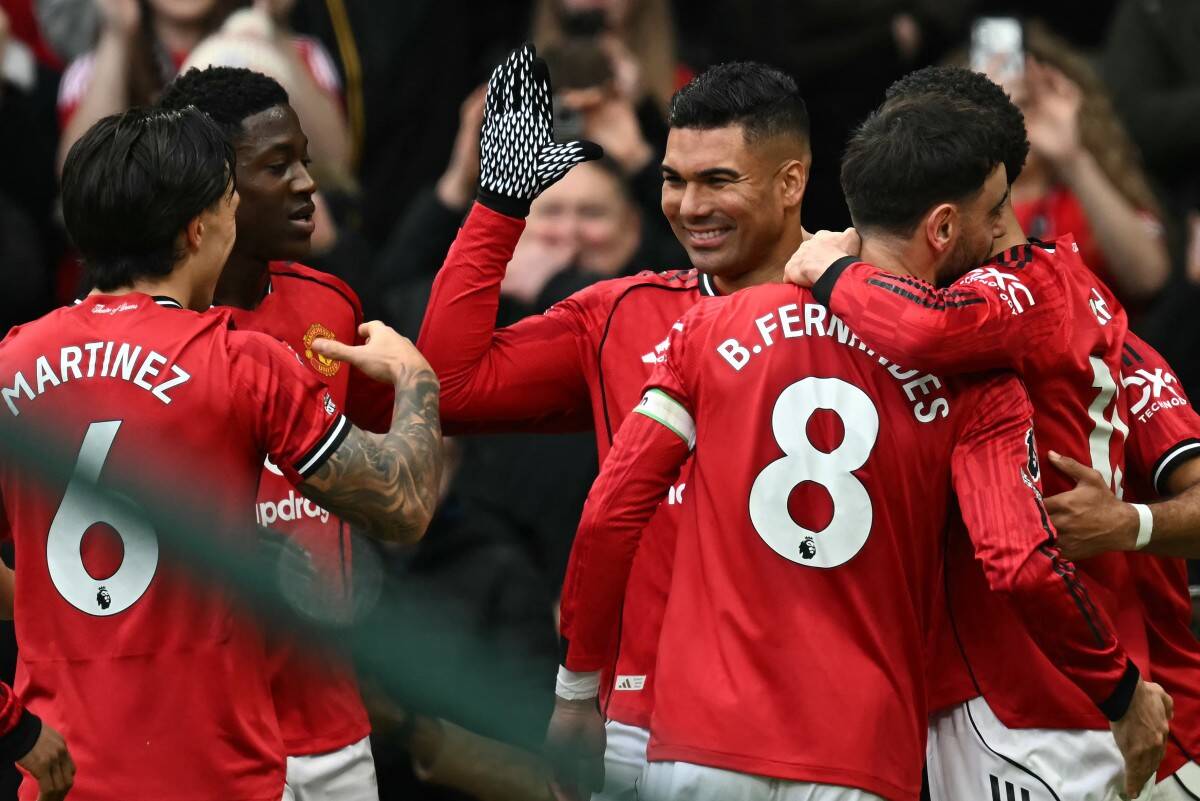
That is choosing the right official successor. But the more he wins, the more Carrick pushes Man United's decision-making machine into a position where it has to choose faster than planned.
Ideally, the "Red Devils" can wait until the end of the season to evaluate everything. They will wait and see if the team finishes in the top 4, top 6 or goes empty-handed, and then finalize the suitable person. But that is a "beautiful" way of thinking, not realistic.
A club that wants to return to the top cannot let everything hang until the summer before acting. The coaching market and the transfer market both operate in a race to gain an advantage, and hesitation often means losing goals.
Man United's problem is not just choosing a name, but choosing a type of coach. A young, long-term builder, or an experienced "old fox"? Do they dare to cut off Carrick - who is doing too well - to pursue a coach of Thomas Tuchel or Carlo Ancelotti's stature? Or conversely, do they accept "riding the winning horse", even though Carrick has not yet been verified at the highest level, to avoid breaking the recovery momentum?
The story becomes even more confusing when many potential candidates are tied to contracts, or may have other destinations. Tuchel, Ancelotti or Mauricio Pochettino are all mentioned as big names, but Man United cannot wait until the summer to approach them. Because then, all the best choices may have belonged to another team. Any pause in decision is a risk.
More importantly, the fact that the captain has not been finalized will disrupt the personnel plan. A new coach will want to have a voice in who comes, who goes, who is retained. From specific cases such as Harry Maguire (expired contract), to Kobbie Mainoo (once sidelined by Amorim, now becoming a pillar), all decisions are directly related to the philosophy of the person sitting in the hot seat next season. Even Casemiro - who is said to leave when his contract expires - could also become a topic of debate if the new coach has a different view.
Man United has witnessed lessons from their own opponents. Man City announced Pep Guardiola very early to seal the plan, while Liverpool appointed Arne Slot later and paid the price with an ineffective transfer window. For a club that needs rebuilding like Man United, delays could make them repeat that mistake in a more costly way.
Therefore, the difficulty for the "Red Devils" at this time lies in a seemingly simple but powerful decision - either to place trust and give the official seat to Carrick, or to decisively affirm that he is only a short-term solution.
Hesitation is the worst choice. Because if they continue to be ambiguous, Man United will not only make it difficult for themselves at the negotiating table, they will also slow down the process of returning to where they always said they belonged.


