
Benefits
The expansion of the 2026 World Cup from 32 to 48 teams is a "natural development" for football, according to Arsene Wenger - head of the global football development department of FIFA.
“It is a natural development. The World Cup started with 13 teams, then 16 teams... 1982 was the first time there were 24 teams. 1998 was the first time there were 32 teams. So, the development process is that more and more teams want to participate. And now I believe that 48 teams is a suitable number,” Wenger shared.
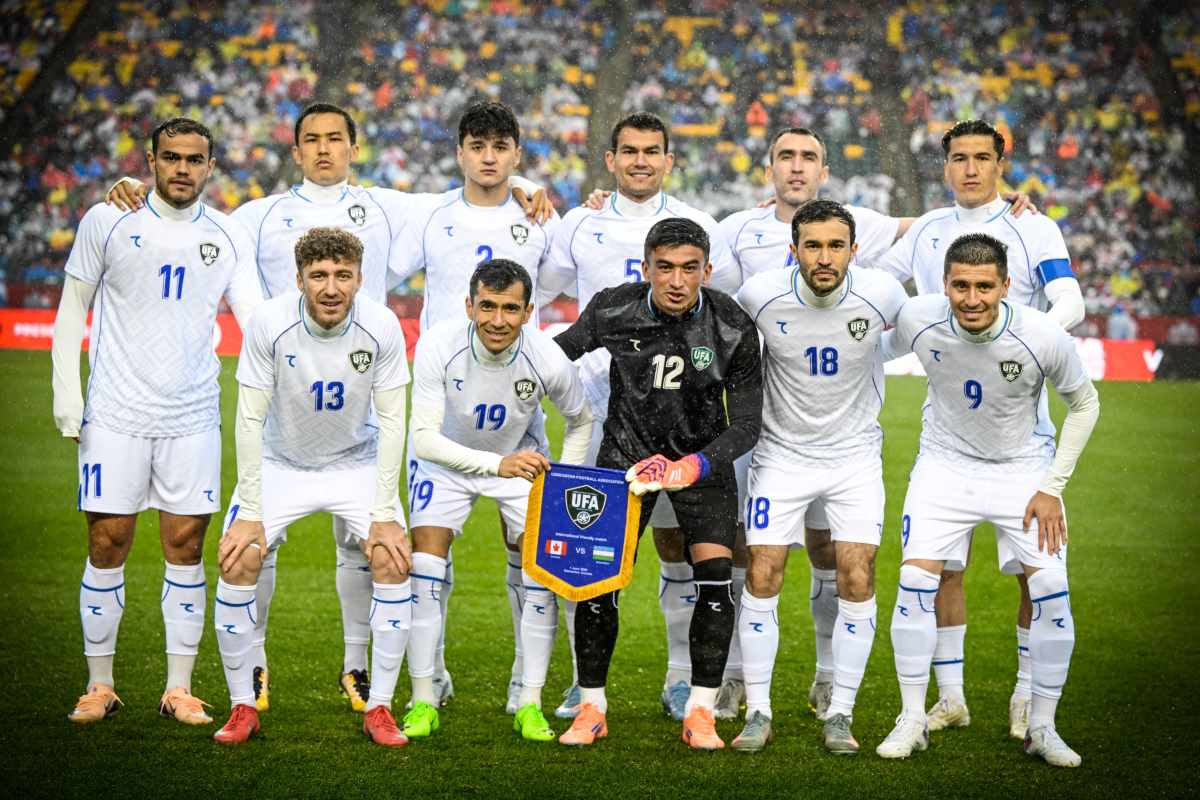
Expanding the scale of the tournament helps increase opportunities for new teams. The 2026 World Cup has the participation of 4 new teams: Jordan, Uzbekistan, Cabo Verde and Curacao. If competing in the qualifying round with a 32-team format, their chances will not be many.
Another benefit of the World Cup expanding to 48 teams is money. According to FIFA's press release in mid-April 2026, the World Trade Organization (WTO) estimates that this expanded tournament will generate a total value of more than 80 billion USD, including 30.5 billion USD for the co-host country, the United States.
The 2026 World Cup is estimated to generate revenue of up to 11 billion USD for FIFA. That money will be used by them to reinvest in football, distributed to football projects related to 211 member federations.
Matches with disparities
Although the 2026 Open tournament has brought more opportunities for teams, it may also lead to a new problem, which is the increase in matches with low competitiveness, potentially one-sided risks.
Just glancing at the group stage schedule can easily see that some matches are likely to be off-balanced. Iran, one of the strongest teams in Asia, will face New Zealand, the lowest-ranked team in the tournament, increasing the possibility of an uneven match, lacking attractive competitiveness for ordinary football fans. In the latest friendly match, the New Zealand team lost to Haiti - a mid-range team with a score of 0-4.
Some other matches are likely to take place with a one-sided game, such as Germany vs. Curacao or Spain vs. Cabo Verde. Overall, these potentially unbalanced matches may reduce the intensity and quality of group stage matches, which are traditional factors that create the attraction of the World Cup, and may turn them into predictable, uninteresting matches in the first half of the tournament.
In addition, the 2026 World Cup format may also create boredom for some teams to be able to win tickets to the next round. For example, a team may draw all three group stage matches but still be able to enter the knockout round.
Short recovery time after the World Cup for players
FIFA said that the total number of days of rest, leave and 56 days of competition remains the same as the 2010 World Cups, 2014 and 2018, but they have not considered the recovery period after the tournament.
Most top European leagues will start the 2026-2027 season just one month after the World Cup final, meaning players only have a short break to relax and recover from injuries.
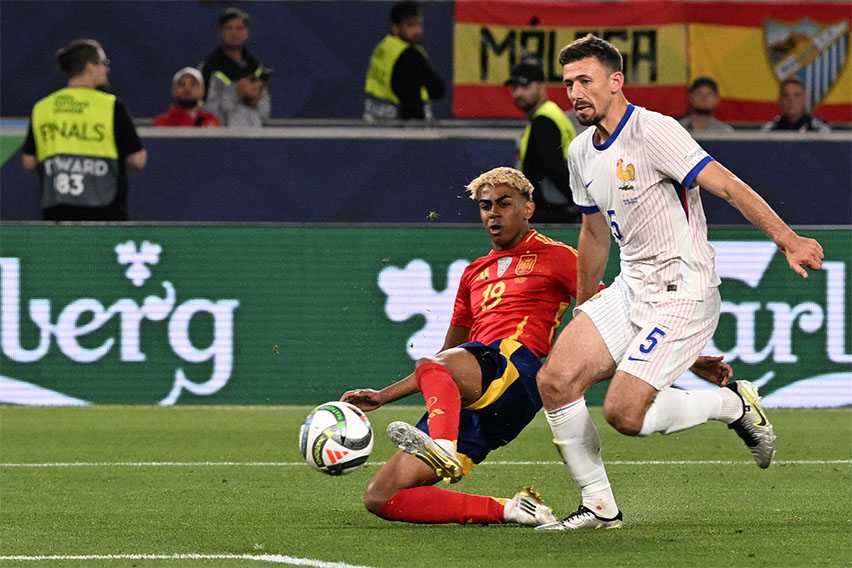
A report by the Football Benchmark group, using data from the FIFPRO Men's Player Workload Monitoring (PWM) platform, has further highlighted this issue.
The increase in the number of teams from 32 to 48 increases the total number of matches from 64 to 104, with teams reaching the final having to play a maximum of 8 matches in 38 days. Taking place immediately after the European club season and after consecutive summers of international and major club tournaments, this also brings additional logistical requirements, including long-distance travel, multiple time zones and different climate conditions between host cities," the analysis said.
In addition, the time between the World Cup final and the start of the next domestic season is very short, only 34 days between the final and the start of the English Premier League season, making rest and pre-season preparation time limited.
These will give players less rest time, thereby increasing the possibility of injury when returning to play for the club.


