
Recently, striker Van Quyet shared: "In the context of young players being elevated, I still see one thing that needs to be improved. That is the football field.
Football needs to be a stage to attract the attention of fans in the stands. This sport also needs to have beautiful grass so that players can fully develop their abilities on the field.
In fact, most stadiums in the V.League were built many years ago with a versatile design, the distance between the stands and the pitch is large, affecting the audience experience and commercial value.
The lighting system at some stadiums does not meet international television standards such as Vinh stadium, Thanh Hoa stadium. Meanwhile, the quality of the grass varies depending on the weather and usage frequency.
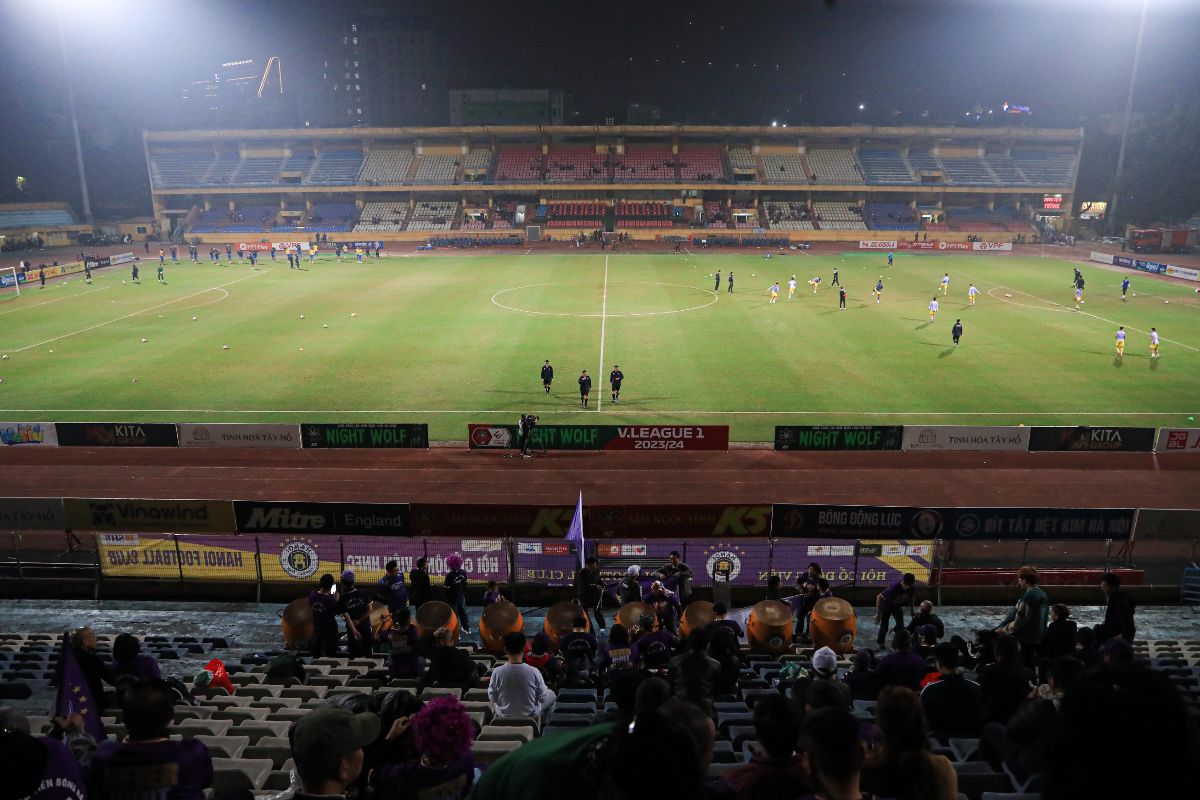
Many clubs do not have private stadiums and depend on facilities managed by localities, making long-term investment plans difficult.
Some stadiums do not meet the criteria for organizing Asian Football Confederation tournaments, forcing Vietnamese teams to rent neutral stadiums when competing in continental arenas.
In 2018, Thanh Hoa club had to rent My Dinh stadium to play in the AFC Champions League qualifiers; Hanoi FC also played the AFC Champions League in the 2023-2024 season at My Dinh stadium instead of Hang Day; or The Cong Viettel, Hoang Anh Gia Lai also played on neutral fields.
According to AFC club licensing regulations, the stadium must meet standards for grass, lighting, security and functional room systems, with minimum lighting requirements of 1,200 lux for television matches and international standard operating areas.
Looking out to the region and continent, Vietnam's stadium system is still at a disadvantage compared to major football nations.
J.League requires clubs to meet strict infrastructure criteria in the licensing process, while stadiums in Japan and Korea meet FIFA Quality standards for grass, high-class lighting systems and synchronous functional rooms.
In the Middle East, football infrastructure is considered part of the national strategy. Saudi Arabia is building and renovating many stadiums with hybrid lawn technology and modern cooling systems; Qatar maintains a smart stadium system after the 2022 World Cup; UAE continues to invest in AFC Elite standard stadiums to serve domestic and continental tournaments.
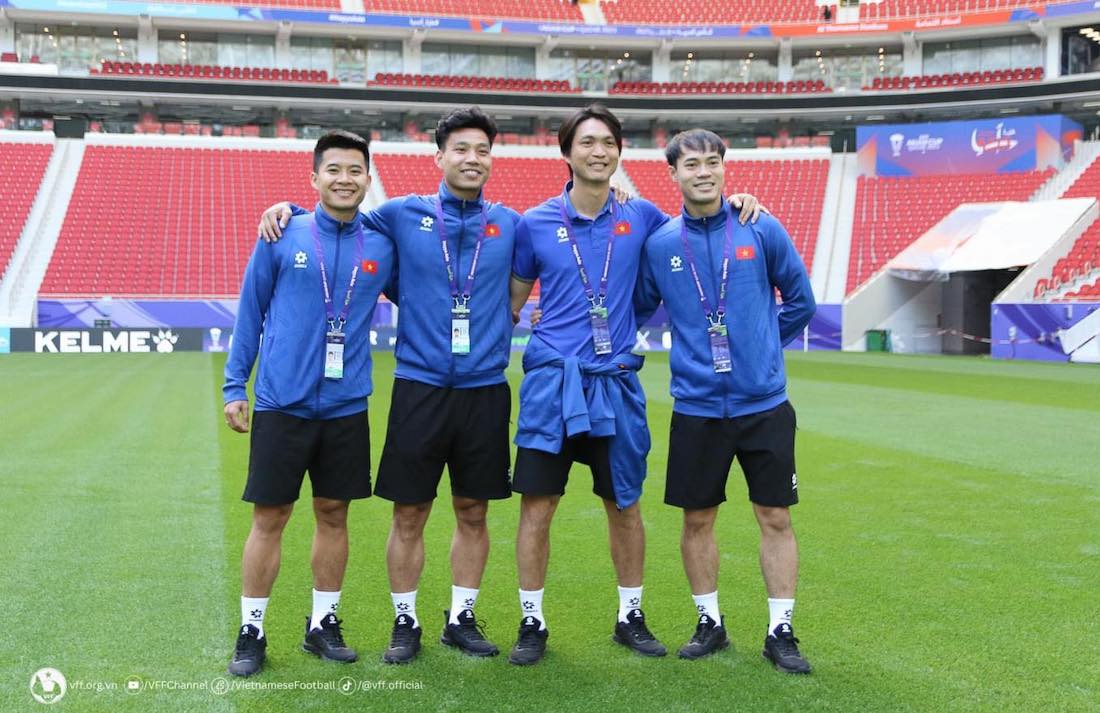
Players in J.League, K.League and Saudi Pro League train on a stable field, play under a high-quality lighting system and are supported by a data analysis, recovery and sports medicine system.
Meanwhile, many V.League players have to train on degraded fields due to weather conditions, with unsynchronized infrastructure affecting training intensity and match speed.
AFC and FIFA both emphasize that stadium infrastructure is a mandatory criterion in the club licensing system and international competition organization. Japan began stadium modernization from the World Cup 2002 preparation phase, South Korea maintained high standards in the K-League, and Middle Eastern countries implemented football investment strategies associated with urban development and sports tourism.
Compared to these countries, V.League still lacks a long-term infrastructure investment strategy and is heavily dependent on local budgets as well as short-term sponsors. This affects the quality of player training and adaptability when competing internationally, when many Vietnamese players face difficulties at continental tournaments due to differences in the competition environment.
AFC is continuing to raise club licensing standards in the new phase, creating pressure to improve infrastructure for national leagues. Some stadium renovation projects in Vietnam have been implemented but the scale is still limited, while the need to build football stadiums, upgrade lighting, pitches and competition support technology is becoming urgent to narrow the gap with Asian football.


