
Digital skills: from advantage to mandatory condition
According to Mr. Hoang Trong Minh - Director of TAMI Digital Technology Company (Ngoc Ha ward, Hanoi), previously, basic computer skills were considered a plus point, but now it is a minimum requirement. Businesses need employees who are capable of working on digital platforms, proficient in using tools for daily work such as management software, data systems, online work platforms...
In many industries, especially businesses specializing in digital technology, this requirement is even higher: data analysis, automation system operation, digital marketing, multi-platform content design...
In many FDI enterprises, even unskilled workers in factories have to get used to smart production lines and software-controlled machines. Workers who are slow to adapt to technology are very easily eliminated," Mr. Minh said.
Ms. Nguyen Chi Lan - CEO of Hoang Thanh Group (Cua Nam ward, Hanoi) said that besides digital skills, businesses increasingly value specific skills according to each industry.
Right from the interview, we do not highly appreciate workers who say "know" but must affirm "can". The manufacturing industry needs workers to understand processes, comply with discipline and operate machines; the service industry needs communication skills, handling situations; the creative industry requires content thinking, ability to adapt to trends... All these requirements are proficient, not just grasped superficially," Ms. Lan emphasized.
Labor discipline and soft skills
According to Ms. Nguyen Thi Lan Huong - former Director of the Institute of Labor Science and Social Affairs, digital transformation does not reduce the role of labor discipline, but on the contrary, requires higher standards. Working in a digital environment requires compliance with procedures, information security, and effective coordination between departments, even when working remotely. Soft skills such as communication, teamwork, time management, and work pressure are also particularly valued by businesses. In a highly competitive environment, employees not only do their part well but also have to coordinate smoothly with the common system.
In addition, a noteworthy point is that businesses are increasingly interested in the working attitude and level of commitment of employees. The situation of "job hopping", early resignation, especially after peak periods such as after Tet, makes businesses more cautious in recruitment.
Mr. Nguyen Duc Binh - Head of assembly department, Nam Khanh Auxiliary Equipment Co., Ltd. (Ha Dong ward, Hanoi) shared that he started working at the company in 2012 as a mechanic.
After 14 years of working, Mr. Binh, although not the person with the highest starting point (level, experience, qualifications), is now the superior of many colleagues of the same era.
Many people go to work with a temporary mentality, just do it here and see where there is a better opportunity to "job-hop". Some people work hard but do not take advantage of studying more, fostering professional skills, soft skills. I am fortunate to be mentored and guided by seniors, so I always try my best. From a mechanical worker with a salary of 6 million VND/month, now I work as a manager with a salary of nearly 30 million VND/month. This achievement is a long process of striving for myself and recognition from the business," Mr. Binh proudly said.
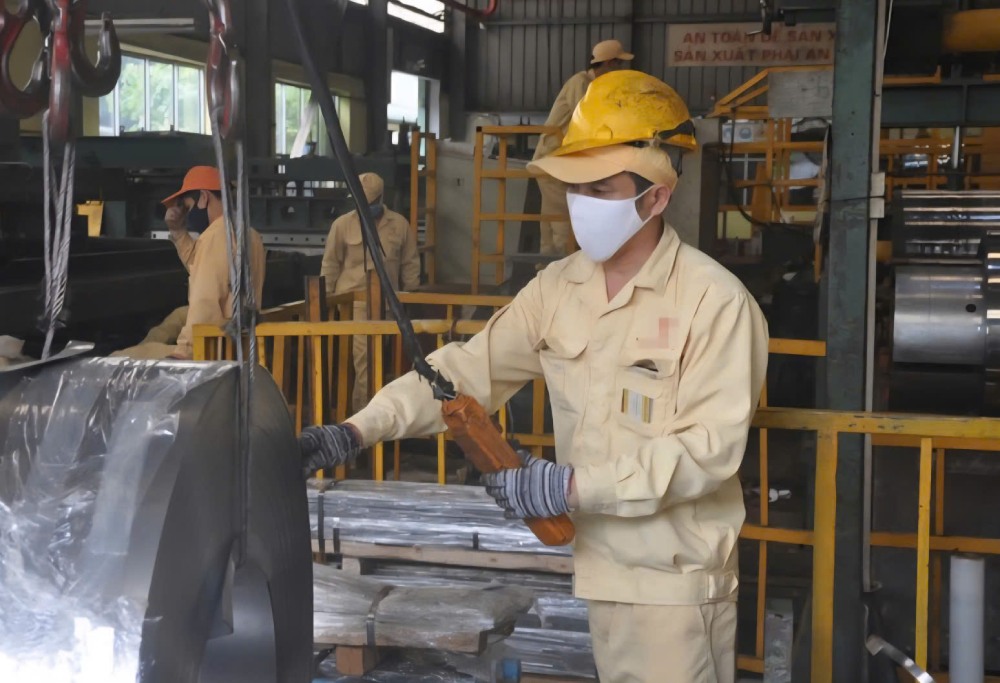
According to Ms. Lan Huong, the digital age sets more strict requirements for workers, but at the same time also opens up great opportunities for those who are willing to change. Workers with digital skills, adaptive thinking and positive attitudes will have more job choices, better income levels and sustainable development potential.
For businesses, the human resource problem in the digital age is not only recruiting talented people, but also creating an environment for workers to develop their abilities, learn and stick together. When both sides adjust to "meet each other", the labor market can operate effectively in the context of increasingly strong digital transformation.


