
Workers are the subject of sustainable development
One of the important highlights of the draft documents of the 14th Congress is a new approach to social governance: development must go hand in hand with progress and social justice; institutions must aim at human welfare; "leaving no one behind". This is a big step forward in thinking when considering the human factor, especially the labor force, as the foundation of all development strategies.
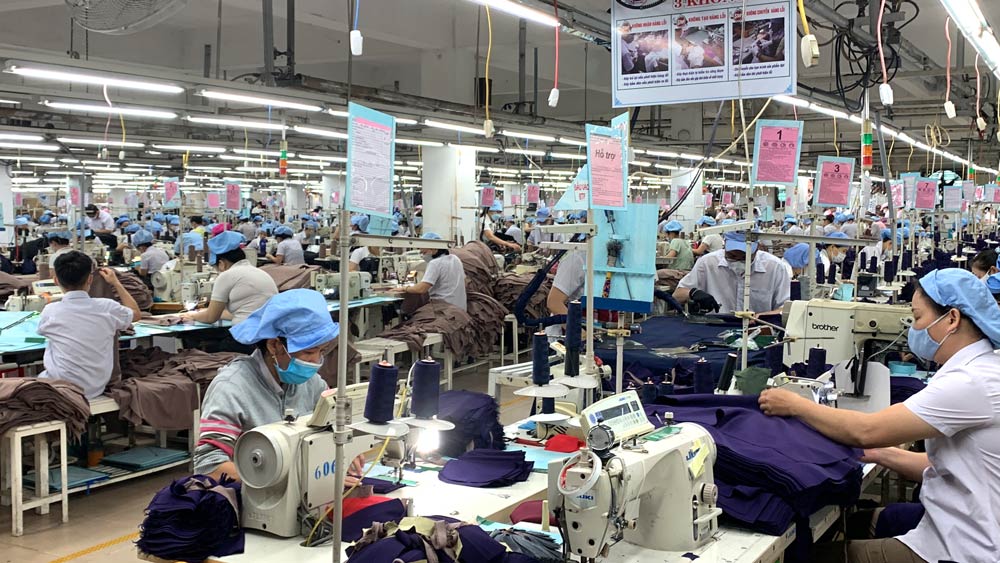
According to Ms. Phan Thi Thuy Linh, President of the Da Nang City Labor Federation, looking at the reality of Da Nang, this view is deeply grounded. The city currently has more than 214,000 union members, of which more than 87,000 workers work in industrial parks.
This is a young, dynamic force, rapidly absorbing science and technology, an important subject of industrialization and modernization. They are also directly affected by changes in the labor market, from the requirement of digital transformation to green transformation.
However, workers' income only meets about 80% of the minimum living standard, causing most to work overtime to cover living expenses. This shows that workers are not only the productive force of material wealth, but also the most vulnerable group in the changes of the modern economy. Therefore, to effectively manage society, it is necessary to first of all manage the lives of this labor force well.
The role of the working class in modern social governance lies not only in production capacity, but in the fact that they must participate more in dialogue, supervision and policy criticism processes. A sustainable society cannot be without the presence of workers in planning and implementing policies that directly affect them.
Trade unions, key institutions in social governance
Article 10 of the 2025 Constitution identifies the Trade Union not only as an organization caring for the rights of workers, but as a subject participating in social management. This is consistent with the modern governance model, where social institutions play a role in parallel with the State and businesses.
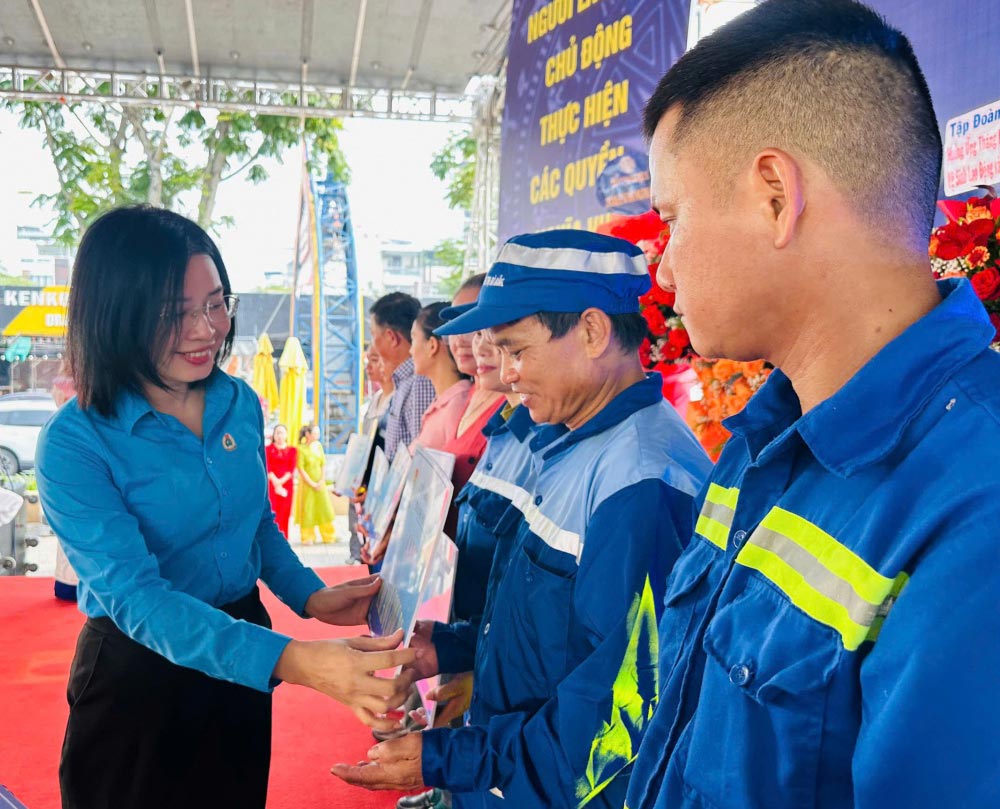
In Da Nang, the "Union Institution" model has clearly demonstrated this role. In the past period, more than 82,500 workers, civil servants and laborers were taken care of with a total cost of 344 billion VND. 370 "Union Shelters" were built. The revolving capital support fund reached more than 64 billion VND, helping thousands of workers overcome difficulties and stabilize their lives. Programs such as Tet Sum vay, Workers' Market, Workers' Supermarket, Union Meal... have become a real support for workers.
It is worth mentioning that these programs are not just a form of welfare support, but are becoming a component of social governance - where the Trade Union plays a role in creating and mobilizing social resources, connecting businesses and the State to care for workers.
In the context of industrialization associated with digital transformation, the Trade Union also plays the role of retraining and vocational training for workers - a key condition to avoid the "unemployment trap of 35". The trade union is also a force promoting tripartite social dialogue, creating a foundation for harmonious, stable and progressive labor relations.
According to the leader of the Da Nang City Labor Federation, in order for the new thinking in the draft of Document XIV to become practical, it is necessary to more clearly emphasize the role of the working class and the Trade Union organization.
In particular, some important orientations need to be institutionalized, including: Supplementing specific indicators on minimum income, housing, kindergartens, working conditions, and labor safety. Seeing a tripartite social dialogue is a mandatory mechanism, operated periodically. Build a flexible and modern labor market, associated with retraining and vocational training. Making occupational safety and health a mandatory criterion in the sustainable development of enterprises.
New thinking in the 14th Congress Document opens up a modern and humane approach: social development must be associated with improving the quality of life of workers. Clarifying the role of the working class and trade unions is not only a theoretical requirement, but a condition for building a fair, stable and sustainable society.


