
When " punctuality" is no longer the standard
Mr. Nguyen Duc Toan - Head of Human Resources Department of Thanh Nhan Trading and Production Co., Ltd. (Phu Dien ward, Hanoi) said that his company has about 130 direct production personnel, of which Gen Z workers account for about 40%. The problem that makes Mr. Toan "headache" the most is managing the "not young, not old" personnel group - as he said.
The most common is the situation of young workers going to work late, taking leave suddenly, asking for leave without prior notice or changing jobs after a short time. Many Gen Z workers quit their jobs just because they "do not suit the environment", "are under too much pressure" or "want to try another job", even though they have only been working for a few months," Mr. Toan said.
Sharing the same view, Ms. Bui Thuy Quynh - Head of Human Resources Department of Tam Sao Mai Co., Ltd. (Hoang Mai ward, Hanoi) said that with many Gen Z, the concept of labor discipline is no longer closely linked to time, rigid procedures like previous generations. They value flexibility, balance of life - work, and desire to be respected personally. However, in the business environment, especially factories and production lines, this instability easily causes disruption, directly affecting progress and productivity.
In the fields of creativity, technology, and e-commerce, many Gen Z workers show a high sense of responsibility, working flexibly but effectively. In companies and production lines, problems arise when the old management model is heavily administrative and will not adapt to the new labor force," Ms. Quynh shared.
Also according to Ms. Quynh, the problem of labor discipline in the context of Gen Z entering the market requires adjustments from both sides. Businesses cannot only impose rigid regulations, but need to shift from time-based management to result-based management. The application of technology, process digitization, and performance evaluation according to goals will both ensure discipline and create a flexible space for young workers. In addition, training in industrial style and corporate culture right from the input is a key factor. Many Gen Z workers enter the job market without being fully equipped with labor discipline and professional responsibility, leading to "shocks" when exposed to the actual working environment.
Expected gap between businesses and young workers
According to Mr. Tran Anh Tuan - Human Resources Director of An Phat Group (Dong Da ward, Hanoi), reality shows that the conflict over labor discipline is not entirely in Gen Z, but stems from differences in expectations.
Businesses need workers to comply with regulations, work according to procedures, and ensure continuity. Meanwhile, many young workers enter the market with the mindset of "going to work to experience", willing to leave if they feel unsuitable," Mr. Tuan assessed.
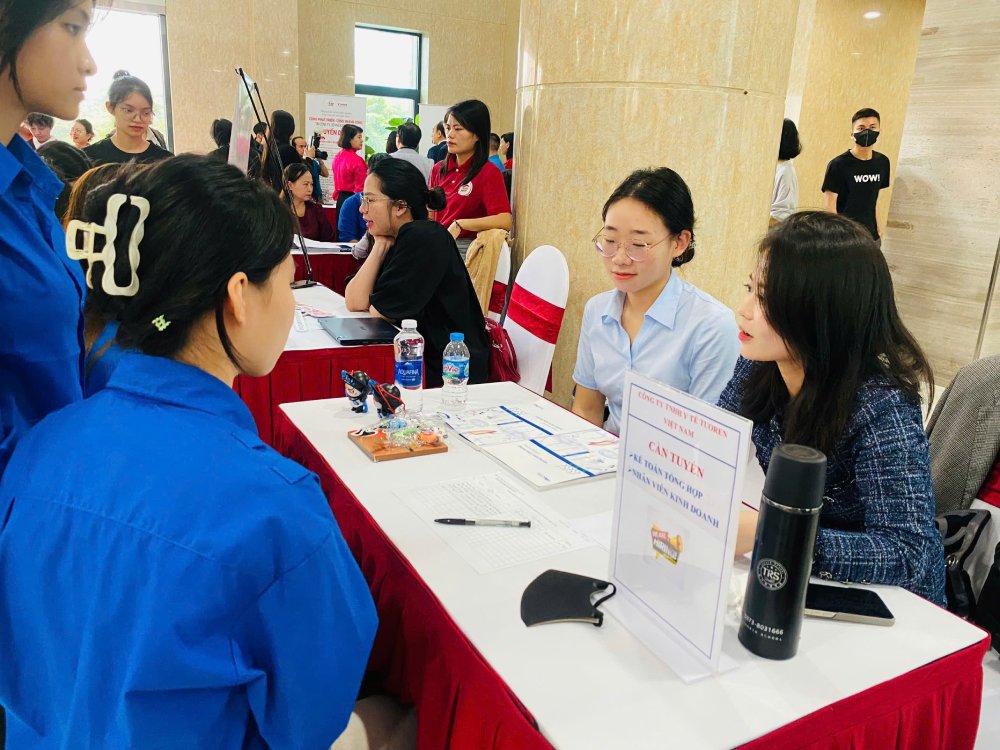
According to Mr. Tuan, a part of Gen Z is also affected by the open labor market - where job transfers become easier than ever. With just a few taps on the phone, they can find many other job offers, which reduces "employment costs" in the minds of young workers, making labor discipline looser.
Mr. Le Quang Trung - former Deputy Director in charge of the Department of Employment said that the problem of discipline cannot be separated from the income and working conditions factors. "Many Gen Z workers receive a common salary of 5–8 million VND/month, along with high work intensity, many overtime shifts... these are difficult factors to create motivation for them to stick around for a long time. When income is not enough to ensure life, strict discipline compliance is easily considered "not worth it". On the contrary, businesses that build a transparent working environment, fair management, and have a clear promotion roadmap often retain young workers better. Here, discipline is not just an administrative order, but is understood as a two-way commitment between workers and businesses," Mr. Trung said.


