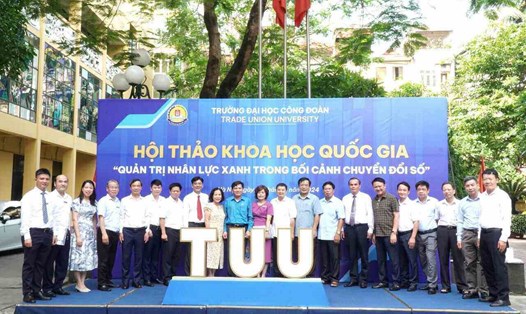
Manpower demand for green economy increases sharply
In recent years, the transition to a green economy has been strongly promoted in many countries, including Vietnam. In industries such as wind power, solar power, waste treatment, recycling or high-tech agriculture, many businesses are actively recruiting engineers, environmental experts, technicians operating renewable energy systems, emission management experts or sustainable development consultants.
Along with the green transition process, the labor market is seeing more and more new jobs associated with environmental factors, and the demand for "green human resources" is increasing rapidly. However, many businesses said that finding suitable personnel for positions related to the green economy is still facing many difficulties. Some businesses in the renewable energy sector said that they have to spend a lot of time recruiting engineers with appropriate expertise or have to retrain them after recruitment.
Mr. Bui Duc Toan - Director of a high-tech agricultural production company in Thanh Hoa - said that from the perspective of his own business, the recruitment of personnel to serve the green economy is difficult, mainly due to the limited human resources trained in this field.
Many green jobs require interdisciplinary knowledge, combining engineering, environment, management and technology. Many workers have technical expertise but lack knowledge about the environment or sustainable development standards. Meanwhile, training in universities and vocational education institutions has not kept up with the development speed of the market. Training programs on renewable energy, circular economy or emission management are not yet popular, making the supply of human resources for these fields not enough to meet demand," Mr. Toan said.
Ms. Bui Huynh Ngoc Mai - Director of Thanh Duc Phat Environmental Technology Co., Ltd. (Cau Giay ward, Hanoi) - said that her company continuously updates waste treatment technology from advanced countries around the world. Besides machinery, human resources to meet new requirements are very important. However, personnel recruitment in the past 2 years has become a "difficult problem" for businesses.
Some candidates quickly grasp technology and machinery, but they do not have environmental expertise, so they cannot build a comprehensive plan as we require. Many specific knowledge of the field when we put them out have "made it difficult" for candidates. While the requirement for green growth is urgent, human resources have become a barrier that we are forced to overcome and build proactive plans: order training or recruiting personnel to meet basic requirements and then further training," Ms. Mai said.
Need to promote training and forecasting human resource needs
According to Mr. Nguyen Khanh Long - Deputy Director of the Department of Employment (Ministry of Home Affairs), green transformation can create 25 million new jobs globally by 2030, while minimizing the risk of job loss due to the impact of temperature stress, natural disasters, and supply chain rearrangement.
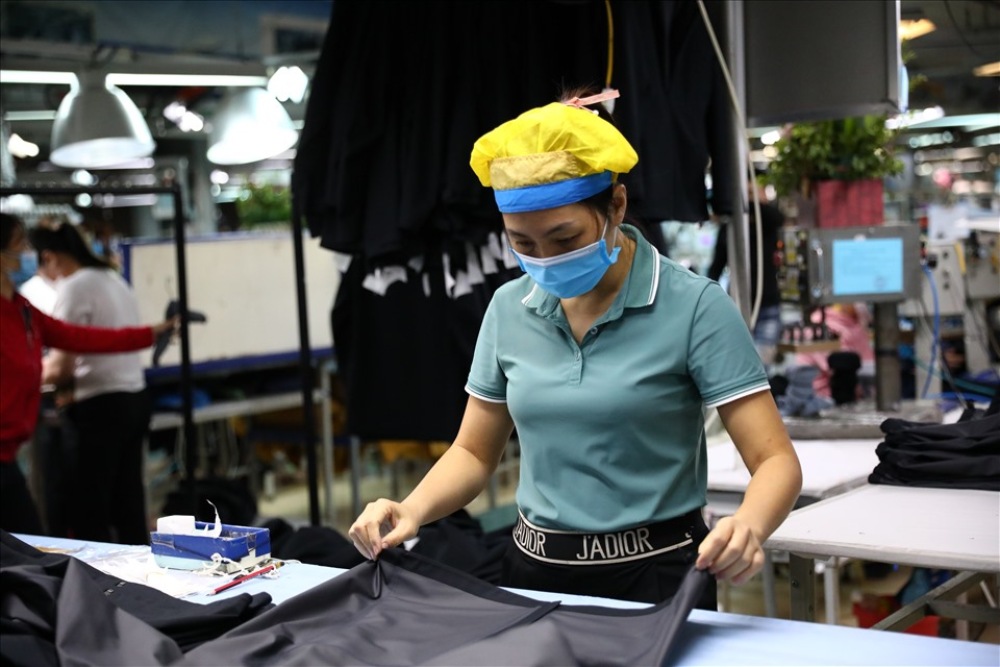
Mr. Long cited recent reports from ADB and ILO showing that Vietnam is facing a serious shortage of trained green skills workers, especially in the group of small and medium-sized enterprises. This requires us to invest in retraining, in-depth training according to green transformation needs and inclusive employment policies. Currently, only about 35% of Vietnamese workers self-assess that they have sufficient digital skills to meet future jobs. This is a large gap that needs to be filled through education, vocational training and lifelong skills development policies.
Ms. Nguyen Thi Lan Huong - former Director of the Institute of Labor Science and Social Affairs, said that to develop a sustainable green labor market, it is necessary to have a human resource training strategy suitable to the new trend. Universities and vocational education institutions need to update training programs, strengthen majors related to renewable energy, environmental technology, circular economy and sustainable development management.
The connection between training institutions and businesses also needs to be strengthened so that training programs are linked to the actual needs of the labor market. Businesses can participate in the process of developing training programs, supporting internships and on-site training for learners.