From July 1, 2025, the list of commune-level areas announced by the Government in Decree No. 128/2024/ND-CP will be officially applied to calculate the regional minimum wage.
Along with the expectation of annual adjustments to the regional minimum wage, many workers are believing that the upcoming change will help improve their income and life.
Ms. Nguyen Thi Cuc - a worker at a garment company in Nam Dinh province - said that after 9 years of working, her current basic salary is 4.78 million VND/month (after deducting social insurance).
"Each year's salary only increases by about 220,000 VND, not keeping up with market prices. All expenses have increased, only the salary has increased a drop" - Ms. Cuc shared.
According to her, the announcement of the list of new commune-level areas is an important basis for adjusting the minimum wage to be closer to the reality of each area. "I hope that from July 1, the minimum wage will increase by about 6-8%, so that workers like me will have less struggles with living expenses" - Ms. Cuc said.
Similar to the situation, Ms. Nguyen Thi Nga - a worker at Thang Long Industrial Park, Dong Anh district, Hanoi - said that she is receiving a basic salary of 5.43 million VND/month, higher than the regional minimum wage 1 (4.96 million VND/month). However, after deducting living expenses and supporting the family, life is still very tight.
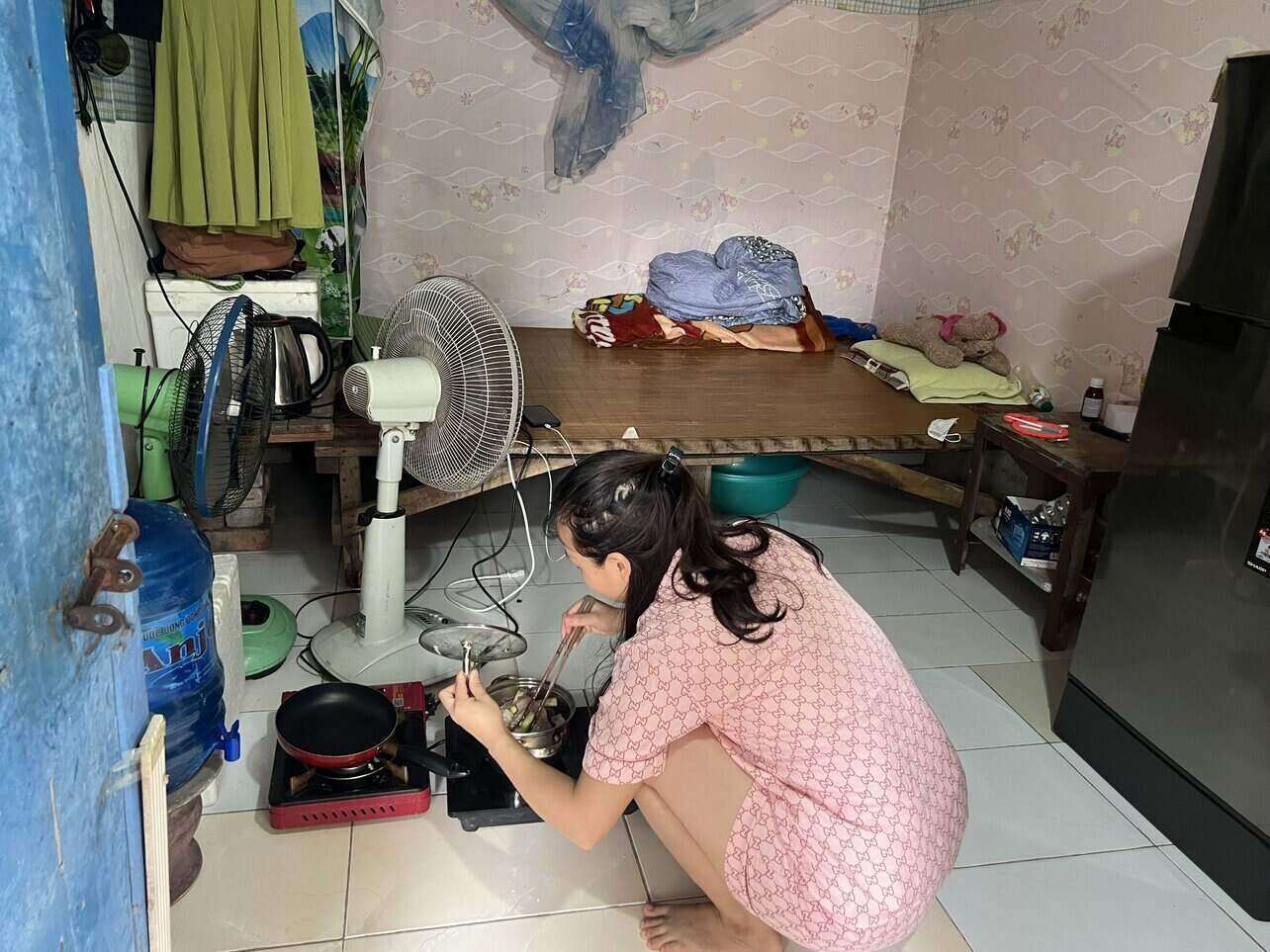
"My family rents a room for 1.8 million a month, not including electricity and water. My husband is a paint painter with an unstable income. Children study, then have to send money back to their parents' hometown... The salary of a worker like me, even if I have overtime, is just enough to cover my expenses" - Ms. Nga confided.
She hopes that when applying the new list of commune-level areas, adjusting the regional minimum wage will help increase the income of workers, leading to an increase in allowances and social insurance contributions.
"We hope the State will consider increasing the regional minimum wage from July 1 to somewhat improve our lives," Ms. Nga expressed.
According to Decree 128, the Government clearly announces the list of commune-level areas to apply the regional minimum wage, instead of dividing it into districts, towns and cities as before.
This is an important improvement in determining the minimum wage zone, ensuring better consistency between salary levels and specific socio-economic conditions in each locality.
Ms. Nga believes that dividing by commune level will contribute to more reasonable regulation of the minimum wage between enterprises in the same locality.
"Enterprises in the same district but in different communes, with clearly different conditions. When applied by commune, it will narrow the gap in labor costs between businesses, creating a more fair competitive environment" - Ms. Nga commented.