Chất liệu gốm sứ được sử dụng cho điện thoại và đồ điện tử khác xa so với những loại gốm thông thường, do đã được kỹ thuật hóa để phù hợp hơn với các mục đích khác nhau. Đây là loại vật liệu cao cấp được sử dụng rất nhiều trong các ngành công nghiệp sản xuất, chế tạo hay xây dựng.
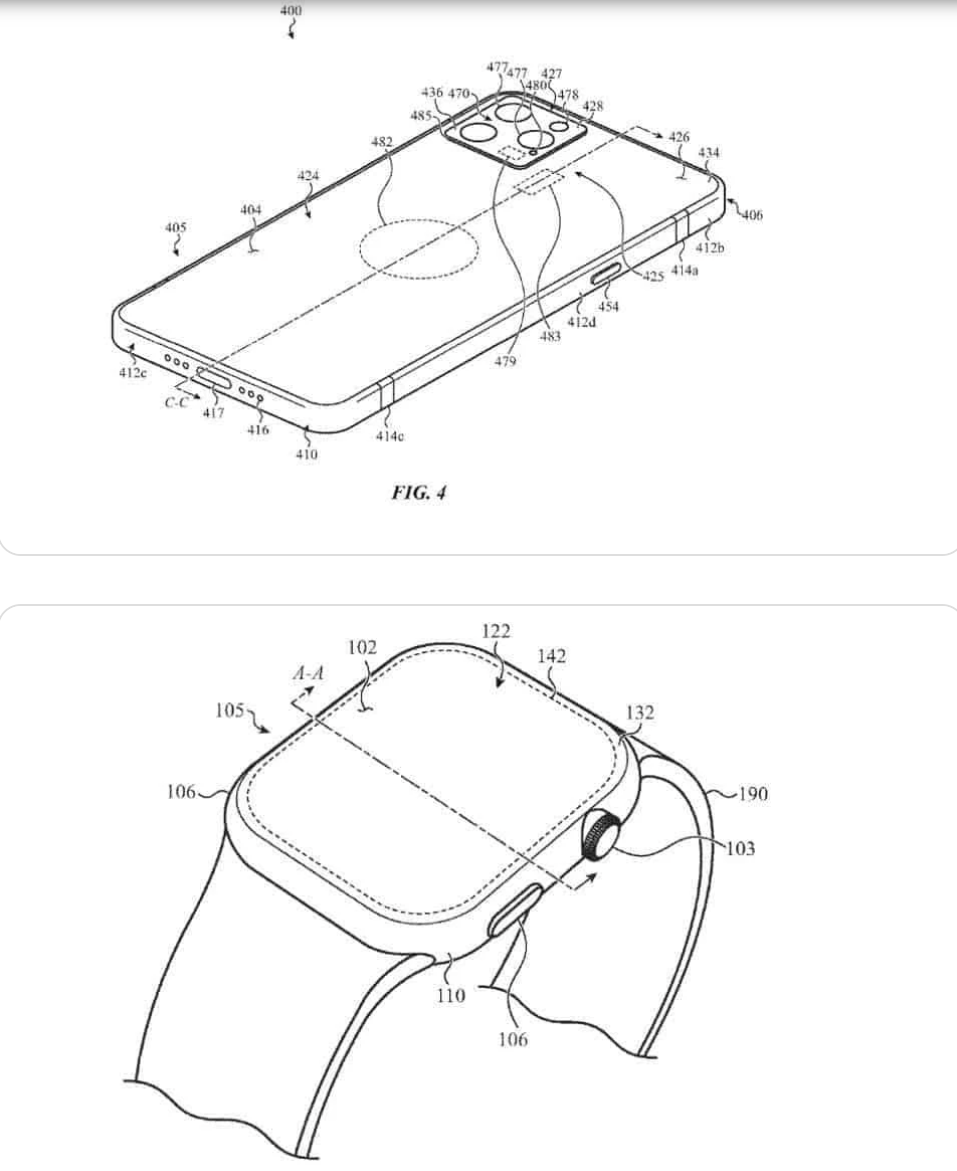
Theo The Forbes, Apple có thể đang phát triển công nghệ sử dụng gốm sứ như một vật liệu chính để sản xuất iPhone và Apple Watch trong tương lai.
Đặc biệt, với bằng sáng chế mang tên "Thiết bị điện tử với các kết cấu các thành phần dựa trên Zirconia", mặt sau của iPhone sẽ là một lớp phủ lì, với phần trung tâm dành riêng cho logo Apple. Lớp phủ lì sẽ được sử dụng cho các mẫu Pro/Pro Max và phù hợp với định hướng tách biệt dòng iPhone thường và dòng Pro của Apple.
Zirconia là gì?
Tại sao Apple lại muốn sử dụng gốm sứ, cụ thể là vật liệu zirconia, thay vì gắn bó với thủy tinh và kim loại, những vật liệu tiêu chuẩn vốn được sử dụng trong ngành công nghiệp điện thoại bấy lâu nay?
Ngành công nghiệp điện thoại vẫn luôn cố gắng hoàn thiện mình bằng những vật liệu càng ngày càng bền và nhẹ hơn. Chúng được mong muốn là có thể “sống sót" sau một cú rơi, đồng thời vẫn giữ được hình dáng ban đầu bằng cách ngăn ngừa trầy xước.
Với những yêu cầu đó, zirconia chính xác là vật liệu mà các nhà sản xuất đang tìm kiếm. Zirconia, hay zirconium dioxide, được coi là loại gốm nguyên khối bền nhất, có độ cứng, độ bền cao, độ dẻo dai và khả năng chống ăn mòn hóa học. Zirconia cũng được sử dụng như một chất thay thế kim cương trong đồ trang sức.
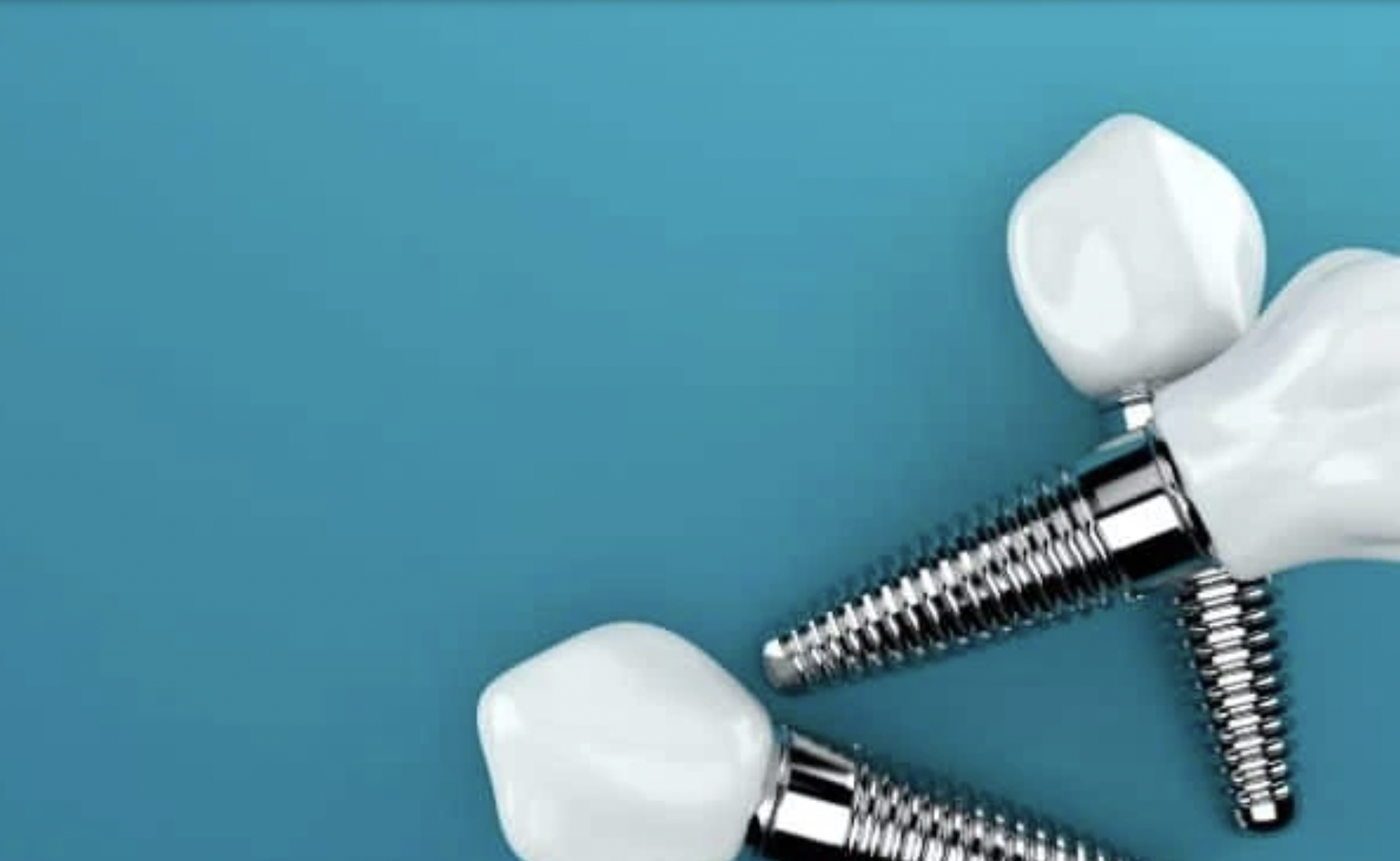
Đây là một trong những vật liệu yêu thích của ngành nha sĩ khi phải làm răng nhân tạo, bởi rất nhiều ưu điểm vật lý so với các vật liệu khác. Zirconia cũng được khử nhôm oxit, phù hợp khi làm vật liệu cho khớp háng nhân tạo và các thiết bị cấy ghép khác trong y học.
Tuy nhiên, dù chất lượng vượt trội hơn nhiều so với hầu hết các hợp kim và thủy tinh thường được dùng để làm vỏ của điện thoại thông minh, quy trình tạo ra zirconia khá đắt đỏ, đây cũng có thể là một chất xúc tác khác cho việc Apple tăng giá iPhone trong tương lai.
Có khả năng Apple sẽ không sử dụng zirconia nguyên chất mà thay vào đó, công ty thêm nó vào hợp kim nhôm hoặc thép nhằm cải thiện đáng kể các đặc tính cơ học và "sức đề kháng" tổng thể của chúng.
Và đó chính xác là những gì Apple gợi ý trong mô tả bằng sáng chế của mình.
Gốm sứ là tương lai của ngành công nghiệp điện thoại?
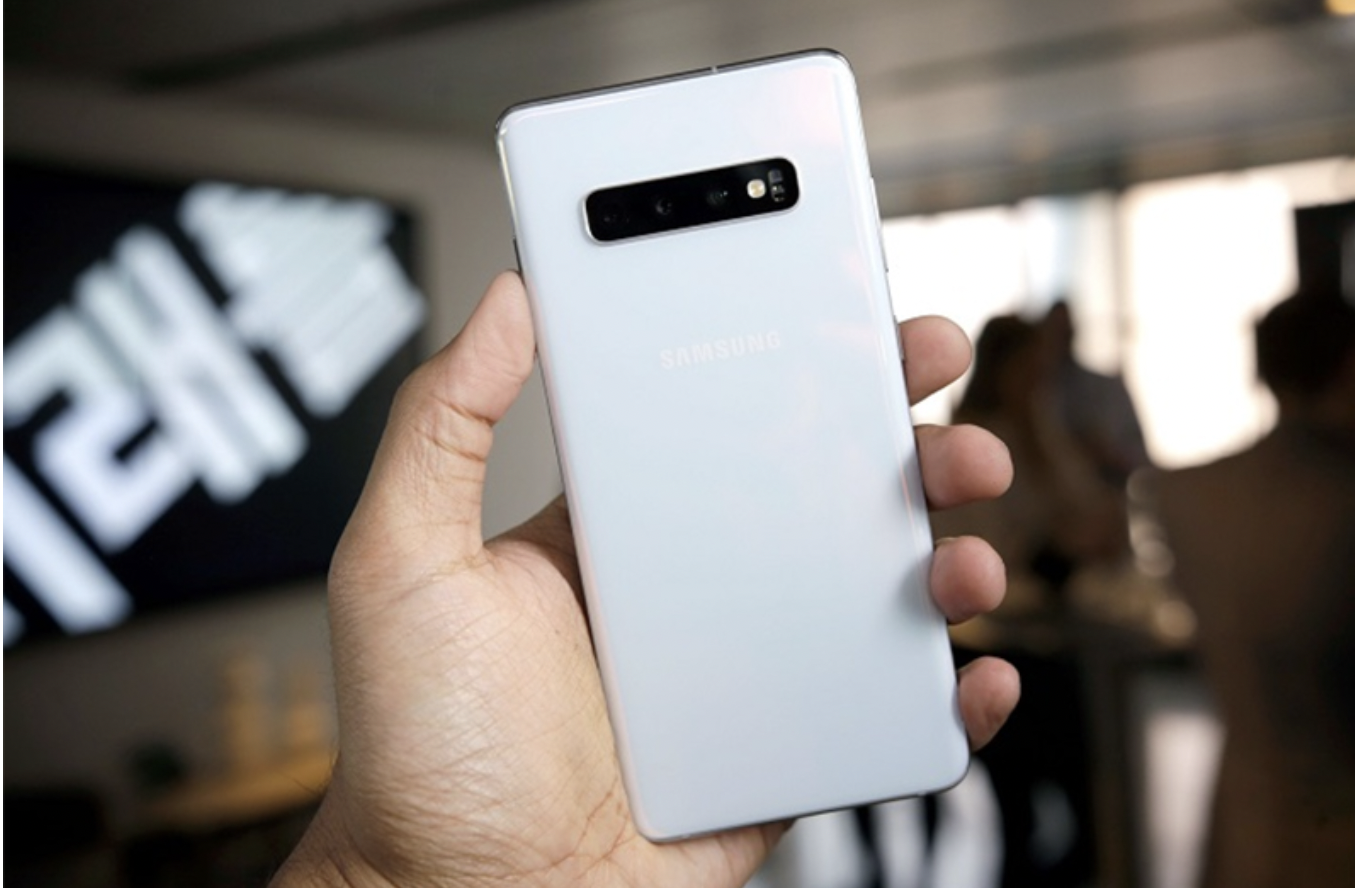
Gốm sứ và điện thoại chắc chắn đã từng "hợp tác" trước đây. Cụ thể, Xiaomi và Samsung đã từng sản xuất các thiết bị di động có thân bằng gốm, lần lượt là Xiaomi Mi Mix 4 và Galaxy S10 + Performance Edition.
Trên thị trường đồng hồ thông minh, nơi các nhà sản xuất đồng hồ thường xuyên thử nghiệm những loại vật liệu có chất lượng cao, vật liệu này cũng đã được áp dụng trên quy mô lớn khi Apple Watch được sản xuất.
Ngoài ra, dường như Apple muốn "tách biệt" iPhone thông thường với các mẫu Pro trong tương lai bằng việc sử dụng nguyên liệu gốm sứ.
Chắc chắn, các nhà sản xuất khác sẽ làm theo và cân nhắc sử dụng vật liệu này một cách nổi bật hơn trong các dòng sản phẩm của họ.
Theo Phonearena, cả dòng iPhone 12 và iPhone 13 đều có màn hình Ceramic Shield, mang đến khả năng chống va đập tốt hơn gấp 4 lần so với các dòng iPhone trước.