
Theo phân tích từ công ty giám sát thị trường Cru Group, giá cáp quang đã tăng 70% trong vòng 18 tháng qua khi nhu cầu về các dịch vụ dựa trên internet tăng lên và các quốc gia đang thúc đẩy việc triển khai mạng 5G.
“Do chi phí triển khai đã đột ngột tăng gấp đôi nên hiện có nhiều câu hỏi xung quanh việc liệu các quốc gia có thể đạt được các mục tiêu đặt ra cho việc xây dựng cơ sở hạ tầng hay không và liệu điều này có thể tác động đến kết nối toàn cầu hay không”, Cru Group giải thích.
Mặc dù cáp quang không phải là công nghệ thu hút được nhiều sự quan tâm nhưng đây là một thành phần cơ bản của tất cả các dự án cơ sở hạ tầng lớn, từ băng thông rộng tốc độ cao đến 5G và cáp ngầm làm nền tảng cho dịch vụ của các công ty công nghệ lớn nhất thế giới.
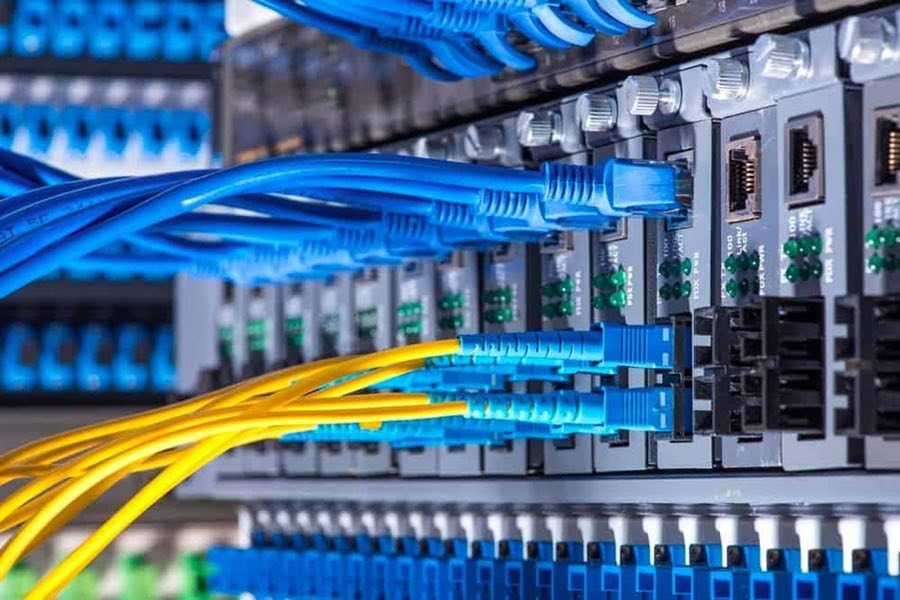
Vấn đề thiếu hụt cáp quang hiện tại cũng sẽ tác động đến sự phát triển của các cơ sở trung tâm dữ liệu mới và cản trở kế hoạch mở rộng giữa các công ty VPN, lưu trữ đám mây, lưu trữ web.
Sự thiếu hụt cáp quang có thể bắt nguồn từ một số yếu tố khác nhau như do nhu cầu tăng mạnh (tiêu thụ tăng 8,1% so với cùng kỳ năm ngoái) dẫn đến sự thiếu hụt các thành phần quan trọng trong quá trình sản xuất, chẳng hạn như khí helium và silicon tetrachloride.
Giám đốc điều hành của Corning, nhà sản xuất cáp quang lớn nhất thế giới nhận định rằng ông chưa bao giờ thấy một cuộc khủng hoảng cáp quang nào như hiện tại và nhấn mạnh rằng công ty của ông đang nỗ lực hết sức để cải thiện tình hình.
Ngoài những biến động về giá cả, sự thiếu hụt cáp quang cũng khiến thời gian giao hàng bị kéo dài. Đối với các công ty lớn có mối quan hệ thân thiết với các nhà sản xuất có thể lấy được sản phẩm nhanh hơn nhưng các công ty nhỏ được cho là phải đợi đến một năm mới có thể hoàn thành đơn đặt hàng.
Tuy nhiên theo dự đoán của các chuyên gia tình trạng thiếu hụt hiện tại chỉ là tạm thời mang tính khủng hoảng hơn là một vấn đề dài hạn.


