Internet vạn vật (IoT) là mạng kết nối các đồ vật và thiết bị thông qua cảm biến, phần mềm, cho phép các đồ vật và thiết bị thu thập và trao đổi dữ liệu với nhau.
Theo số liệu thống kê năm 2020, đã có khoảng 30,73 tỉ thiết bị IoT được sản xuất trong năm. Dự đoán năm 2025, con số này sẽ tăng lên đến 75,44 tỉ.
Internet vạn vật đem lại rất nhiều ứng dụng tối ưu trong công nghiệp, đồng thời thúc đẩy ngày càng nhiều công ty tham gia vào mô hình mới này để cải thiện năng suất công việc cũng như tối ưu hóa chi phí và lợi nhuận thu về.
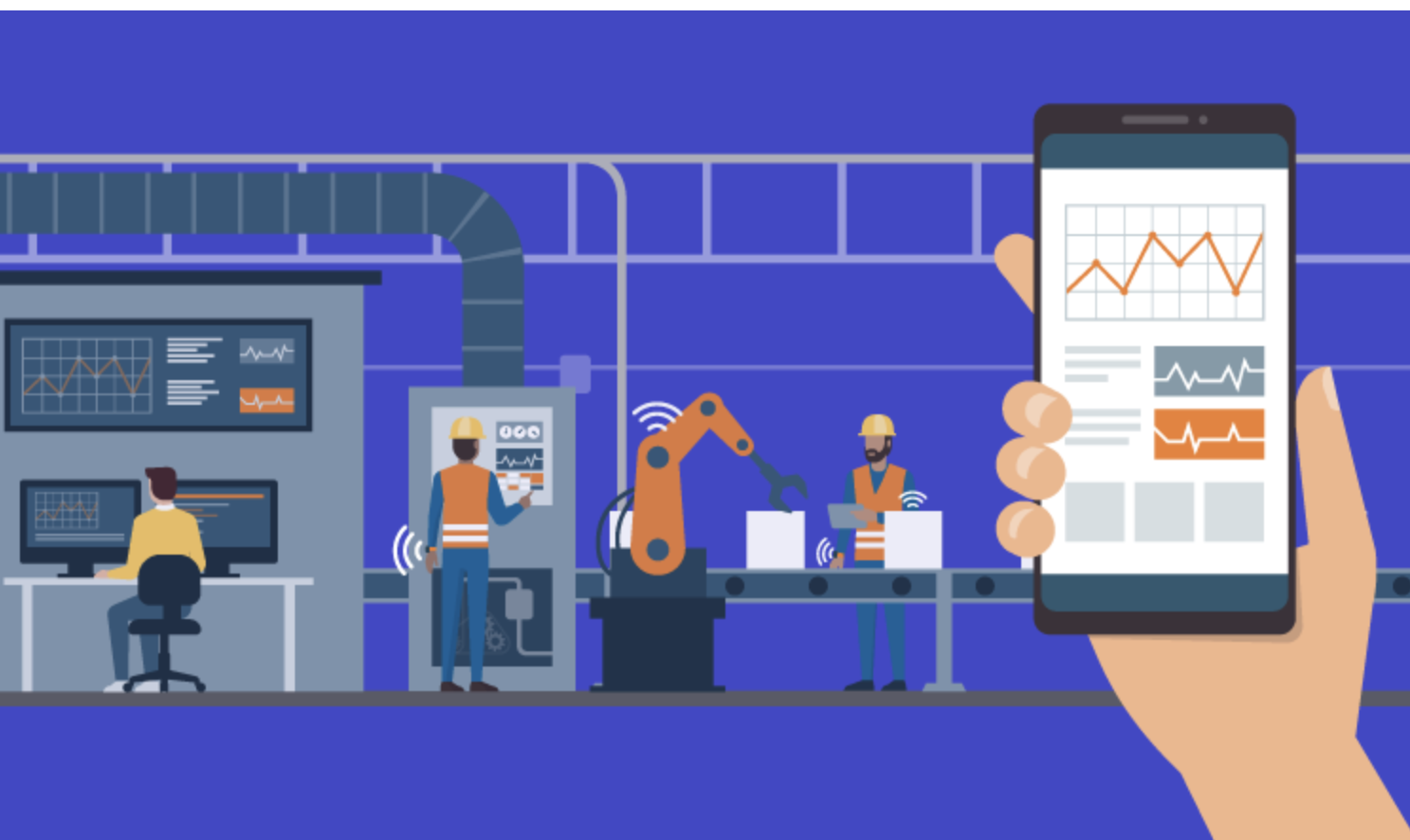
Một trong những ứng dụng IoT chính liên quan đến việc quản lý tự động thiết bị, cho phép một hệ thống tập trung kiểm soát và giám sát tất cả các quy trình của công ty. Nhờ vào IoT, dữ liệu này được truyền đến hệ thống tự động hoá công nghiệp để đảm bảo kiểm soát tổng thể máy móc trong quá trình sản xuất.
Các ngành công nghiệp viễn thông, dầu khí cũng như sản xuất điện đã ứng dụng rất nhiều từ việc tích hợp các thiết bị IoT vào các hệ thống điều khiển từ xa.
Tập đoàn Volkswagen sử dụng IoT để tăng mức độ hiệu quả và thời gian làm việc của nhà máy, cải thiện tính linh hoạt của hoạt động sản xuất và tăng chất lượng của ô tô.
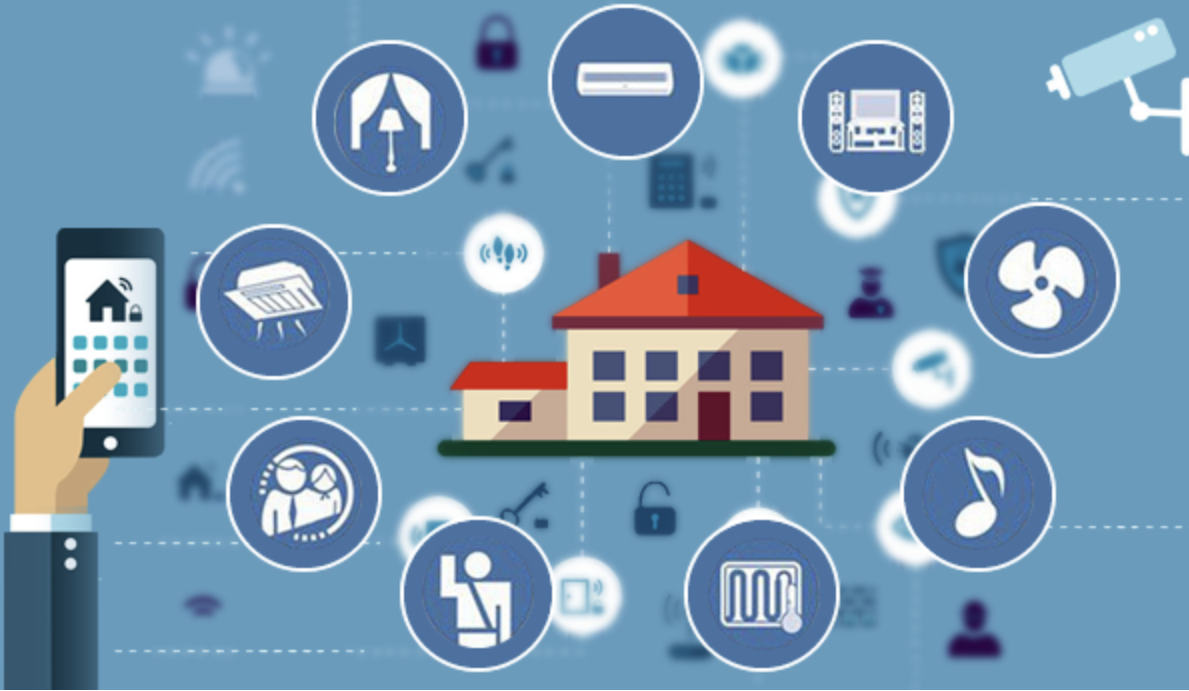
Ngoài ra, IoT còn là giải pháp hỗ trợ nhà thông minh, mang đến sự tiện lợi và dễ dàng cho người dùng trên khắp thế giới.
Các thiết bị nhà thông minh được ứng dụng công nghệ Internet vạn vật sẽ giúp điều khiển đồ vật trong nhà bằng giọng nói hoặc một ứng dụng trên thiết bị điều khiển thông minh như điện thoại di động, máy tính bảng, máy tính,..
Hay nói cách khác, nhà thông minh sẽ biết khi nào nên thực hiện một số hành động nhất định và tự động thực hiện chúng và bạn hoàn toàn không cần phải bận tâm đến chúng nữa.
Hiện nay, trên thế giới đã xuất hiện các thiết bị đeo với những tính năng vô cùng thông minh như: tai nghe không dây, các loại kính, ba lô, vòng tay siêu thông minh,… và bùng nổ tại các thị trường trên toàn thế giới.
Google, Samsung, Apple là những công ty lớn có những khoản đầu tư khổng lồ cho việc tạo ra các loại đồng hồ thông minh như Apple Watch, Pixel Watch,... Các thiết bị đeo được cài đặt cảm biến và các phần mềm thu thập dữ liệu, thông tin người dùng.
Điều kiện tiên quyết cho các thiết kế này là công suất cực thấp và kích thước nhỏ gọn, có tính thẩm mỹ cao.
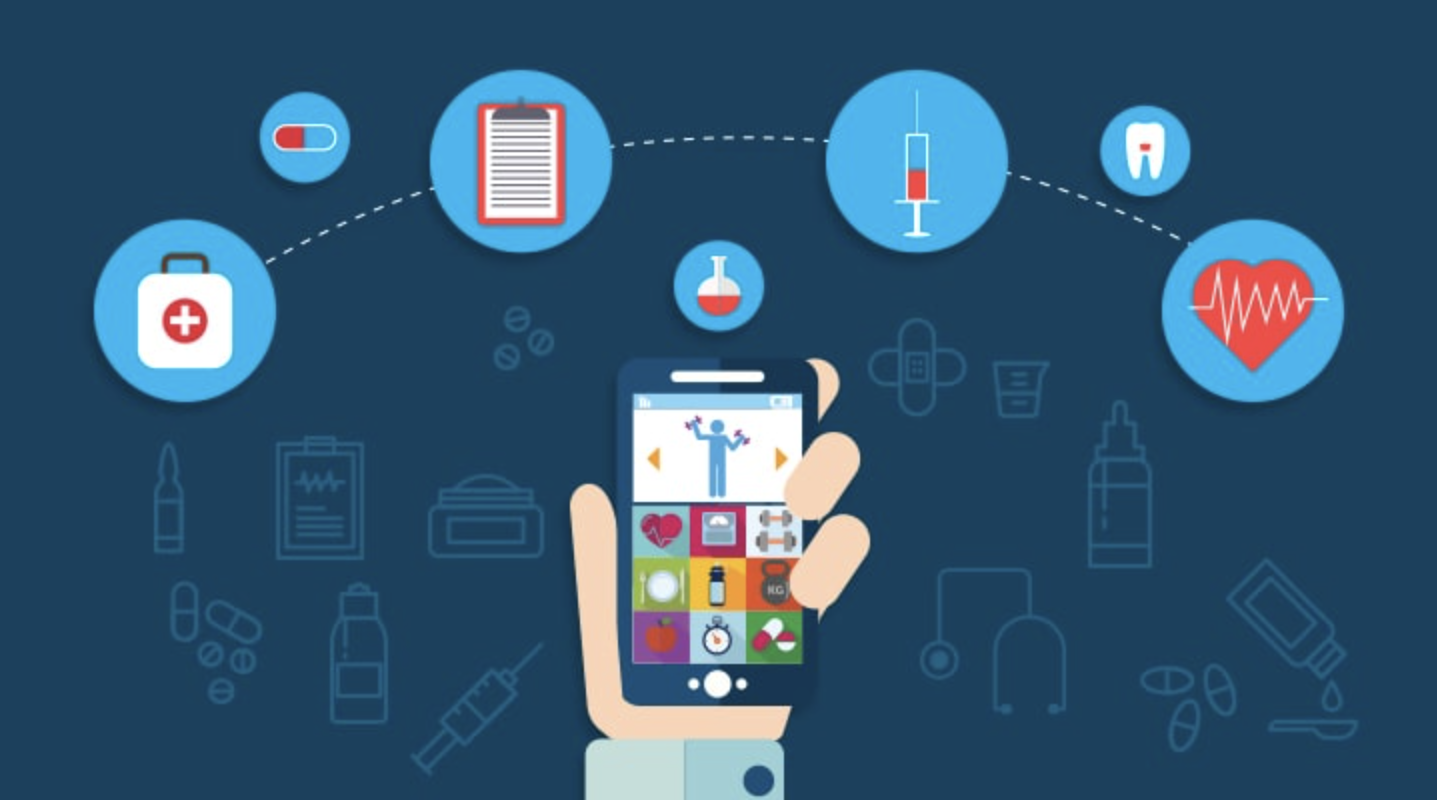
IoT còn mở ra tiềm năng tích cực trong lĩnh vực chăm sóc sức khỏe con người.
Với sự xuất hiện của IoT trong chăm sóc sức khỏe, các nhà quản lý có thể truy cập vào dữ liệu thời gian thực của bệnh nhân.
Có rất nhiều ứng dụng cho y tế bằng cách tích hợp với các thiết bị đeo được như đồng hồ Apple và các thiết bị theo dõi sức khỏe khác; các ứng dụng này có thể gửi dữ liệu thời gian thực của bệnh nhân đến người quản lý chăm sóc và người quản lý chăm sóc có thể sử dụng dữ liệu này để tạo ra và triển khai chương trình quản lý chăm sóc tốt hơn cho bệnh nhân.
IoT là công nghệ quan trọng của cuộc sống hàng ngày và nó sẽ tiếp tục phát triển với công nghệ ngày càng phát triển mạnh mẽ.