
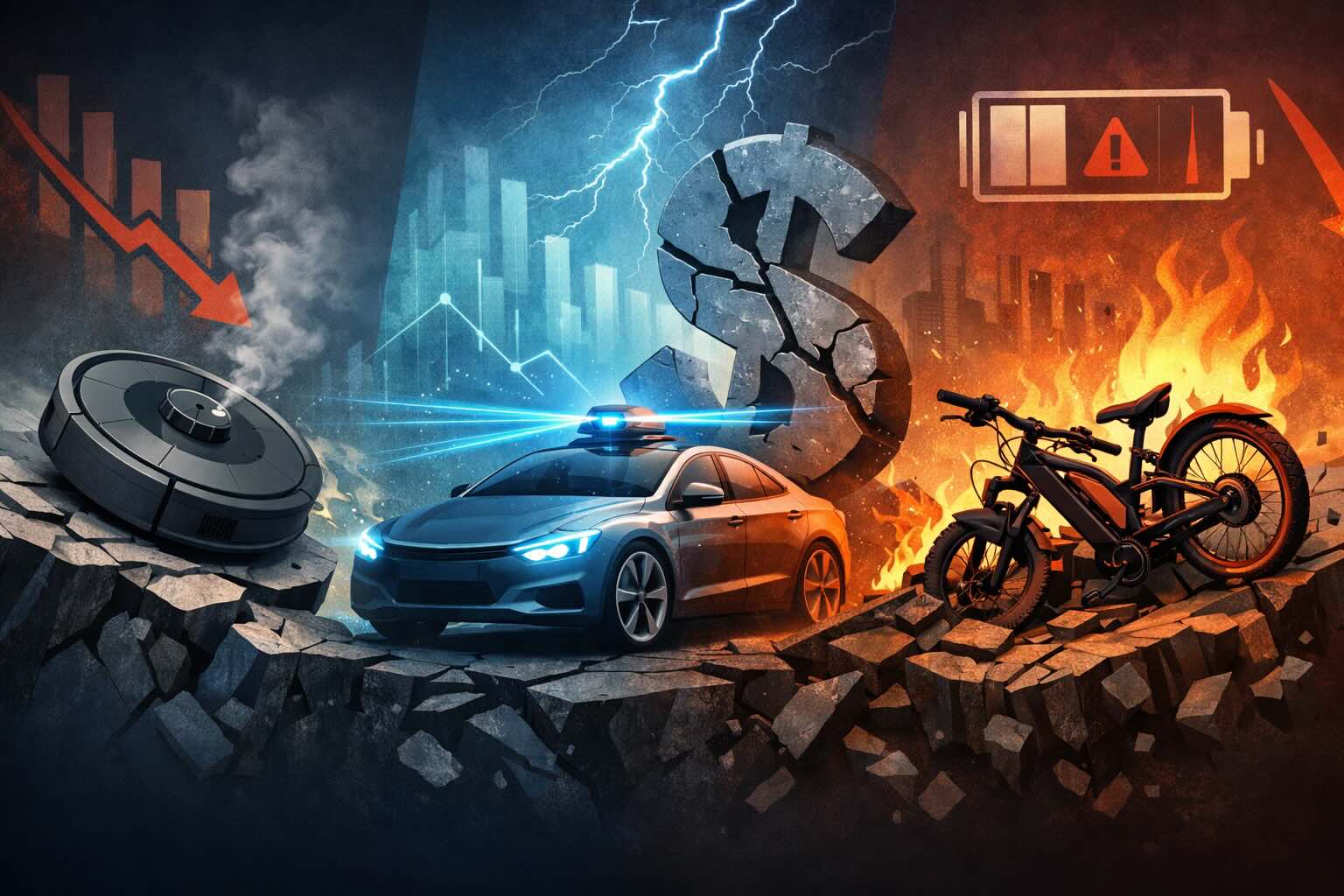
Rob i, Luminar and Rad Power Bikes all fell into a state of inactivity for only about a week.
Rad Power Bikes was once considered one of the typical electric bicycle companies in the US. This enterprise has emerged strongly before and during the pandemic, when the trend of using small personal vehicles exploded.
Rad Power Bikes' revenue used to exceed 100 million USD per year, but after a period of rapid growth, business activities began to decline. High production costs, declining purchasing power and problems related to batteries and product recall make it difficult for the company to cope.
According to the bankruptcy filing, the company's revenue has fallen sharply in just a few years, showing a long slide after a period of being considered the leader of the electric bicycle market.
Meanwhile, Luminar is a technology company that develops lidar sensors for autonomous vehicles. The company was established in the early 2010s and was once highly anticipated when the wave of autonomous vehicles exploded. Luminar has signed technology supply contracts for major automakers such as Volvo and Mercedes-Benz.
However, when the self-driving car market stagnated and could not be commercialized as expected, the business model that relied almost entirely on a core field revealed many limitations. Prolonged financial pressure forced Luminar to seek bankruptcy proceedings to restructure.
For iRobot, the reason for the collapse came from fierce competition, supply chain costs to unsuccessful resell deals to Amazon. This case is considered a common context, while Luminar and Rad Power Bikes more clearly reflect the difficulties of technology companies when market trends reverse.
Overall, the fact that all three companies went bankrupt in a short time shows an increasingly large risk for technology enterprises if they do not expand or adjust their strategies in time, especially when initial growth relies too much on a specific product or technology trend.


